What are effective ways to reduce water hardness for coffee machines?
Reducing water hardness for coffee machines involves filtration, chemical softeners, or advanced reverse osmosis.
As a passionate coffee enthusiast and long-time espresso machine owner, I know firsthand the frustration and disappointment that hard water can bring to your morning brew. You invest in premium beans and a top-notch machine, only to find scale buildup compromising performance and, more importantly, the exquisite flavors you crave. Understanding how to effectively reduce water hardness for coffee machines is not just about machine longevity; it's about unlocking the true potential of every coffee bean and ensuring your daily cup is consistently exceptional. Let's explore the best strategies to conquer hard water and elevate your coffee experience.
Understanding Water Hardness and Its Impact on Your Coffee
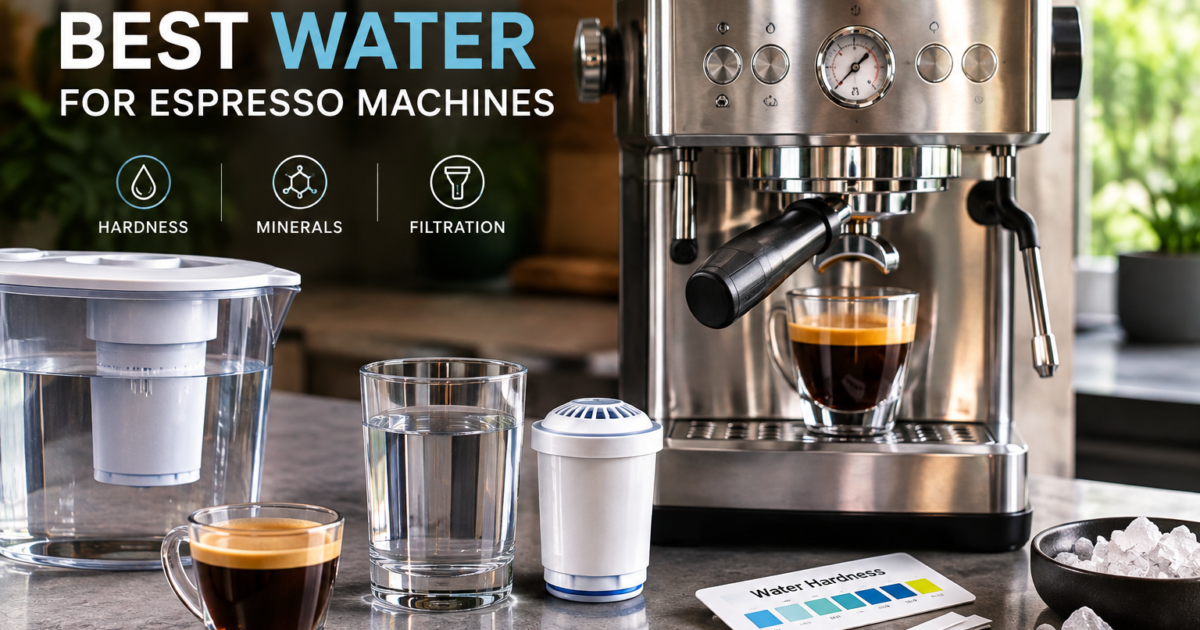
Water hardness refers to the concentration of dissolved minerals, primarily calcium and magnesium, in your water supply. When these minerals are present in high amounts, we classify the water as "hard." While often considered harmless for drinking, hard water poses significant challenges for coffee machines and the quality of your coffee. The invisible mineral content in your tap water directly influences both your equipment's lifespan and the taste profile of your brewed coffee.
The most noticeable impact of hard water on coffee machines is the formation of limescale, a crusty, white deposit that builds up inside boilers, heating elements, and pipes. This scale acts as an insulator, making your machine work harder to heat water, thus increasing energy consumption. Over time, it can clog internal components, reduce water flow, and even lead to machine breakdowns. From a maintenance perspective, dealing with stubborn scale buildup is a regular chore if you don't actively reduce water hardness for coffee machines.
Beyond machine health, water hardness critically affects coffee flavor. Calcium and magnesium ions interact with the compounds in coffee, potentially masking desirable flavors or extracting undesirable ones. Hard water often leads to a dull, flat, or even bitter taste, preventing the nuanced aromatics and vibrant acidity from shining through. My personal experience has shown that when you reduce water hardness for coffee machines, the difference in taste is profound, revealing the true character of your coffee beans.
Testing Your Water Hardness
Before you can effectively reduce water hardness for coffee machines, you need to understand your starting point. Knowing your water's specific hardness level is crucial for choosing the right treatment method. Without an accurate measurement, you might over-treat or under-treat your water, leading to less-than-optimal results for both your machine and your coffee.
There are several reliable ways to test your water hardness. One common and accessible method is using water hardness test strips. These strips are inexpensive and provide a quick, visual indication of your water's mineral content. You simply dip the strip into a glass of tap water, wait a specified time, and compare the color change to a chart. While not laboratory precise, they offer a good general idea, often classifying water as soft, moderately hard, hard, or very hard.
For a more precise measurement, consider a liquid test kit. These kits involve adding drops of a reagent to a water sample until a color change occurs, allowing you to calculate the hardness in parts per million (ppm) or grains per gallon (gpg). Many professional baristas and coffee enthusiasts rely on these kits for a more accurate reading. Knowing the exact ppm helps you calibrate your water treatment strategy precisely. You can also check your local municipal water report, which often provides general water quality data for your area, though it might not reflect any specific variations in your home.
Effective Methods to Reduce Water Hardness for Coffee Machines
Once you understand your water's hardness, you can implement strategies to reduce water hardness for coffee machines. The goal is to minimize calcium and magnesium without completely stripping the water of all minerals, as some mineral content is beneficial for coffee extraction and flavor. Finding this balance is key to achieving excellent coffee and maintaining your equipment.
Mechanical Filtration Solutions
Mechanical filtration, often the first line of defense, physically removes sediment and can reduce some aspects of water hardness. While not a direct water softener, it plays a vital role in preparing water for further treatment.
- Activated Carbon Filters: These filters are excellent at removing chlorine, odors, and some organic compounds that can negatively impact coffee flavor. While they don't directly reduce mineral hardness, they improve the taste of the water, which in turn enhances the taste of your coffee. Using an activated carbon filter can make other hardness reduction methods more effective by starting with cleaner water.
- Sediment Filters: These are designed to remove larger particles like sand, rust, and silt from your water supply. While they don't tackle dissolved minerals, preventing these particulates from entering your coffee machine is crucial for preventing blockages and extending the life of your equipment. They often act as a pre-filter in multi-stage filtration systems.
- Brita-style pitchers: These popular household filters typically use a combination of activated carbon and ion-exchange resin. They are convenient for small volumes, effectively reducing chlorine and moderate levels of hardness. For occasional coffee brewing, using filtered water from such a pitcher is a simple way to begin to reduce water hardness for coffee machines, offering an immediate improvement in taste and a slight reduction in scale.
Chemical Treatment Options
Chemical treatments directly address the dissolved minerals responsible for water hardness. These methods usually involve altering the chemical composition of the water.
- Ion-Exchange Resins: This is one of the most common and effective ways to reduce water hardness for coffee machines. Ion-exchange filters contain resin beads that swap "hard" ions (calcium and magnesium) for "soft" ions (like sodium or hydrogen). This process significantly reduces the mineral content that causes scale. Many espresso machines come with built-in or optional water tanks that can house small ion-exchange filters.
- Polyphosphate Filters: These filters introduce a small amount of polyphosphate into the water, which acts as a "sequestering agent." Instead of removing the hardness minerals, polyphosphates bind to them, preventing them from forming scale deposits. They are particularly effective in preventing scale buildup in heating elements and pipes, though they don't technically reduce the overall hardness reading.
- Softening Cartridges (often containing ion-exchange resin): These cartridges are specifically designed for coffee machines and are commonly found in commercial setups or plumbed-in home systems. They are typically installed in the water line leading to the machine, continuously working to reduce water hardness for coffee machines. The cartridges need to be replaced periodically based on water usage and initial hardness levels.
Advanced Water Treatment Systems
For those serious about water quality and machine longevity, advanced systems offer comprehensive solutions to reduce water hardness for coffee machines.
- Reverse Osmosis (RO) Systems: RO is a highly effective method that forces water through a semi-permeable membrane, removing nearly all dissolved solids, including hardness minerals. The result is extremely pure water. While excellent for preventing scale, purely RO water can be too stripped of minerals for optimal coffee extraction, potentially leading to a flat taste. My personal experience with RO systems is that they need remineralization to achieve the ideal mineral balance for coffee, often using a remineralization cartridge post-RO. This combination offers the ultimate control over your water profile.
- Water Distillers: Similar to RO, distillation purifies water by boiling it and condensing the steam, leaving minerals and contaminants behind. This also results in highly pure water that requires remineralization for coffee. Distillers are effective but can be slow and energy-intensive.
- Whole-House Water Softeners: For a comprehensive solution, a whole-house water softener treats all the water entering your home. These systems typically use salt to regenerate their ion-exchange resin, effectively reducing hardness throughout your entire plumbing system. While effective, the sodium content added can be a consideration for drinking water, and some coffee enthusiasts prefer a dedicated system that offers more precise control over the water going into their coffee machine.
Choosing the Right Solution for Your Setup
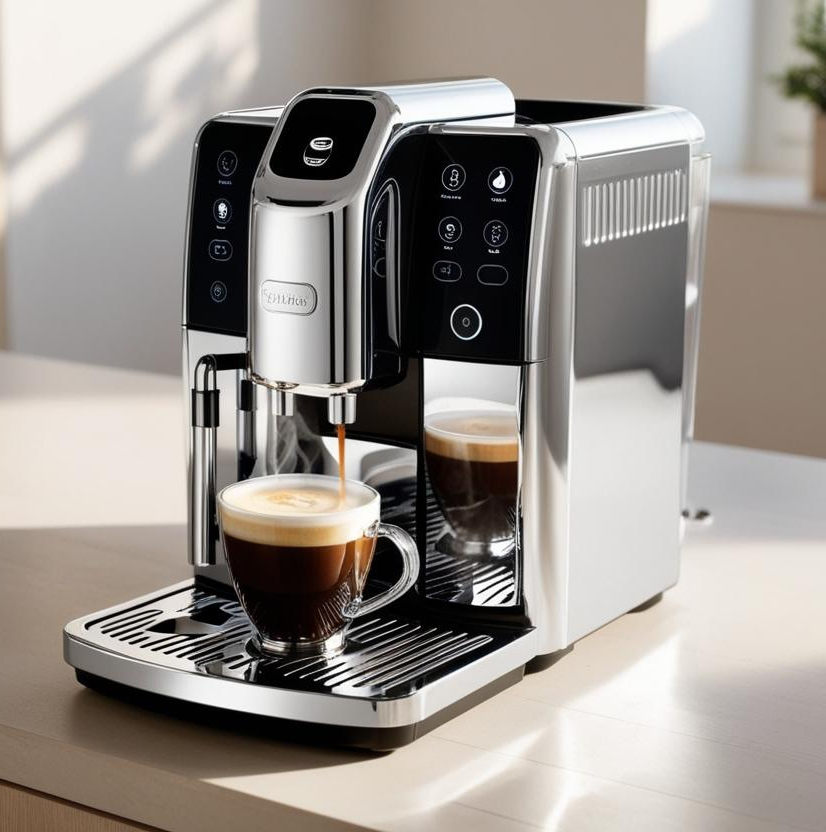
Deciding on the best method to reduce water hardness for coffee machines depends on several factors: your water's specific hardness, your budget, convenience preferences, and the type of coffee machine you own. There's no one-size-fits-all answer, so it's essential to weigh the pros and cons of each approach.
For those with moderately hard water and a pour-over or single-serve coffee maker, a simple Brita-style pitcher or an in-tank filter might be sufficient. These are cost-effective, require minimal installation, and offer a noticeable improvement. If you have an espresso machine, however, you'll likely want a more robust solution to protect your investment. In-tank ion-exchange filters are often a good starting point for semi-automatic espresso machines, making it easier to reduce water hardness for coffee machines directly at the source.
For plumbed-in machines or higher-end setups, a dedicated inline water filter system featuring ion-exchange resin or a multi-stage system with activated carbon and sediment filtration is highly recommended. These provide consistent water quality and require less frequent intervention. If your water is extremely hard, or if you're a true connoisseur seeking ultimate control over your water's mineral profile, a reverse osmosis system with a remineralization stage offers unparalleled precision. While a greater upfront investment, the benefits for both machine longevity and coffee flavor are significant. I've personally found that tailoring the solution to the water source and machine type yields the best results.
Maintaining Your System and Coffee Machine
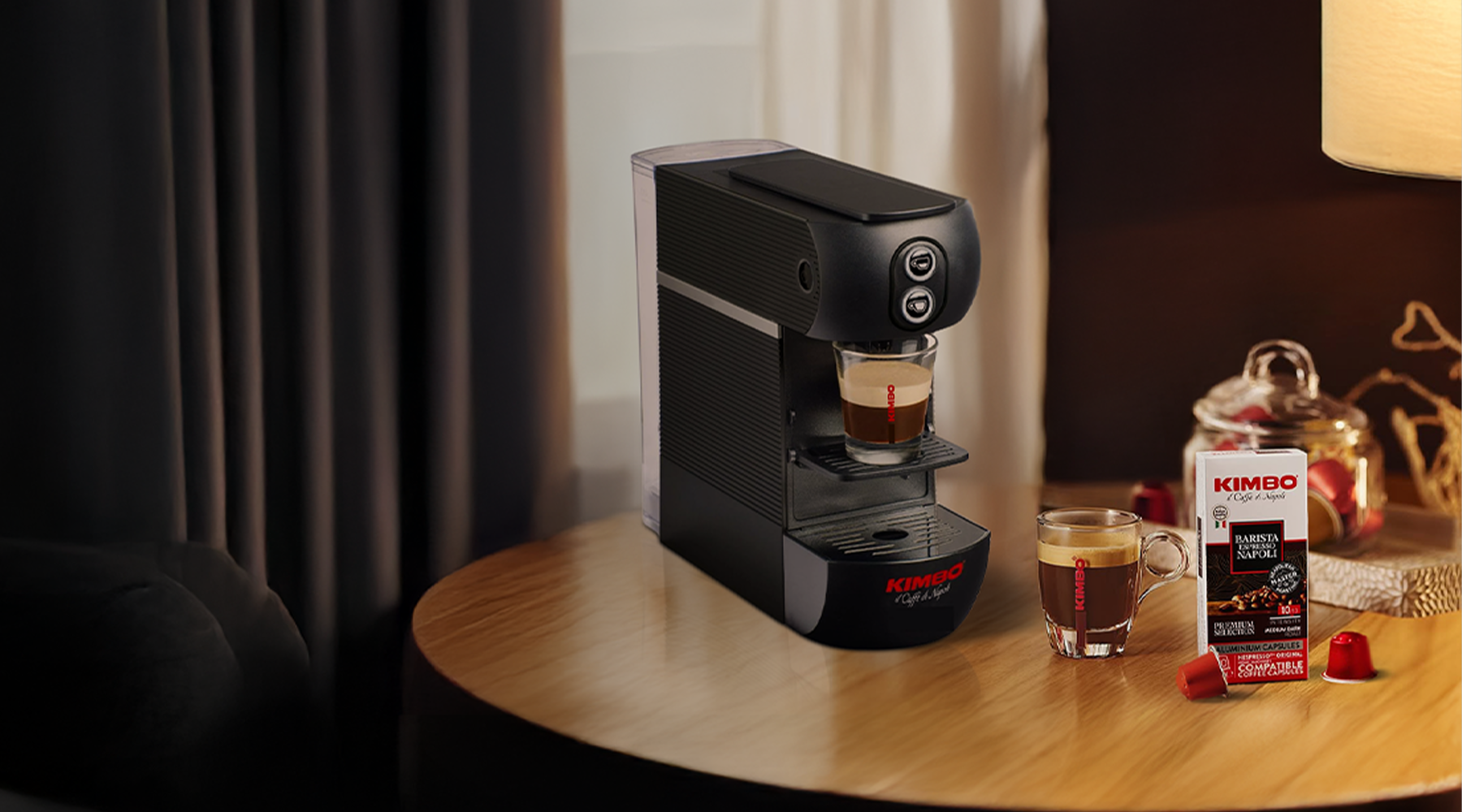
Implementing a system to reduce water hardness for coffee machines is only half the battle; consistent maintenance is crucial for its effectiveness and the longevity of your equipment. Neglecting maintenance can quickly negate the benefits of your water treatment efforts, leading to renewed scale buildup and compromised coffee quality.
Filter cartridges, whether in-tank, inline, or part of an RO system, have a finite lifespan. They become saturated with the minerals they remove and eventually lose their effectiveness. It's vital to follow the manufacturer's recommendations for replacement intervals, which are usually based on water volume processed or a time frame (e.g., every 2-3 months). My experience has taught me that stretching filter life to save a few dollars invariably leads to increased descaling frequency and a noticeable decline in coffee taste. Regularly replacing filters is a small price to pay for consistent performance and to properly reduce water hardness for coffee machines.
Even with the best water softening methods, some minimal scale can still accumulate over time, or you might occasionally use unfiltered water. Therefore, regular descaling of your coffee machine remains an important part of your maintenance routine. How often you descale will depend on your water hardness and the effectiveness of your softening solution. Descaling solutions, typically citric acid-based, dissolve scale buildup within the machine. Always use a descaling product recommended by your machine's manufacturer and follow the instructions carefully to avoid damage. This dual approach – proactive water softening and reactive descaling – ensures your machine stays in top condition.

Frequently Asked Questions
What is the ideal water hardness level for coffee?
The Specialty Coffee Association (SCA) recommends a total hardness of 50-175 ppm (3-10 grains per gallon) for optimal coffee brewing, as this range supports good extraction without excessive scale buildup.
Can boiling water reduce its hardness?
Boiling water can reduce "temporary hardness" (calcium bicarbonate) by converting it to insoluble calcium carbonate, but it does not remove "permanent hardness" (sulfates and chlorides), and the precipitated scale still needs to be cleaned from the kettle.
How often should I descale my coffee machine if I use filtered water?
Even with filtered water, descaling is still recommended, though less frequently. The exact interval depends on your water's initial hardness and the filter's effectiveness, but typically every 3-6 months is a good guideline.
Is distilled water good for coffee machines?
Distilled water is too pure, lacking the minerals necessary for proper coffee extraction, which can result in a flat-tasting brew. It also lacks conductivity for some machine sensors.
Do water filters make coffee taste better?
Yes, water filters significantly improve coffee taste by removing impurities like chlorine and sediment, and by reducing hardness minerals that can interfere with the extraction process.
Conclusion
Taking proactive steps to reduce water hardness for coffee machines is one of the most impactful decisions you can make for both your equipment and your daily brew. From simple pitcher filters to advanced reverse osmosis systems, the right solution exists to transform your water from a potential problem into a key ingredient for exceptional coffee. By understanding your water's unique profile, choosing an appropriate treatment method, and committing to regular maintenance, you're not just preventing scale; you're actively enhancing the flavor, aroma, and overall experience of every cup. Don't let hard water compromise your coffee journey. Explore the options, make an informed choice, and taste the difference. For more insights on coffee machine care and brewing tips, consider subscribing to our newsletter or leaving a comment with your favorite water treatment hack!