
How to Choose a Coffee Machine: Brewing Method Guide
Choosing a coffee machine hinges on matching its brewing method to your desired coffee type and personal routine.
Navigating the world of coffee machines can feel overwhelming with countless options, but by understanding the core brewing methods like espresso, drip, and Turkish coffee, you can confidently select the perfect coffee machine that brews your ideal cup. As someone who's spent years experimenting with various brewing setups – from meticulous pour-overs to the sheer convenience of automatic espresso machines – I'm here to share the insights you need to make an informed decision and truly elevate your home coffee experience. Let's explore how each brewing method impacts the final taste and what kind of coffee machine will best suit your preferences.
Understanding Your Coffee Preferences: The First Step to Choosing a Coffee Machine
Before diving into the specifics of different coffee machines, it's crucial to understand what kind of coffee drinker you are. Do you crave a strong, concentrated shot to kickstart your day, or do you prefer a milder, larger cup that you can sip on? Maybe you love milk-based drinks like lattes and cappuccinos, or perhaps a unique, traditional brew is what excites your palate. Your daily routine, how much effort you're willing to put in, and even your kitchen space will all play a role in finding your ideal coffee machine. Pinpointing your personal coffee philosophy is the compass that guides your machine choice.
Drip Coffee Machines: For the Everyday Brew
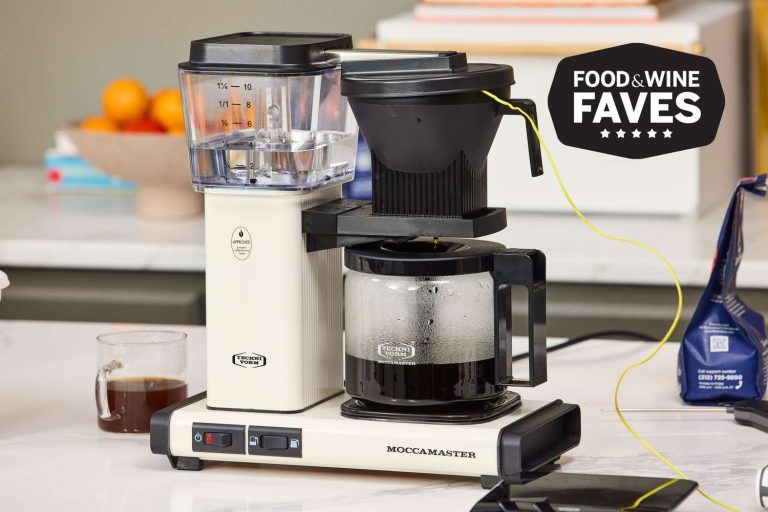
The drip coffee machine is a ubiquitous sight in American kitchens, and for good reason. It’s the workhorse for many, offering simplicity and consistency for your daily caffeine fix.
What is Drip Coffee?
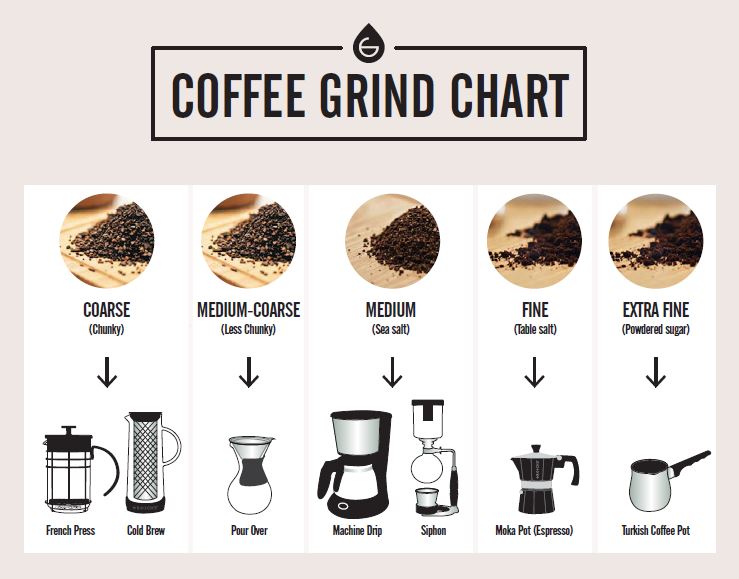
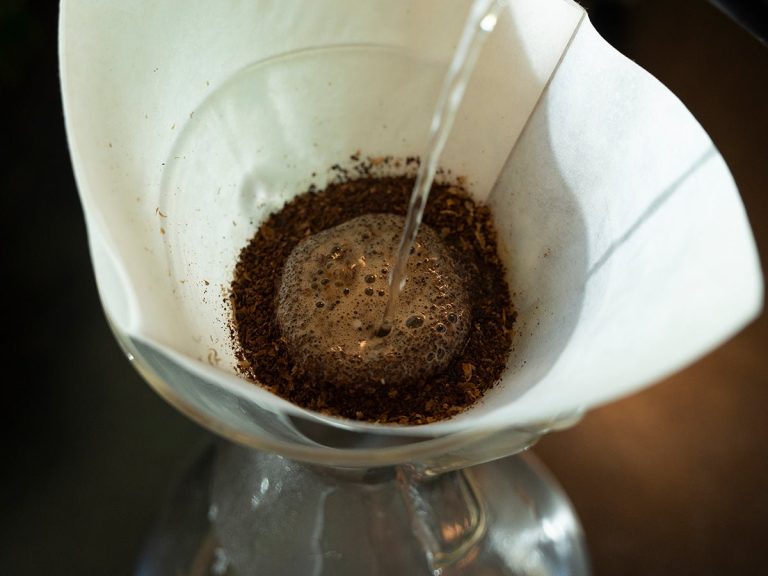
Drip coffee is made by pouring hot water over ground coffee beans, typically held in a filter. Gravity then pulls the water through the grounds, extracting flavor as it passes, and the brewed coffee drips into a carafe below. This method is known for producing a clean, balanced cup of coffee, and it’s what most people associate with a standard "cup of joe."
Pros of Drip Coffee Machines
- Ease of Use: Simply add water and ground coffee, press a button, and wait.
- Batch Brewing: Most drip coffee machines can brew multiple cups at once, perfect for households or entertaining.
- Cost-Effective: Generally, drip coffee makers are among the most affordable coffee machine options.
- Low Maintenance: Cleaning usually involves rinsing the filter basket and carafe.
Cons of Drip Coffee Machines
- Less Control: You have limited control over brewing parameters like water temperature or flow rate, which can impact flavor.
- Can Be Bland: Without proper technique or good quality beans, drip coffee can sometimes taste a bit diluted or flat.
- Temperature Fluctuation: Some cheaper models struggle to maintain optimal brewing temperatures throughout the cycle.
Who is a Drip Coffee Machine Best For?
A drip coffee machine is ideal for individuals or families who consume coffee regularly, value convenience, and prefer a straightforward, classic black coffee or one with a splash of milk. If you need several cups ready with minimal fuss each morning, this is likely your best bet. From my own experience, a reliable drip coffee maker was my go-to during college; it was perfect for quickly brewing a pot for late-night study sessions or sharing with roommates without any complex steps.
Espresso Machines: Crafting the Perfect Shot
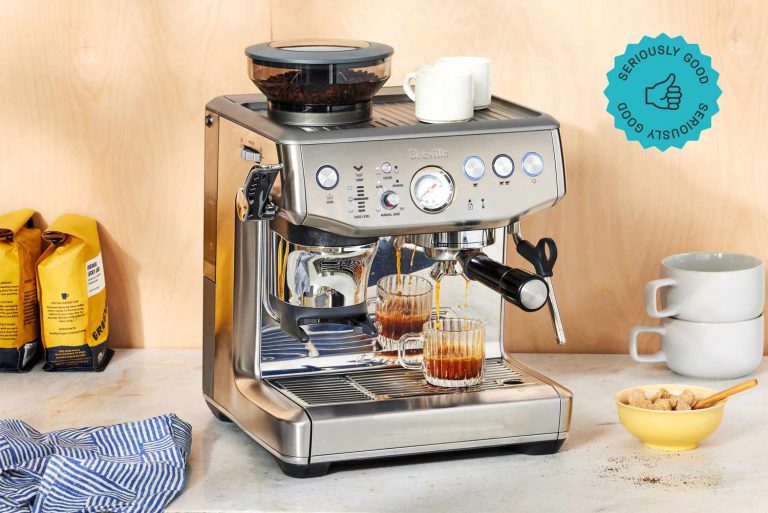
For those who dream of rich, concentrated coffee shots and velvety milk drinks, an espresso machine is the key to unlocking a world of nuanced flavors. This coffee machine category is where precision meets passion.
What is Espresso?
Espresso is a concentrated coffee beverage made by forcing nearly boiling water under high pressure through finely ground coffee beans. This process extracts a strong, aromatic shot with a distinctive layer of reddish-brown foam on top, known as crema. Espresso is the foundation for popular drinks like lattes, cappuccinos, and americanos.
Types of Espresso Machines
The world of espresso machines offers a spectrum of automation and control, from hands-on artistry to push-button convenience.
Manual/Lever Espresso Machines
These traditional coffee machines require significant skill, as the user manually pulls a lever to force water through the grounds. They offer unparalleled control and a romantic, old-world brewing experience. They're often seen as a connoisseur's choice.
Semi-Automatic Espresso Machines
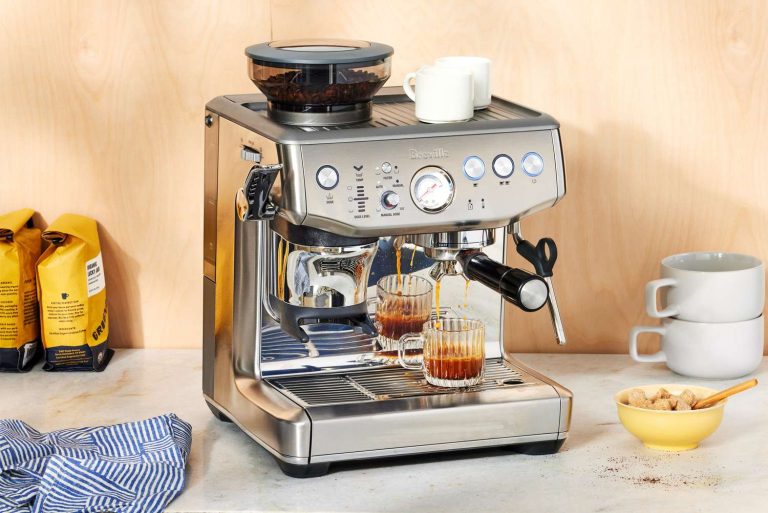
Semi-automatic machines are popular for home baristas, requiring you to grind your beans, tamp them into a portafilter, and then press a button to start and stop the shot. They offer a great balance of control over variables like grind size and dose, while still automating the water pump. It's a fantastic coffee machine for learning the craft.
Automatic Espresso Machines
Also known as "pump-and-go" machines, these coffee machines automate the shot timing. You still grind and tamp, but the machine will pull a pre-programmed volume of water through the grounds. They offer more consistency once the settings are dialed in.
Super-Automatic Espresso Machines
The ultimate in convenience, a super-automatic coffee machine grinds the beans, tamps them, brews the espresso shot, and often steams milk all at the touch of a button. While they offer less control over individual brewing parameters, they deliver consistent results with minimal effort. They are typically the most expensive type of coffee machine in this category.
Pros of Espresso Machines
- Versatility: Allows you to make a wide range of coffee drinks, from straight espresso to lattes, cappuccinos, and macchiatos.
- Strong Flavor: Produces an intensely flavored, aromatic, and rich coffee concentrate.
- Crema: The presence of crema indicates a well-extracted shot and adds to the sensory experience.
- Control (for manual/semi-auto): Offers the ability to fine-tune your brew for optimal flavor.
Cons of Espresso Machines
- Higher Cost: Espresso machines, especially semi-automatic and super-automatic models, can be a significant investment.
- Learning Curve: Mastering espresso can take time and practice, particularly with manual or semi-automatic coffee machines.
- Maintenance: Regular cleaning, descaling, and backflushing are essential for optimal performance and longevity.
- Specific Grinder Needed: A high-quality burr grinder capable of a very fine, consistent grind is crucial and often purchased separately.
Who is an Espresso Machine Best For?
An espresso machine is perfect for coffee enthusiasts who love robust, concentrated flavors, enjoy milk-based drinks, and are willing to invest time (and money) into perfecting their brew. For me, upgrading to a semi-automatic espresso machine felt like unlocking a new level of coffee appreciation; the daily ritual of grinding, tamping, and pulling a shot became a meditative start to my day, and the ability to craft lattes for friends was incredibly rewarding.

Turkish Coffee Machines: A Centuries-Old Tradition
If you're looking for a profoundly rich, unique, and unfiltered coffee experience, Turkish coffee and its specialized coffee machine might be for you. This ancient brewing method produces an incredibly strong cup with a distinctive character.
What is Turkish Coffee?
Turkish coffee is made by boiling extremely finely ground coffee (almost like flour) with water and often sugar in a special pot called a cezve (or ibrik). The coffee is unfiltered, resulting in a thick, dense beverage with a layer of foam on top and sediment at the bottom. It's known for its intense flavor and full body.
Traditional Turkish Coffee Brewing (Cezve)
The classic method involves a copper or brass cezve heated over a stovetop. The coffee, water, and sugar are slowly brought to a boil, creating a rich foam. This manual process is an art form, requiring attention to detail to achieve the perfect texture and foam.
Electric Turkish Coffee Machines
Modern electric Turkish coffee machines automate the process, heating the water and coffee mixture to the right temperature and often stopping automatically when the foam rises. These coffee machines offer convenience and consistency for this traditional brew, making it more accessible for everyday use.
Pros of Turkish Coffee Machines
- Unique Strong Flavor: Delivers an exceptionally rich, bold, and aromatic coffee experience unlike any other.
- Rich Texture: The unfiltered nature results in a thick, velvety mouthfeel.
- Cultural Experience: Brewing Turkish coffee is a ritual that connects you to centuries of tradition.
- Compact: Cezves and electric Turkish coffee makers are typically small and don't take up much counter space.
Cons of Turkish Coffee Machines
- Very Specific Grind: Requires a specialty grinder capable of producing an incredibly fine grind, much finer than for espresso.
- Unfiltered Sediment: The presence of coffee grounds at the bottom of the cup isn't for everyone.
- Not for Everyone: Its intensity and unique preparation method might not appeal to all coffee drinkers.
Who is a Turkish Coffee Machine Best For?
A Turkish coffee machine (or simply a cezve) is ideal for adventurous coffee drinkers who appreciate a very strong, distinctively flavored brew and are interested in exploring traditional preparation methods. My first experience with Turkish coffee was eye-opening; the intense aroma and the anticipation of waiting for the foam to rise were captivating, and the resulting coffee was a powerful, unforgettable experience. It definitely stands apart from other coffee machine preparations.

Other Popular Brewing Methods and Their Machines
Beyond the main categories, several other fantastic brewing methods exist, each with a dedicated coffee machine or apparatus designed to extract unique flavors.
Pour Over Coffee Makers
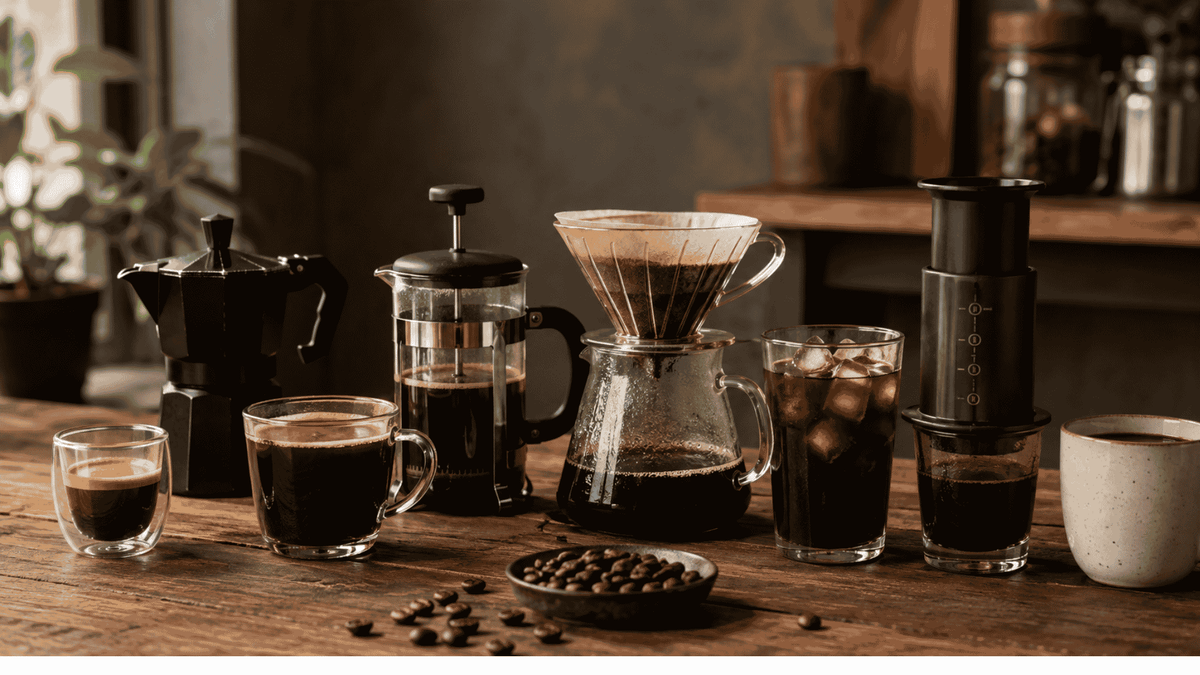
Think of conical drippers like the Hario V60 or the elegant Chemex. These manual coffee makers involve slowly pouring hot water over a bed of coffee grounds in a specific pattern. They offer immense control over the brewing process and yield a remarkably clean, bright, and nuanced cup, highlighting the delicate flavors of specialty beans. This method appeals to those who enjoy a mindful, ritualistic approach to their coffee.
French Press Coffee Makers
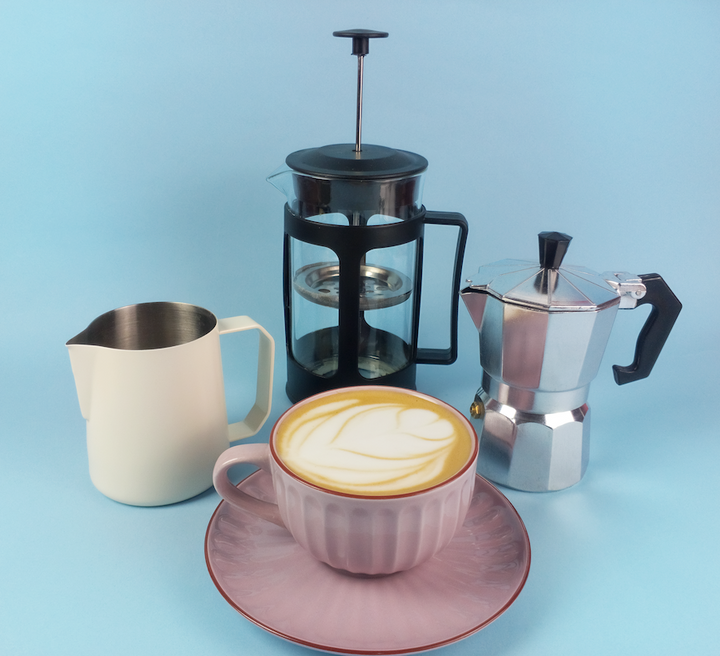
The French press is an immersion brewer that completely submerges coarsely ground coffee in hot water for several minutes before a plunger separates the grounds from the liquid. This results in a full-bodied, rich, and often silty cup of coffee, as some fine particles pass through the mesh filter. It's a simple, robust coffee machine option for a hearty brew.
Aeropress Coffee Makers
This compact and portable coffee machine is incredibly versatile, often described as a hybrid between a French press and an espresso maker. It uses total immersion and then rapid air pressure to push the coffee through a filter. It can produce everything from a concentrated shot (similar to espresso) to a clean, full-bodied cup, making it a favorite for travelers and those who love to experiment.
Cold Brew Coffee Makers
Cold brew is made by steeping coarse coffee grounds in cold water for an extended period (12-24 hours). This slow, gentle extraction results in a concentrate that is naturally low in acidity and incredibly smooth. While you can make it in almost any container, dedicated cold brew coffee makers often include a built-in filter system for easy straining. This is an excellent option if you want to make a large batch of coffee concentrate that can be diluted with water or milk for a refreshing drink, especially in warmer weather.

Key Factors to Consider When Choosing Your Coffee Machine
Choosing the right coffee machine isn't just about the brewing method; it also involves practical considerations that impact your daily life and budget.
- Budget: Coffee machine prices vary widely. Consider not only the initial cost of the machine but also potential accessories like a quality grinder (crucial for espresso and Turkish coffee) or ongoing costs for filters and descaling solutions.
- Counter Space: Some espresso machines can be quite large, while a simple pour-over cone or a small Turkish coffee machine takes up minimal room. Measure your available space before committing.
- Ease of Use & Cleaning: How much time and effort are you willing to dedicate to your coffee routine? Drip coffee machines are generally the easiest, while espresso machines require more hands-on cleaning and maintenance. Super-automatic espresso machines aim for convenience but still need regular care.
- Maintenance & Durability: Look for coffee machines with good build quality and readily available replacement parts. Regular descaling is vital for almost all coffee machines to ensure longevity and optimal performance.
- Grind Quality: This cannot be stressed enough: a good grinder is often as important as the coffee machine itself, especially for espresso, pour-over, and Turkish coffee. Pre-ground coffee is convenient but often compromises flavor.
- Features: Do you need a programmable timer for your drip coffee machine? A built-in milk frother for your espresso drinks? Consider what features genuinely enhance your experience versus what might just add to the cost. The best coffee machine is the one that fits your lifestyle.

Frequently Asked Questions
What's the best coffee machine for beginners?
For beginners, a drip coffee machine is often the easiest to use, offering convenience and consistent results with minimal effort. A French press is also a great entry point for those wanting a more hands-on experience without too much complexity.
Can I use pre-ground coffee in an espresso machine?
While you technically can, using pre-ground coffee in an espresso machine is generally not recommended as it's often too coarse and loses freshness quickly, leading to poor extraction and weak, unsatisfying shots. A good burr grinder is essential for optimal espresso.
How often should I clean my coffee machine?
Daily rinsing of removable parts (like portafilters, drip trays, carafes) is ideal, with a deeper clean (like descaling) recommended every 1-3 months depending on usage and water hardness. Regular cleaning prevents mineral buildup and ensures your coffee machine performs its best.
What's the difference between automatic and super-automatic espresso machines?
An automatic espresso machine automates the shot timing but still requires you to grind and tamp the coffee. A super-automatic espresso machine handles grinding, tamping, and brewing entirely at the touch of a button, often including automatic milk frothing.
Is Turkish coffee stronger than espresso?
Turkish coffee is generally considered much stronger and more concentrated than espresso due to its preparation method, which involves boiling extremely fine grounds directly in water without filtration. This leads to a higher dissolved solids content and a very intense flavor.
Conclusion
Choosing the right coffee machine ultimately comes down to a delightful intersection of your taste preferences, desired ritual, and practical considerations. Whether you crave the consistent simplicity of a drip coffee machine, the rich versatility of an espresso maker, or the unique tradition of a Turkish coffee setup, there's a perfect brewing method and machine waiting for you. Don't be afraid to experiment a little, understand what you truly value in your daily cup, and select a coffee machine that transforms your coffee routine into an enjoyable experience. Dive deeper into the specifics, read reviews, and consider visiting a local coffee shop or roaster to taste different methods firsthand. What coffee machine are you leaning towards? Share your thoughts and questions in the comments below!
2 Comments