
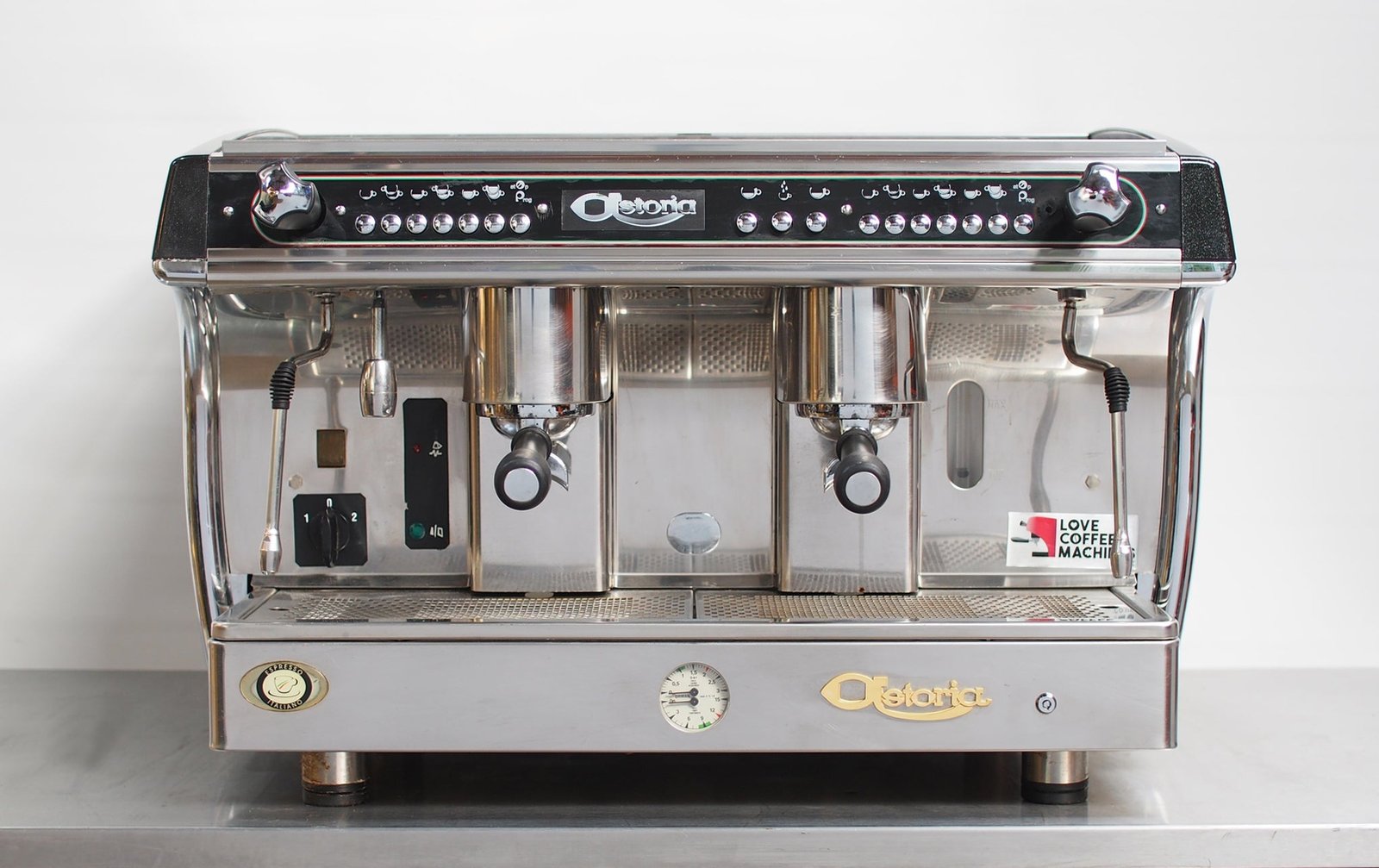
What are the common issues with the Astoria Gloria SAE 2 espresso machine?
The most common issues with the astoria gloria sae 2 espresso machine involve pressure fluctuations, scale buildup in the heat exchanger, and solenoid valve failures. These mechanical problems usually stem from hard water use or lack of routine maintenance. When these components fail, your espresso flow rate drops or the machine struggles to maintain a stable brewing temperature.
Troubleshooting common Astoria Gloria issues
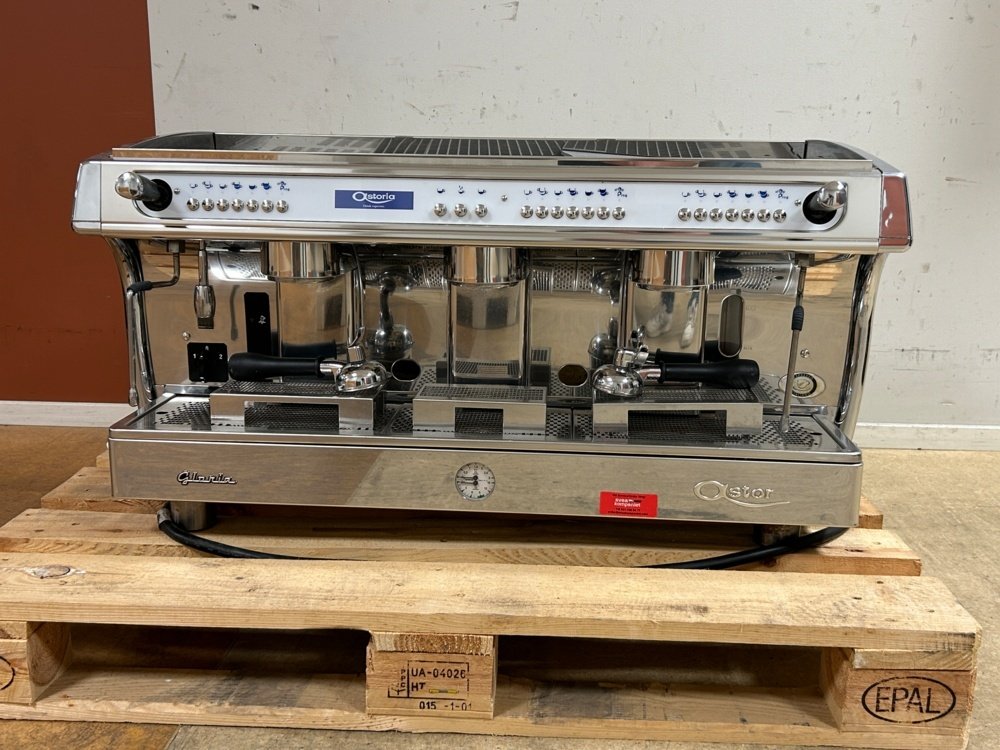
The primary reason these machines encounter technical issues is the accumulation of mineral deposits, commonly called scale. Because the machine uses a heat exchanger system, the internal copper pipes are narrow and sensitive to calcium carbonate. If you don’t use a dedicated water softening system, these minerals quickly coat the heating elements and clog the flow restrictors. This forces the pump to work harder than its design allows, which eventually leads to motor failure.
Another frequent cause is electrical debris affecting the solenoid valves. These valves control the water flow to the group heads. If they get stuck due to scale or old coffee oils, the machine might leak from the group head or fail to deliver water entirely. Finally, pressurestat drift occurs as the machine ages, causing the boiler to cycle incorrectly. If the boiler temperature varies by more than 2 degrees Celsius, you’ll notice inconsistent extraction times and sour or bitter coffee.
Descale the internal hydraulic circuit
If you notice slow flow or fluctuating pressure, you must clean the hydraulic system. This fix is for users who have basic mechanical skills and access to approved descaling agents. If you aren’t comfortable working with pressurized systems, contact a certified technician, as improper handling can damage the boiler seals.
To start, turn off the machine and allow it to cool for at least 30 minutes. Once cool, locate the water inlet and connect an external pump to circulate a food-safe descaling solution through the group heads and the hot water wand. Follow the manufacturer’s instructions and use only food-safe descaling agents approved for use in espresso machines. Run the solution through for 10 minutes, then flush the system with clean, filtered water for at least 20 minutes to remove all chemical residue. You’ll know this worked when the water flow from the group heads becomes steady and silent once more.
Replace the solenoid valve assembly
When the machine drips from the group head after the pump stops, the solenoid valve is likely failing to close. This fix requires a wrench, a screwdriver, and a replacement solenoid coil or plunger. Never attempt to open the main machine housing while it’s plugged in, as internal components remain live and pose a risk of electric shock.
First, unplug the machine and remove the top panel to expose the group head valves. Identify the faulty valve by checking for signs of corrosion or leaks around the coil housing. Unscrew the coil and replace the internal plunger if it appears stuck or worn. If the coil itself is burnt—indicated by a charred smell or a lack of magnetic pull—you must replace the entire solenoid assembly. Tighten the fittings by hand plus a quarter turn with a wrench to ensure a seal. If you have any doubt about the electrical connections, stop and call a professional, as a short circuit here can damage the machine’s control board.
Adjust the boiler pressurestat
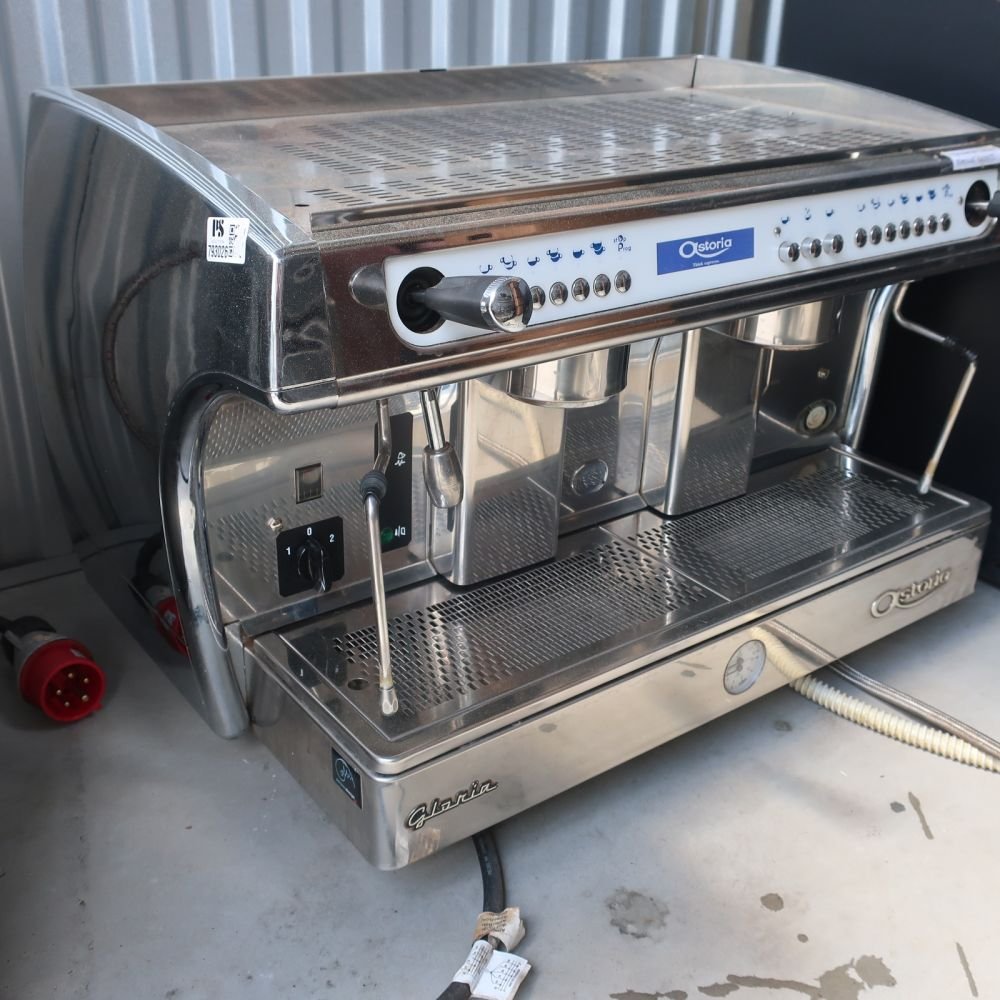
If the machine fails to reach the correct steam pressure or overheats, the pressurestat needs a small adjustment. This is for users who have a pressure gauge on the front of the machine and want to maintain the manufacturer’s recommended range, which is typically 1.0 to 1.2 bar.
To adjust, remove the top cover and locate the pressurestat, which is a small box with a screw adjustment. Rotate the screw in very small increments—no more than 1/8 of a turn at a time. Clockwise usually increases pressure, while counter-clockwise decreases it. After each adjustment, watch the pressure gauge for 15 minutes to see how the boiler stabilizes. If the pressure continues to jump rapidly or fails to rise at all, the pressurestat diaphragm is likely ruptured and requires a full replacement. This part is inexpensive, but it requires precise calibration to ensure the machine remains safe and efficient. If you can’t get the gauge to hold a steady reading, the issue may lie with the heating element or the main controller.
Common maintenance mistakes to avoid
- Using unfiltered tap water: This causes rapid scale buildup that permanently damages the boiler and solenoid valves.
- Over-tightening portafilter baskets: This puts unnecessary stress on the group head gasket and causes uneven seals.
- Leaving the machine on 24/7: This wears out the pump and heating element significantly faster than a daily cycle.
- Ignoring group head leaks: A small drip is often a sign of a failing valve that will soon cause a total system blockage.
Preventing future mechanical failures
To keep your machine running, you must balance your water quality with a consistent cleaning schedule. If you’re using hard water, your maintenance frequency must double compared to those using a reverse osmosis system.
| If you’re doing this | Do this instead | Why |
|---|---|---|
| Using tap water | Use a water softener | Prevents mineral buildup |
| Cleaning once a year | Backflush daily | Removes coffee oil residue |
| Ignoring leaks | Replace gaskets early | Protects the group head |
| High boiler pressure | Set to 1.1 bar | Extends heater lifespan |
Frequently asked questions
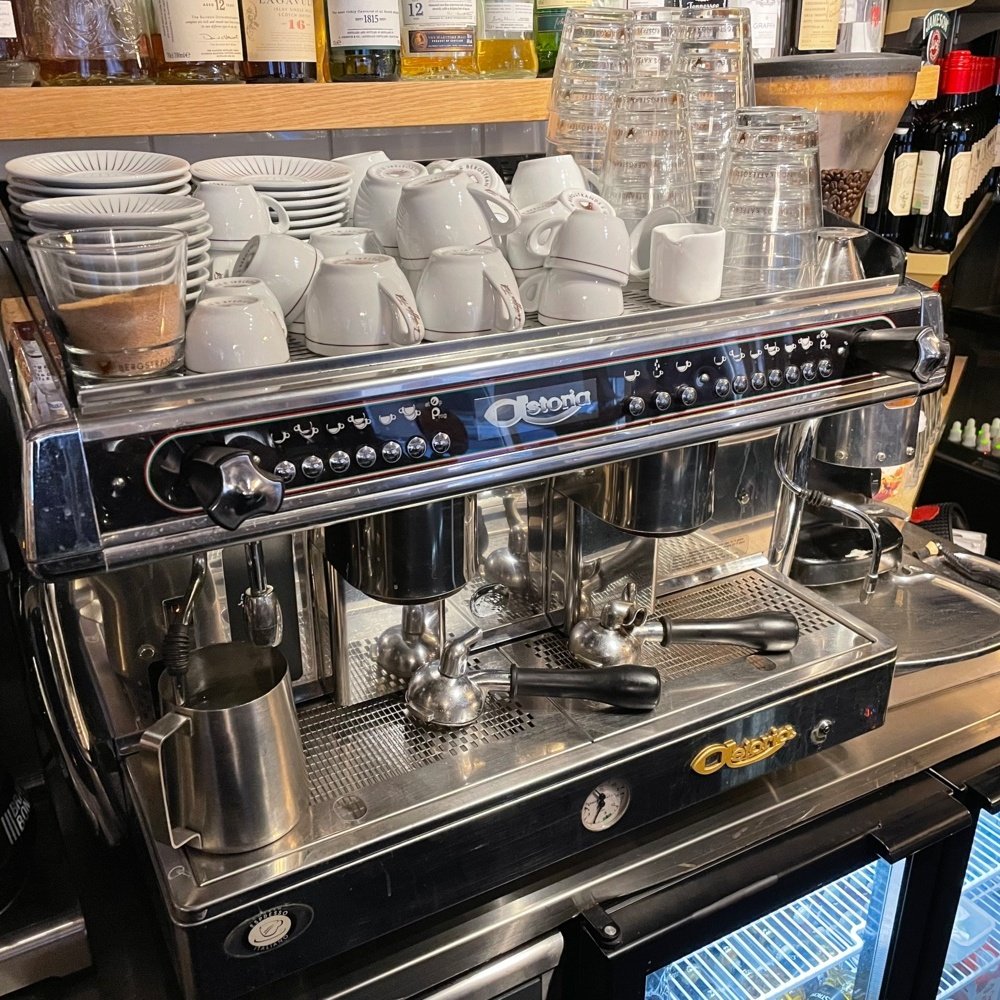
Can I fix a leaking group head myself?
Yes, you can often fix a leak by replacing the rubber group gasket, which is a simple task using a flat-head screwdriver. If the water leaks from the solenoid valve behind the group, you’ll need to replace the valve assembly. If you’re unsure, check the group head seal first, as it’s the most common cause of exterior drips.
How often should I descale the boiler?
You should descale every 6 to 12 months, depending on the hardness of your water supply. If you use a water testing kit to find that your hardness level is above 100 ppm, you must descale at the 6-month mark. Neglecting this leads to heating element failure, which is much more expensive to repair than a simple descaling.
Why is my espresso flow so slow?
Slow flow is usually caused by a clogged group head screen or a malfunctioning solenoid valve. Start by cleaning the shower screen with a stiff brush; if the flow remains slow, the internal restriction is likely caused by scale buildup. In this case, a full system descale is required to restore normal water pressure and extraction times.
Is it safe to leave the machine on all day?
No, it isn’t recommended to leave the machine on for 24 hours, as it causes unnecessary wear on the heating element and pump. Use a programmable timer to turn the machine on 30 minutes before you need it and off when you close for the day. This simple habit adds years to the life of your internal components.
What happens if the pump runs dry?
Running the pump without water will cause it to overheat and seize within a few minutes. Always ensure your water line is open and the softener isn’t bypassed before you turn the machine on. If you hear a loud, grinding noise from the pump, turn the power off immediately to prevent permanent motor damage.
How long does the pump usually last?
The pump typically lasts for a long duration under normal commercial use, assuming you maintain clean water and proper pressure settings.
Conclusion
Regular maintenance is the only way to avoid the most expensive repairs for this machine. By keeping the water clean and replacing worn seals as soon as they show signs of age, you’ll keep your equipment running consistently for many years.
One Comment