
How Water Turns Into Steam and Percolates Through Coffee Grounds
Water turns into steam and starts to percolate through coffee grounds inside a coffee machine when a heating element warms the water to create pressure that forces it upward through the grounds. This process relies on basic physics, where heat changes liquid water into gas, and the resulting expansion pushes the water into the brewing chamber. It’s like a small fountain that flows through coffee to extract flavor and caffeine into your carafe.
How Water Turns Into Steam and Percolates
The machine uses specific parts to manage the heat and the flow of water. If a part fails, the cycle stops, and you’ll notice a change in the coffee’s strength or temperature. You can check your machine’s manual to understand the materials used in your specific model to ensure they’re food-safe.
| Part or input | What it does | What you notice when it goes wrong |
|---|---|---|
| Heating element | Warms water to brewing temperature | Coffee is lukewarm or cycle stops |
| One-way valve | Prevents water from flowing backward | Weak coffee or machine leaks |
| Lift tube | Carries hot water to the basket | No water reaches the grounds |
| Shower head | Distributes water over the grounds | Uneven extraction or dry patches |
| Coffee grounds | Filters and flavors the water | Bitter, sour, or weak taste |
| Carafe | Catches the finished brew | Coffee spills or fails to drip |
How the Brewing Cycle Moves Water
The brewing process follows a consistent path from the cold reservoir to your cup. Each step happens in a sequence that takes about 5 to 10 minutes for a full pot, depending on the volume of water and the power of the heater.
- Cold water sits in the reservoir until the machine is switched on. The heating element, usually rated at 800 to 1,200 watts, begins to warm the water located at the base of the unit.
- As the water temperature rises toward the boiling point, small bubbles of steam form. This steam creates pressure inside the narrow heating tube, which pushes the hot water up the lift tube.
- The one-way valve at the bottom of the lift tube closes as the water moves up. This prevents the hot water from rushing back down into the reservoir and ensures it travels toward the coffee.
- The hot water reaches the top of the machine and flows into the shower head. This part spreads the water evenly across the surface of the coffee grounds held in the filter basket.
- Gravity pulls the water through the bed of coffee grounds. As the water passes through, it picks up oils and soluble compounds, turning from clear water into brewed coffee.
- The finished coffee drips through the filter and into the waiting carafe. The process continues until all the water has moved from the reservoir through the grounds and into the pot.
Why Pressure and Temperature Matter
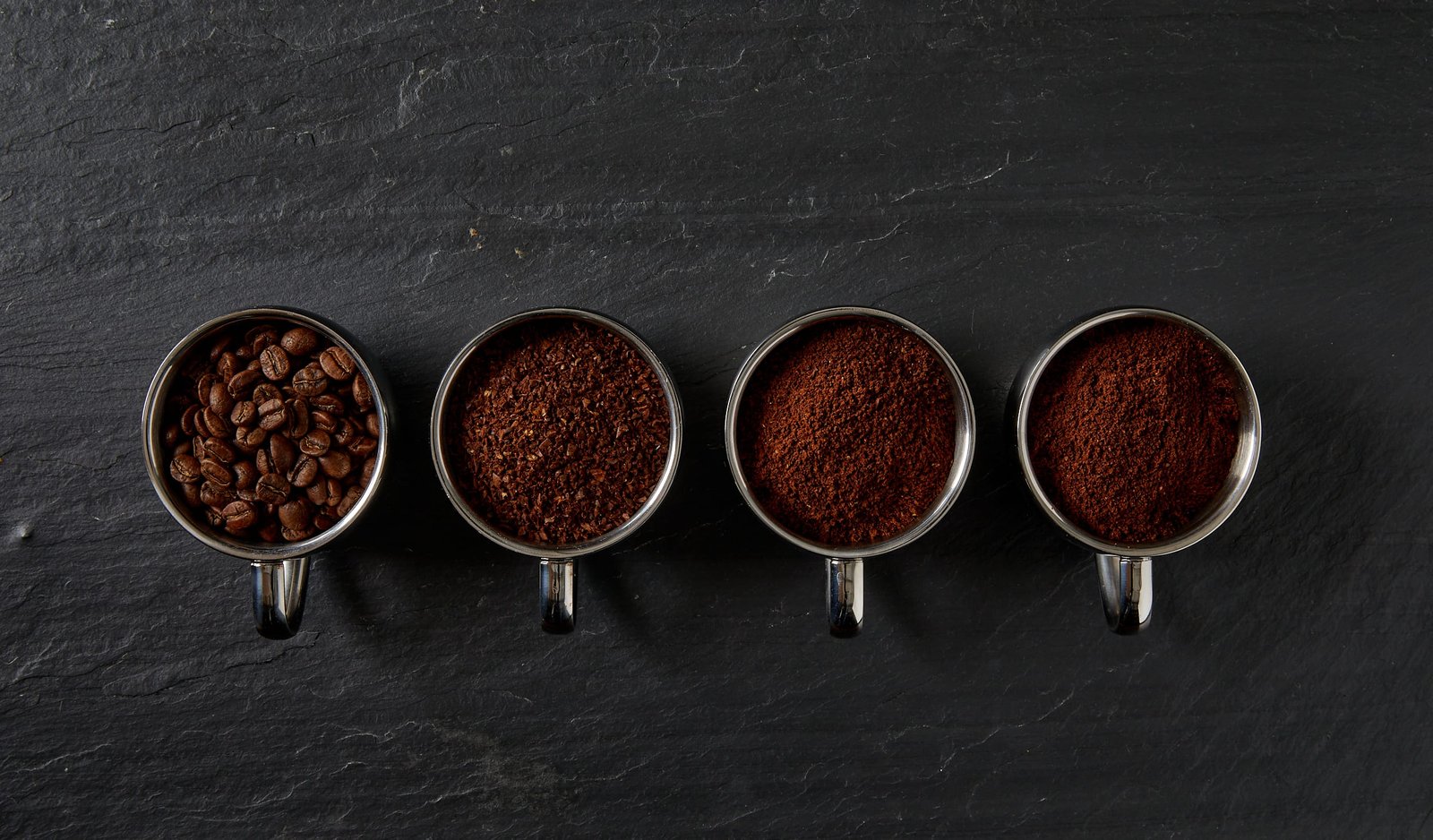
The connection between the heating mechanism and the final cup of coffee is defined by consistent temperature and flow. If the water doesn’t reach the correct temperature, the coffee will taste sour and weak because the grounds didn’t release their full flavor. If the water is too hot, the coffee may taste burnt or bitter. A common mistake is using the wrong grind size; if the grounds are too fine, the water can’t percolate through them, causing the machine to overflow. This mistake costs you a messy counter and a wasted batch of coffee.
If you have a machine with a faulty one-way valve, the water will simply heat up and retreat into the reservoir rather than rising to the grounds. This is a clear sign of a mechanical failure rather than a user error. You should also note that the speed of the percolation depends on the surface area of the grounds. Coarse grounds allow water to pass quickly, while fine grounds provide more resistance. If your machine is taking significantly longer than 10 minutes to brew a standard pot, the internal tubing may be clogged with mineral deposits. This is a common issue in areas with hard water, which requires regular descaling to maintain flow.
Controls and Design Limits
What you control
- The amount of water you add to the reservoir.
- The coarseness of the coffee grind you choose.
- The volume of coffee grounds placed in the basket.
- The frequency of cleaning and descaling the unit.
Fixed by design
- The wattage of the internal heating element.
- The diameter of the lift tube and shower head.
- The calibration of the internal thermostat.
If your machine stops working, don’t attempt to open the housing to repair the electrical components. A capacitor inside the base can hold a lethal electric charge even when the machine is unplugged from the wall. If you suspect an internal electrical or heating fault, contact the manufacturer or a certified repair technician to handle the device safely.
Habits for Better Brewing
Consistency in your routine ensures that the percolation process remains efficient. Always start with fresh, cold water, as pre-warmed water can confuse the machine’s internal sensors. If you notice the brew time increasing, descale the machine using a solution of white vinegar and water, or a commercial descaler, following the manufacturer’s instructions.
Ensure your coffee is ground to the correct consistency for your specific filter type. For flat-bottom baskets, a medium-coarse grind is ideal, while cone filters often perform better with a medium-fine grind. Never overfill the basket, as this restricts the water flow and leads to overflow. Finally, keep the shower head clean by wiping it with a damp cloth after each use to prevent oils from blocking the spray holes. These small habits protect the internal parts and ensure your coffee tastes consistent every morning.
Related guides
Frequently Asked Questions
How long does a full brewing cycle take?
A full cycle typically takes 5 to 10 minutes for a standard 12-cup machine. This time assumes a consistent power supply and a full reservoir; if you’re brewing a smaller amount, the cycle will complete faster because there’s less water to heat and move through the grounds.
Does the water actually boil inside the machine?
The water doesn’t need to reach a rolling boil to brew, but it must reach the temperature range of 195°F to 205°F for proper extraction. The heating element creates enough steam pressure to push the water upward before it reaches a full, sustained boil, which helps prevent the bitter flavors associated with boiling.
Why does my coffee taste bitter?
Bitter coffee is often caused by over-extraction, which happens when the water stays in contact with the grounds for too long. If your grounds are too fine, they create too much resistance, slowing the percolation process and pulling out harsh compounds that should remain in the filter.
Is it safe to leave water in the machine?
It isn’t recommended to leave water in the machine between uses because it can encourage the growth of bacteria or mold. You should always empty the reservoir after brewing and leave the lid open to allow the internal parts to dry out completely before the next cycle.
What happens if I use too much coffee?
Using too much coffee creates a thick bed of grounds that prevents water from flowing through easily. This causes the water to back up in the filter basket and overflow, which creates a mess and results in an uneven, watery brew because the water finds the path of least resistance.
Does the altitude affect how the machine works?
The boiling point of water decreases at higher altitudes, which can cause the machine to produce steam prematurely. If you live at a high elevation, the water may not reach the ideal temperature for brewing, leading to a weaker cup; some high-end machines offer altitude adjustments to compensate for this difference.
Conclusion
Maintaining your coffee machine with regular descaling and using the correct grind size ensures the water moves through the coffee grounds at the right speed. By paying attention to these simple factors, you can avoid common issues like slow percolation or overflow and enjoy a consistent cup of coffee every single day.

8 Comments