Espresso Machine Pressure Faults: Diagnose & Repair
For many Americans, that morning espresso isn't just a drink; it's a ritual, a moment of calm, or the energizing kickstart to a busy day. So, when your beloved espresso machine starts sputtering, delivering weak shots, or refusing to extract coffee altogether due to a pressure fault, it can throw a serious wrench in your routine.
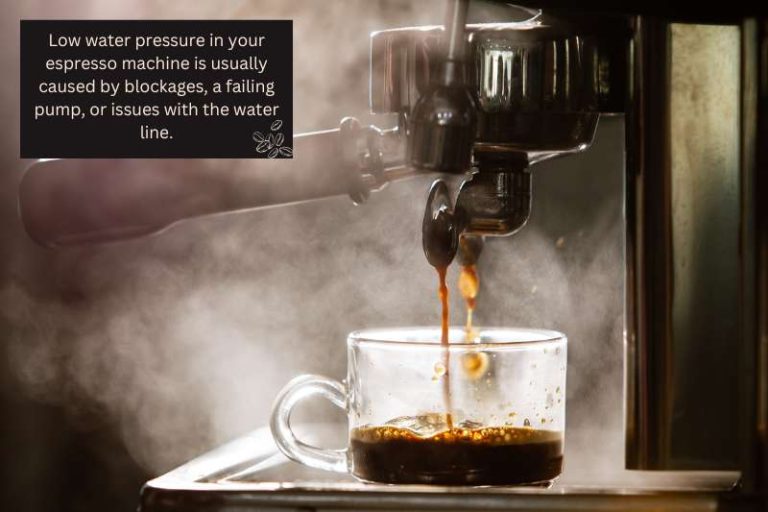
Pressure faults in espresso machines typically stem from issues that either prevent the pump from building sufficient pressure (low or no pressure) or obstruct the flow, causing the pressure to spike too high (overpressure). The most common culprits include an empty water tank, clogged group heads or portafilters, incorrect coffee grind size or tamping, scale buildup, worn-out gaskets, or a malfunctioning pump or pressure valve. The good news is that many of these problems can be diagnosed and fixed right in your home kitchen, often requiring simple cleaning, descaling, or minor part replacement.
Understanding Espresso Machine Pressure Faults
In the bustling coffee culture across the U.S., a consistent espresso shot is king. Achieving that rich crema and balanced flavor relies heavily on one critical factor: consistent pressure during extraction. When this pressure goes awry, your espresso machine is experiencing a "pressure fault."

What is a "Pressure Fault"?
An espresso machine operates by forcing hot water through finely ground coffee at high pressure, typically around 9 bars (or about 130 PSI). A "pressure fault" occurs when the machine fails to maintain this optimal pressure range during extraction. This can manifest as either:
- Low or No Pressure: The pump isn't able to generate enough force, or the water isn't meeting enough resistance, resulting in under-extraction.
- Overpressure: The water encounters too much resistance, causing the pressure to build beyond the ideal range, leading to over-extraction or flow issues.
Symptoms of a Pressure Fault
Recognizing the signs early can save you from a morning meltdown:
- Weak, watery espresso: A clear sign of low pressure or insufficient extraction.
- No coffee flow or very slow drip: Can indicate either no pressure build-up or extreme overpressure/clogging.
- Excessive sputtering or spraying from the group head: Often points to air in the system or a blockage preventing smooth flow.
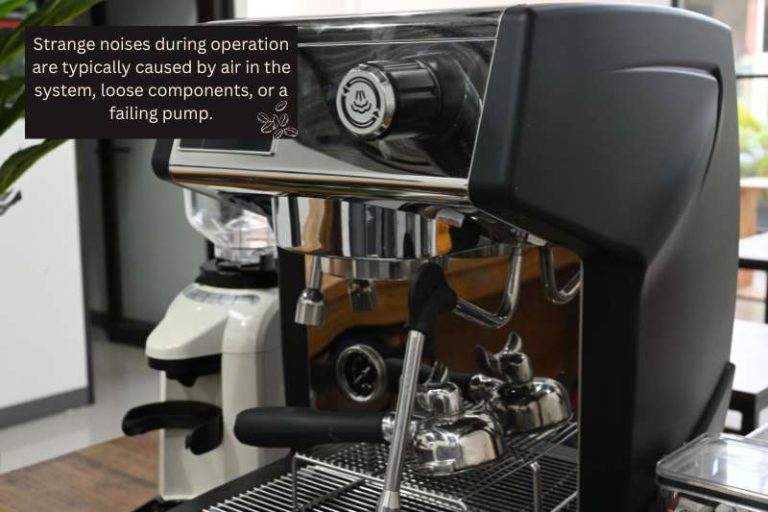
- Machine struggling or making unusual noises: The pump might be working harder than usual, or there could be airlocks.
- Gauge reading too low (below 8 bars) or too high (above 10-12 bars) during extraction: If your machine has a pressure gauge, this is a direct indicator.
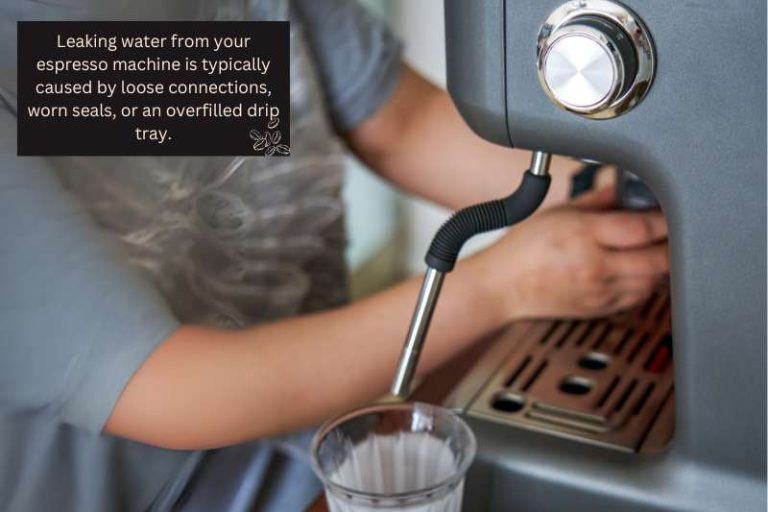
- Leaking water around the portafilter or group head: Usually a gasket issue, but can impact pressure.
- Coffee tasting bitter or burnt (overpressure): The water is spending too long in contact with the coffee under extreme force.
Why Proper Pressure Matters for Your Brew
The perfect espresso relies on a delicate balance. Optimal pressure ensures that the hot water uniformly extracts the soluble compounds from the coffee grounds. Too little pressure, and you get a thin, sour, under-extracted shot. Too much pressure, and you risk a bitter, over-extracted shot, potentially even damaging your machine over time. Maintaining correct pressure is fundamental to unlocking the full potential of your coffee beans, delivering that coveted crema, and ensuring a consistently delicious cup every time.
Common Causes of Low or No Pressure in Your Espresso Machine
Imagine this: It's 7 AM on a Monday morning in Anytown, USA. You're craving that perfect shot of espresso, but your machine is sputtering or barely dripping. Most often, low or no pressure issues can be traced back to a few key culprits that are usually fixable with a little troubleshooting.
Empty Water Tank or Airlock
One of the simplest and most overlooked causes for low or no pressure is an empty water tank or an airlock in the system. If the pump can't draw water, it can't create pressure. An airlock occurs when air gets trapped in the pump or water lines, preventing water from flowing.
How to Fix:
- Refill the Tank: First, ensure your water reservoir is full. It sounds obvious, but it's a common oversight, especially during a rush.
- Prime the Pump: If refilling doesn't immediately solve the issue, your pump might need priming to expel any trapped air.
- Manual Pump Prime: For many machines, running the hot water or steam wand for 30-60 seconds can help draw water through the pump and purge air.
- Manufacturer Instructions: Always check your machine's manual for specific priming procedures. Some models have a dedicated priming cycle.
Clogged Group Head or Portafilter
Coffee grounds, oils, and mineral deposits can accumulate over time, blocking the delicate channels of your group head (where the water dispenses) and the portafilter basket. This prevents water from flowing freely, leading to insufficient pressure during extraction.
How to Fix:
- Backflushing: If your machine has a 3-way solenoid valve (common in semi-automatic machines), backflushing is crucial. Use a blind basket (a portafilter basket with no holes) and an espresso machine detergent. Follow your machine's instructions for a proper backflush cycle, which typically involves running the pump for short bursts to force water and detergent back through the system.
- Clean the Shower Screen: Unscrew and remove the shower screen (the perforated metal disc above where the coffee goes). Soak it in hot, soapy water or a descaling solution, and scrub away any built-up coffee grounds or oils with a brush. Rinse thoroughly.
- Inspect and Clean Portafilter Basket: Ensure the tiny holes in your portafilter basket are clear. Use a stiff brush or a toothpick to dislodge any blockages. Soak it in espresso cleaner if heavily soiled.
Improper Coffee Grind Size or Tamping
The resistance the water meets from the coffee bed directly influences pressure. If the grind size is wrong or the tamping isn't consistent, pressure issues can arise.
- Grind Too Coarse: If your coffee is ground too coarsely, water will flow through too quickly, creating very little resistance and thus low pressure.
- Grind Too Fine: While usually associated with overpressure, an extremely fine grind can sometimes choke the machine entirely, causing the pump to struggle and appear to deliver no pressure if it can't push water through at all.
- Tamping Too Lightly: Inadequate tamping means the coffee bed isn't compressed enough, allowing water to channel through unevenly and quickly, resulting in low pressure.
How to Fix:
- Adjust Grind Size: Experiment with finer grind settings if your shots are running too fast and watery. If the machine chokes, try a slightly coarser grind. Make small adjustments, as even a minor change can have a significant impact.
- Practice Consistent Tamping: Aim for firm, even pressure when tamping. Use a level tamper and try to apply consistent force each time. The goal is a uniform puck that offers even resistance.
Scale Buildup
Hard water, prevalent in many parts of the U.S., contains minerals like calcium and magnesium. Over time, these minerals accumulate as "scale" inside your machine's boiler, heating elements, and water lines. Scale buildup restricts water flow, reduces heating efficiency, and can significantly impede pressure generation.
How to Fix:
- Regular Descaling: Descaling is essential preventative and corrective maintenance. Use a descaling solution specifically designed for espresso machines (citric acid-based is common and effective).
- Follow Instructions: Always adhere to your machine's manufacturer's descaling instructions, as the process varies. Generally, it involves running the descaling solution through the machine's water tank, group head, and steam wand, followed by several rinses with fresh water.
- Frequency: The frequency depends on your water hardness and usage, but typically every 1-3 months for home users.
Worn-Out Gaskets and Seals
Espresso machines rely on various rubber gaskets and O-rings to create watertight seals. Over time, these components can dry out, crack, or become compressed, leading to leaks. Even a small leak can prevent the machine from building or maintaining adequate pressure. The most common culprit is the group head gasket (also called the portafilter gasket or brew group seal), which creates the seal between the portafilter and the group head.
How to Fix:
- Inspect for Leaks: Look for water dripping from around the portafilter, especially during extraction, or underneath the machine.
- Inspect Gaskets: Carefully examine the group head gasket. Is it cracked, hard, or flattened?
- Replace Worn Parts: If you find a compromised gasket or seal, it's usually a straightforward replacement. Most group head gaskets can be pried out with a flathead screwdriver (carefully!) and a new one pushed into place. Ensure you purchase the correct size and type for your specific machine model.
Faulty Pump
The pump is the heart of your espresso machine, responsible for generating the high pressure needed for extraction. If the pump itself is failing, it won't be able to achieve or maintain the necessary pressure. This is a less common issue than blockages or leaks but can happen with age or defect.
How to Fix:
- Listen for the Pump: When you activate the brew switch, do you hear the pump engaging and attempting to push water? A weak or inconsistent hum, or no sound at all, could indicate a pump issue.
- Observe Flow: If the pump runs but little to no water comes out of the group head (even when clear of clogs), or if the water flow is very weak, the pump might be failing.
- Professional Help: Replacing a pump is generally a more involved repair that may require some technical skill. If you're not comfortable with electrical components and opening up your machine, it's best to consult a qualified espresso machine technician. They can diagnose if the pump is truly at fault and replace it safely.
Diagnosing and Fixing Overpressure Issues
While less common than its low-pressure counterpart, experiencing overpressure in your espresso machine can be equally baffling for folks across the States. Overpressure typically manifests as extremely slow or no flow, even with a seemingly fine grind, and can result in burnt-tasting espresso. It means the water is encountering too much resistance, forcing the pump to work harder than necessary.
Over-Tamping or Extremely Fine Grind
Just as under-tamping or a coarse grind can lead to low pressure, the opposite can cause overpressure.
- Extremely Fine Grind: If your coffee grounds are too fine, they pack too densely, creating a highly resistant puck that water struggles to penetrate. This leads to a choked shot where little to no espresso flows out, and the pressure gauge (if present) reads very high.
- Over-Tamping: While firm tamping is good, excessive force can compact the coffee bed too much, similarly creating an impenetrable barrier for the water, leading to overpressure.
How to Fix:
- Adjust Grind Size: If you suspect an overpressure issue, try adjusting your grinder to a slightly coarser setting. Make small, incremental changes and test each adjustment with a new shot. The goal is to find the "sweet spot" where water flows freely but still offers enough resistance for proper extraction.
- Moderate Tamping Pressure: Aim for consistent, firm tamping, but avoid pressing with all your might. Many baristas recommend around 30 pounds of pressure, but consistency is more important than raw force. You shouldn't be straining. Let the tamper do the work.
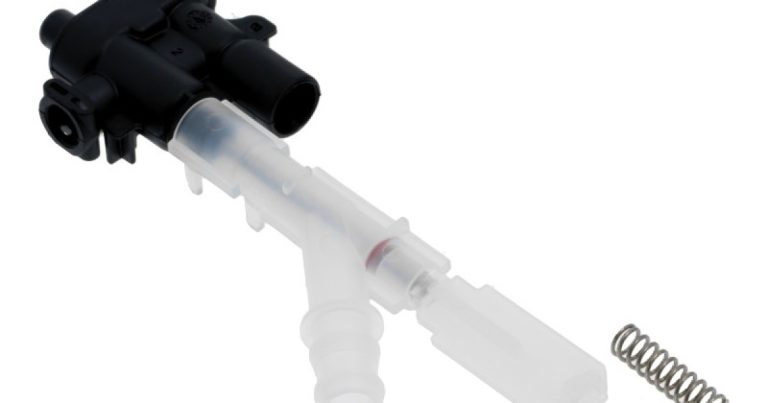
Malfunctioning Over-Pressure Valve (OPV) or Solenoid Valve
These internal components play a crucial role in regulating and releasing pressure within the machine.
- Over-Pressure Valve (OPV): The OPV is designed to redirect excess pressure back to the water reservoir or drip tray if it exceeds a certain threshold (typically set around 9-10 bars). If the OPV is faulty, clogged with scale, or incorrectly adjusted, it might not open at the right pressure, leading to the system building too much pressure.
- 3-Way Solenoid Valve: Found in many semi-automatic machines, this valve relieves pressure from the group head once the pump is turned off, drying out the coffee puck. If this valve is stuck closed or partially blocked, it can contribute to pressure buildup or prevent proper depressurization after a shot.
How to Fix:
- Symptoms of OPV/Solenoid Issue:
- Water consistently backing up into the water tank via a return hose during brewing (if OPV stuck open, causing low pressure).
- No "whoosh" sound or water release into the drip tray after brewing (if 3-way solenoid is stuck closed).
- Gauge reading consistently high without grind/tamp issues.
- Cleaning/Descaling: Sometimes, mineral buildup can cause these valves to stick. A thorough descaling cycle might free them up.
- Inspection and Replacement: Diagnosing a faulty OPV or solenoid valve often requires opening the machine.
- OPV: If accessible, you might be able to clean it or check for obstructions. Some OPVs allow for pressure adjustment, but this should only be done if you know the target pressure and have a pressure gauge to monitor.
- Solenoid Valve: These can sometimes be cleaned, but if the coil is faulty or it's mechanically stuck, replacement is usually necessary.
- Professional Service: Due to the complexity and involvement of electrical components and high-pressure systems, if you suspect an OPV or solenoid valve issue, it's often best to consult a professional espresso machine technician. They have the expertise and tools to safely diagnose and replace these critical parts.
Step-by-Step Troubleshooting Guide
Ready to roll up your sleeves and channel your inner American DIY spirit? Diagnosing and fixing espresso machine pressure faults is often a manageable task if you approach it systematically. This guide will help you narrow down the cause safely and efficiently.

Safety First: Unplugging and Depressurizing
Before you touch anything inside your machine, prioritize safety. Espresso machines operate with high heat, high pressure, and electricity.
- Unplug the Machine: Always disconnect your machine from the power outlet.
- Depressurize: Release any residual pressure. Run the steam wand briefly and/or open the hot water spigot until water stops flowing. Allow the machine to cool down completely before proceeding with any internal inspection or cleaning.
Initial Checks (Water, Grind, Tamping)
Start with the easiest and most common issues.
- Water Tank Check:
- Action: Ensure the water reservoir is full and properly seated.
- Test: If low/no pressure, refill and try to prime the pump by running hot water through the steam wand/hot water spigot for 30-60 seconds.
- Grind Size & Tamping Assessment:
- Action: Evaluate your recent shots. Are they flowing too fast (low pressure) or too slow/not at all (overpressure)?
- Test: Adjust your grind size incrementally (finer for fast shots, coarser for slow/choked shots). Ensure consistent, even tamping pressure.
Cleaning and Maintenance (Group Head, Portafilter, Descaling)
These steps address common blockages.
- Group Head & Shower Screen Cleaning:
- Action: Remove the portafilter. Inspect the shower screen for visible coffee grounds or residue. Unscrew and remove the shower screen and dispersion block (if applicable).
- Fix: Soak and scrub the shower screen and clean the group head interior with a brush and espresso detergent. Backflush your machine with a blind basket and espresso cleaner if it supports it.
- Portafilter Basket Cleaning:
- Action: Inspect the holes in your portafilter basket.
- Fix: Use a brush or toothpick to clear any blockages. Soak in espresso cleaner if needed.
- Descaling:
- Action: When was your last descale? If it's been a while (or if you have hard water), scale buildup is a prime suspect.
- Fix: Perform a full descaling cycle according to your machine's manual, followed by thorough rinsing.
Inspecting for Leaks (Gaskets, Hoses)
Leaks are direct pressure killers.
- Group Head Gasket:
- Action: With the machine off and cool, feel and visually inspect the black rubber gasket where the portafilter locks in. Is it hard, cracked, or flattened?
- Fix: If worn, carefully pry it out with a flathead screwdriver and install a new, correctly sized gasket.
- Internal Hoses/Connections:
- Action: If you're comfortable opening your machine (after unplugging and depressurizing!), visually inspect internal hoses and connections for drips or cracks.
- Fix: Tighten any loose clamps. Replace any cracked or brittle hoses (if you have the right parts and expertise). If unsure, skip this step and call a professional.
Testing the Pump (Listen, Observe Flow)
The pump is critical for pressure generation.
- Listen to the Pump:
- Action: With the machine plugged in and water tank full, activate the brew switch without coffee in the portafilter.
- Observe: Does the pump hum strongly and consistently? Does water flow freely from the group head?
- Diagnose: A weak or intermittent hum, or no sound, suggests a pump issue. Little to no flow despite a running pump (and clear group head) also points to a pump or a severe internal blockage.
Checking Valves (OPV, Solenoid)
These are more advanced internal checks.
- OPV (Over-Pressure Valve):
- Action: If your machine has a pressure gauge and you've ruled out all other causes for overpressure, a faulty OPV might be the culprit.
- Observe: Does the pressure consistently spike much higher than 9-10 bars, even with a coarser grind?
- Diagnose/Fix: This often requires professional diagnosis and potential cleaning/replacement/adjustment.
- 3-Way Solenoid Valve:
- Action: After brewing, does your machine release a "whoosh" of pressure into the drip tray, leaving a dry puck?
- Observe: If not, the solenoid might be stuck or faulty, potentially contributing to pressure issues.
- Diagnose/Fix: Similar to the OPV, this often warrants professional attention due to its internal location and function.
When to Call a Professional (Complex Issues)
Sometimes, it's best to know when to throw in the towel and call in an expert.
- Internal Component Failure: If you suspect a faulty pump, OPV, or solenoid valve, and you're not comfortable with electrical work or disassembling your machine, a professional technician is your best bet.
- Persistent Issues: If you've tried all the troubleshooting steps and the pressure fault persists, there might be a more complex underlying issue.
- Warranty Concerns: Attempting DIY repairs on a machine still under warranty might void it. Check your warranty terms first.
- Safety Concerns: Never attempt a repair if you feel unsafe or unsure.
Preventative Maintenance to Avoid Future Pressure Faults
In the American tradition of taking good care of our investments, proper maintenance is key to keeping your espresso machine purring like a well-oiled engine. Proactive steps can save you time, money, and frustration down the line, ensuring your machine is always ready to deliver that perfect shot.

Regular Cleaning Routine
Consistency is key for a healthy machine.
- Daily: After each use, wipe down the group head, steam wand, and drip tray. Empty and rinse the portafilter.
- Weekly: Backflush with water (if your machine allows). Remove and clean the shower screen and portafilter basket with hot, soapy water. Clean the drip tray and water reservoir thoroughly.
- Monthly (or as needed): Backflush with espresso machine detergent. This removes stubborn coffee oils that accumulate in the brew path.
Consistent Descaling Schedule
This is crucial, especially if you live in an area with hard water, which is common across large parts of the U.S.
- Frequency: Depending on your water hardness and usage, descale every 1-3 months. If your water is particularly hard (you can test it with a home kit), descale more frequently.
- Solution: Always use a descaling solution specifically designed for espresso machines.
- Process: Follow your machine's manufacturer instructions meticulously for the descaling cycle and subsequent rinsing.
Using Filtered Water
Filtered water significantly reduces the mineral content entering your machine, thereby slowing down scale buildup.
- Benefits: Extends the time between descaling, protects internal components, and can even improve the taste of your espresso.
- Options: Use a Brita-type filter pitcher, an inline water filter for plumbed-in machines, or bottled spring water. Avoid distilled water, as it lacks minerals crucial for taste and can sometimes be detrimental to machine components designed for some mineral content.
Proper Grind and Tamping Practices
Mastering these basics prevents many common pressure issues.
- Fresh Beans & Proper Grind: Use freshly roasted coffee beans and grind them just before brewing. Experiment to find the optimal grind size for your specific beans and machine – it should be fine enough to offer resistance but not choke the flow.
- Even Tamping: Aim for consistent, firm (but not overly forceful) tamping pressure. An even puck ensures water flows uniformly, preventing channeling and pressure fluctuations.
Routine Inspection of Components
A quick visual check can spot problems before they escalate.
- Gaskets and Seals: Periodically check the group head gasket and other visible rubber seals for signs of wear, cracking, or hardening. Replace them if they show signs of degradation.
- Hoses: If you can safely access them, check internal hoses for kinks or visible leaks.
- General Cleanliness: Keep the exterior and interior of your machine clean. A clean machine is easier to inspect and maintain.
By integrating these preventative measures into your routine, you'll not only avoid frustrating pressure faults but also extend the lifespan of your espresso machine, guaranteeing many more years of delicious, perfectly extracted coffee.
Key Takeaways
- Pressure faults mean your espresso machine isn't brewing at optimal pressure (usually 9 bars), leading to weak or over-extracted coffee.
- Common causes for low/no pressure include empty water tanks, clogs (group head, portafilter, scale), incorrect grind/tamp, worn gaskets, and faulty pumps.
- Overpressure issues often stem from extremely fine grinds, over-tamping, or malfunctioning over-pressure/solenoid valves.
- Most fixes are DIY-friendly, involving cleaning, descaling, adjusting grind/tamp, or replacing simple parts like gaskets.
- Safety is paramount: Always unplug and depressurize your machine before troubleshooting, especially for internal inspections.
- Preventative maintenance (daily cleaning, regular descaling, filtered water, proper grind/tamp) is your best defense against pressure faults.
- Don't hesitate to call a professional for complex internal component issues (like pump or valve replacement) or if you're unsure about a repair.
FAQs
How often should I descale my espresso machine?
The frequency depends on your water hardness and how often you use your machine. For most home users with average tap water in the U.S., descaling every 1 to 3 months is a good general guideline. If you use filtered water or have particularly soft water, you might be able to extend this to 4-6 months. If you have very hard water, you may need to descale monthly.
Can I use tap water in my espresso machine?
While you can use tap water, it's generally not recommended, especially if you have hard water. Tap water often contains minerals that lead to scale buildup, which is a common cause of pressure faults and can damage your machine over time. Using filtered water (e.g., from a Brita pitcher or an inline filter) is much better for your machine's longevity and can also improve the taste of your espresso. Avoid distilled water, as it lacks minerals that contribute to flavor and can sometimes negatively interact with machine components.
What's the difference between low pressure and no pressure?
Low pressure means the pump is working, but the water isn't meeting enough resistance, or the pump isn't generating enough force, resulting in a thin, watery shot that extracts too quickly. No pressure means either the pump isn't engaging at all, or water isn't being pushed through the system effectively, leading to little to no flow from the group head. Both result in a poor shot, but "no pressure" often points to a more complete blockage, an empty tank, an airlock, or a completely failed pump.
Is it safe to open my machine while it's pressurized?
Absolutely not. Never attempt to open or disassemble your espresso machine while it is plugged in or still pressurized. Espresso machines operate with extreme heat and high-pressure steam, which can cause severe burns or injury. Always unplug the machine from the power outlet and fully depressurize it by running the steam wand or hot water spigot until no more steam or water comes out, and then allow it to cool completely before attempting any internal inspection or repair.
Conclusion
Dealing with a pressure fault in your espresso machine can be a frustrating experience, especially when all you want is that perfect shot to kickstart your day. However, by understanding the common causes—from simple issues like an empty water tank or incorrect grind to more complex problems like scale buildup or faulty internal components—you're already halfway to a solution. Most pressure faults are entirely fixable with a bit of troubleshooting, regular cleaning, and consistent maintenance.
Embrace the DIY spirit, prioritize safety, and meticulously work through the diagnostic steps. By taking good care of your machine through regular cleaning and descaling, using filtered water, and perfecting your grind and tamp, you can significantly extend its life and ensure that your morning espresso ritual remains consistently perfect. If a problem seems too complex or beyond your comfort level, remember that professional help is always available to get your beloved machine back to peak performance.