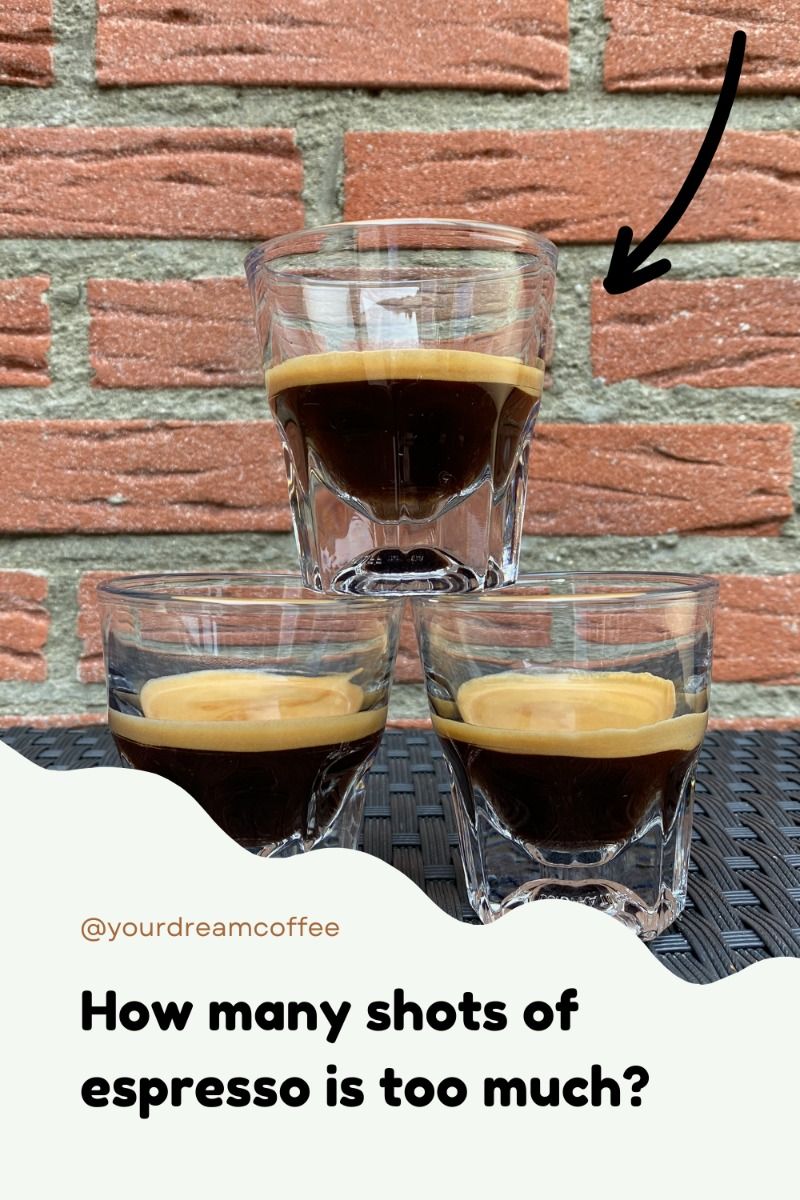
Too Many Espressos Daily?: Find Your Healthy Caffeine Limit
For most healthy adults in the United States, consuming more than approximately 6 to 8 standard single espressos (which typically equates to about 400 milligrams of caffeine) is generally considered too much in one day. This guideline is based on recommendations from health authorities like the U.S. Food and Drug Administration (FDA) for overall caffeine intake, but individual tolerance can vary significantly.
Introduction
In the vibrant American coffee landscape, the espresso stands as a beloved foundation for countless popular beverages, from the morning latte to the afternoon pick-me-up. Its rich, concentrated flavor and invigorating kick are undeniably appealing. However, with each shot delivering a potent dose of caffeine, it's natural for many Americans to wonder: where's the line between a delightful boost and an excessive amount that could lead to unwanted side effects? Understanding your body's limits and the science behind caffeine is key to enjoying your espresso responsibly.

Understanding Caffeine and Espresso in the American Context
In the bustling landscape of American coffee culture, understanding what's truly in your cup is key. Here in the United States, an espresso isn't just a tiny shot; it's a concentrated burst of flavor and caffeine, forming the backbone of popular drinks from lattes to cappuccinos. Knowing its caffeine content is the first step toward managing your daily intake effectively.
An espresso is a concentrated coffee beverage brewed by forcing hot, pressurized water through finely-ground coffee beans. While its volume is small, typically 1 to 1.5 ounces for a single shot, its caffeine density is high. On average, a standard single shot of espresso contains about 63 milligrams (mg) of caffeine. A double shot, often called a "doppio," usually doubles this, providing around 126 mg of caffeine.
The U.S. Food and Drug Administration (FDA) advises that for most healthy adults, 400 mg of caffeine per day is an amount not generally associated with dangerous, negative effects. This guideline is crucial for Americans as it provides a benchmark for total caffeine consumption from all sources, not just espresso. To put this in perspective, 400 mg of caffeine translates to roughly:
- 6 to 8 single espressos
- 3 to 5 double espressos
- About four 8-ounce cups of regular brewed coffee
It's important to remember that this 400 mg figure is a general guideline. Some individuals, particularly those sensitive to caffeine, may experience adverse effects at much lower doses.
Signs You Might Be Overdoing Your Espresso Intake in the USA
For many Americans, a strong coffee is a morning ritual or an afternoon pick-me-up, but knowing when you've crossed the line is vital for your well-being. Recognizing the subtle — and not-so-subtle — signals your body sends is the first step in maintaining a healthy relationship with your beloved espresso. Your body has ways of telling you when it's had too much caffeine, and these signs can range from mild discomfort to more significant health concerns.
Common symptoms that indicate you've consumed too much espresso, or caffeine in general, include:
- Jitters and Restlessness: Feeling fidgety, nervous, or unable to sit still. This is often one of the first noticeable signs.
- Anxiety or Panic Attacks: Caffeine can exacerbate feelings of worry and, in sensitive individuals, trigger anxiety or even panic.
- Increased Heart Rate or Palpitations: A feeling that your heart is beating too fast, skipping beats, or pounding.
- Sleep Disturbances: Difficulty falling asleep, staying asleep, or experiencing restless sleep, especially if consuming espresso late in the day.
- Headaches: While caffeine can relieve some headaches, too much can paradoxically trigger or worsen them.
- Nausea or Digestive Issues: Upset stomach, acid reflux, or increased bowel movements.
- Dizziness or Lightheadedness: Feeling unsteady or faint.
These symptoms arise because caffeine is a powerful stimulant that affects your central nervous system. It blocks adenosine, a neurotransmitter that promotes relaxation and sleepiness, leading to increased alertness. However, in excess, this stimulation overwhelms the body, leading to the discomforting effects listed above.

Individual Factors That Influence Your Espresso Limit in America
While federal guidelines provide a useful benchmark, every American's body processes caffeine differently, making your personal espresso limit a highly individual matter. What might be a perfectly enjoyable amount for one person in New York City could leave another in Los Angeles feeling wired. Your unique physiology, habits, and health status all play a significant role in how you respond to caffeine.
Several key factors determine how much espresso is "too much" for you:
- Body Weight: Generally, a larger person can tolerate more caffeine than a smaller person because the caffeine is diluted in a greater volume of body fluid.
- Genetics: Our genes influence how quickly our liver metabolizes caffeine. Some people are "fast metabolizers" and can handle more caffeine without adverse effects, while "slow metabolizers" may feel the effects for much longer and from smaller amounts.
- Medications: Certain medications, such as some antibiotics or supplements, can interfere with caffeine metabolism, making its effects stronger and longer-lasting. Always consult your doctor or pharmacist about potential interactions.
- Health Conditions: Individuals with certain health conditions need to be particularly cautious. Those with anxiety disorders, heart conditions, high blood pressure, or acid reflux may experience exacerbated symptoms with even moderate caffeine intake.
- Pregnancy and Breastfeeding: Pregnant and breastfeeding individuals are advised to significantly limit or avoid caffeine, as it can pass to the baby. The American College of Obstetricians and Gynecologists (ACOG) suggests limiting caffeine to less than 200 mg per day for pregnant women.
- Caffeine Tolerance: Regular coffee drinkers develop a tolerance, meaning they need more caffeine to achieve the same stimulating effects. Conversely, someone who rarely consumes caffeine will be more sensitive to a smaller dose.
Given these variables, it's essential to listen to your own body and adjust your espresso consumption based on how you feel, rather than strictly adhering to a universal number.

Practical Tips for Managing Your Espresso Consumption in the USA
Navigating your daily caffeine intake can feel like a balancing act, especially with the wide array of coffee shops and home espresso machines popular across the United States. Taking a mindful approach can help you enjoy your espresso without overdoing it. These practical strategies can empower you to maintain a healthy relationship with your favorite concentrated brew.
Here are some actionable tips for managing your espresso intake:
- Track Your Intake: Be aware of how many espressos (and other caffeinated beverages like sodas, energy drinks, or tea) you consume throughout the day. A simple mental tally or even a note on your phone can help.
- Listen to Your Body's Signals: Pay attention to how you feel after each espresso. If you start to feel jittery, anxious, or experience a rapid heartbeat, it's a clear sign to cut back.
- Mind Your Timing: Avoid consuming espresso late in the day. Caffeine has a half-life of about 5 hours, meaning it can take a long time for its effects to wear off, significantly impacting your sleep quality. Aim to stop caffeine intake several hours before bedtime.
- Hydrate Adequately: Caffeine can have a mild diuretic effect. Make sure to drink plenty of water throughout the day, especially if you're a regular espresso drinker, to stay well-hydrated.
- Consider Alternatives: If you crave the ritual of a warm drink but want to reduce caffeine, explore decaf espresso, herbal teas, or even hot water with lemon.
- Opt for Smaller Sizes or Decaf: Many coffee shops in the US offer various espresso-based drinks. Choose a single shot instead of a double, or try a half-caf option if available.
- Take Caffeine Breaks: Occasionally, reducing or temporarily eliminating caffeine can reset your tolerance, making you more sensitive to smaller amounts again.
By implementing these strategies, you can continue to enjoy the distinctive taste and energy boost of espresso while safeguarding your well-being.
Key Takeaways
- For most healthy US adults, the FDA recommends up to 400 mg of caffeine daily, which translates to roughly 6-8 single espressos.
- A single espresso shot typically contains about 63 mg of caffeine.
- Signs of too much espresso include jitters, anxiety, increased heart rate, and sleep disturbances.
- Individual factors like body weight, genetics, health conditions, and medications significantly influence caffeine tolerance.
- Managing intake involves tracking consumption, listening to your body, minding the time of day, and staying hydrated.
Frequently Asked Questions
Is a double espresso considered two shots?
Yes, a double espresso (or "doppio") is generally considered two single shots of espresso, meaning it contains roughly double the caffeine (around 126 mg).
How quickly does caffeine from espresso affect you?
Caffeine from espresso can start to affect you very quickly, often within 15-30 minutes, as it is rapidly absorbed into the bloodstream. Its peak effects are typically felt within 30 to 60 minutes.
Can I build a tolerance to espresso caffeine?
Yes, if you regularly consume espresso or other caffeinated beverages, your body can build a tolerance to caffeine. This means you may need more caffeine over time to achieve the same stimulating effects.
What should I do if I think I've had too much espresso?
If you've had too much espresso and are experiencing adverse symptoms, try to drink plenty of water, avoid further caffeine, and engage in relaxing activities. If symptoms are severe, such as chest pain or extreme anxiety, seek medical attention immediately.
Are there long-term risks associated with high espresso intake?
While moderate caffeine intake is generally safe for most, chronically high espresso consumption may contribute to issues like persistent sleep problems, chronic anxiety, and, in some individuals, increased risk of bone density loss or dependency symptoms. Always consult a healthcare professional for personalized advice.
Conclusion
Enjoying your espresso is one of life's simple pleasures for many Americans, offering a delightful ritual and a welcomed boost. The key lies in understanding your personal limits and respecting your body's signals. While a general guideline of 6-8 single espressos (400 mg caffeine) exists for most healthy adults, individual responses to caffeine are highly varied. By being mindful of your intake, recognizing potential signs of overconsumption, and considering your unique health profile, you can ensure your daily espresso habit remains a source of enjoyment and not discomfort. When in doubt about your caffeine intake or any related health concerns, always consult with a qualified healthcare professional.