Coffee Pods: Differences In Brewing Methods
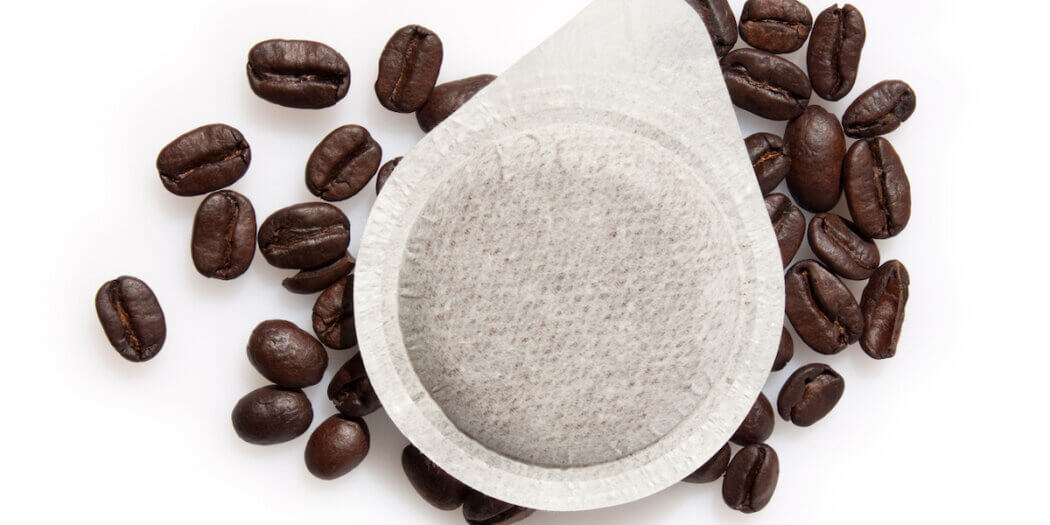
Coffee pods are pre-portioned, sealed containers of ground coffee designed for single-serve brewing machines, offering a quick and convenient way to enjoy a fresh cup of coffee. They differ significantly from traditional coffee brewing methods primarily in their ease of use, speed, consistency, cost per cup, and environmental impact. While traditional methods like drip, pour-over, or espresso offer greater control over the brewing process and flavor customization, coffee pods prioritize convenience and minimal effort.

1. What Exactly Are Coffee Pods?
In the bustling kitchens across America, convenience is king, especially during those early morning hours when time is short. Coffee pods emerged as a direct answer to the demand for a fast, hassle-free coffee experience. These small, self-contained units hold a single serving of ground coffee, sealed to maintain freshness.
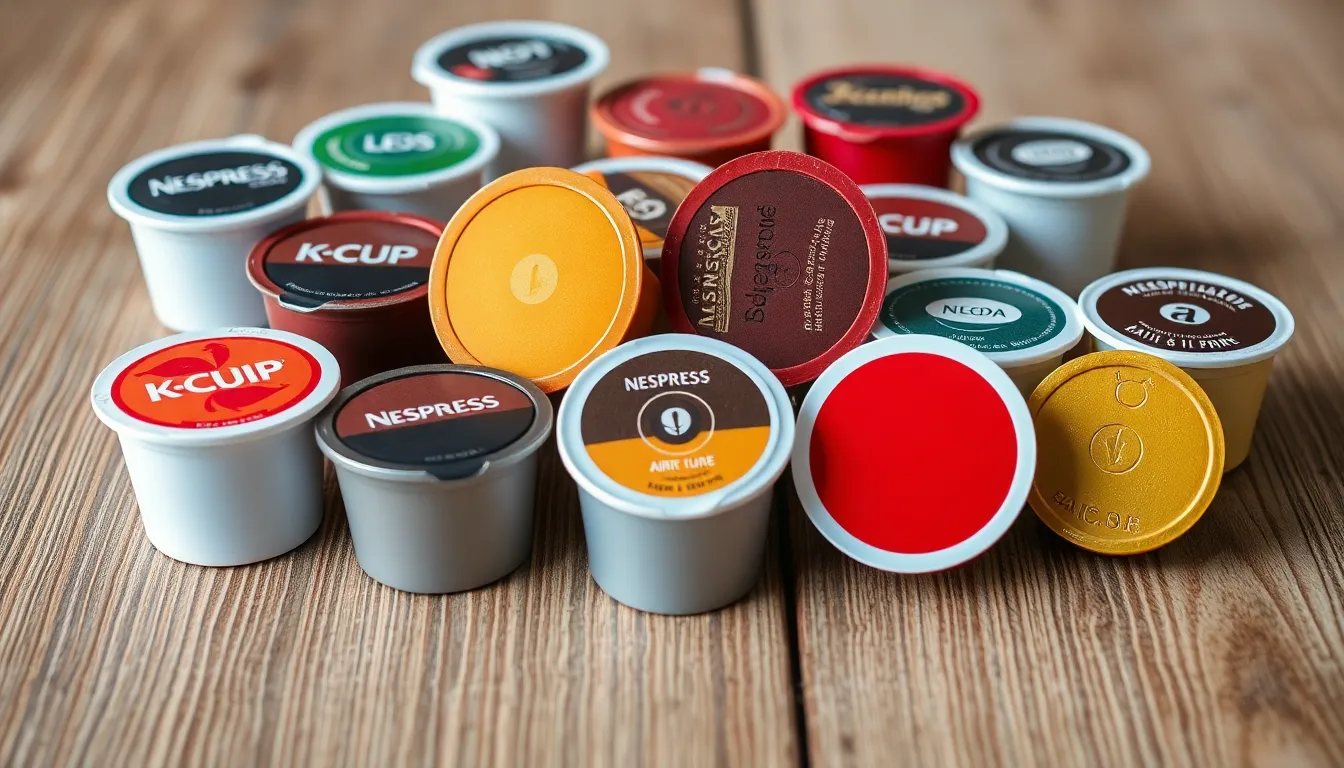
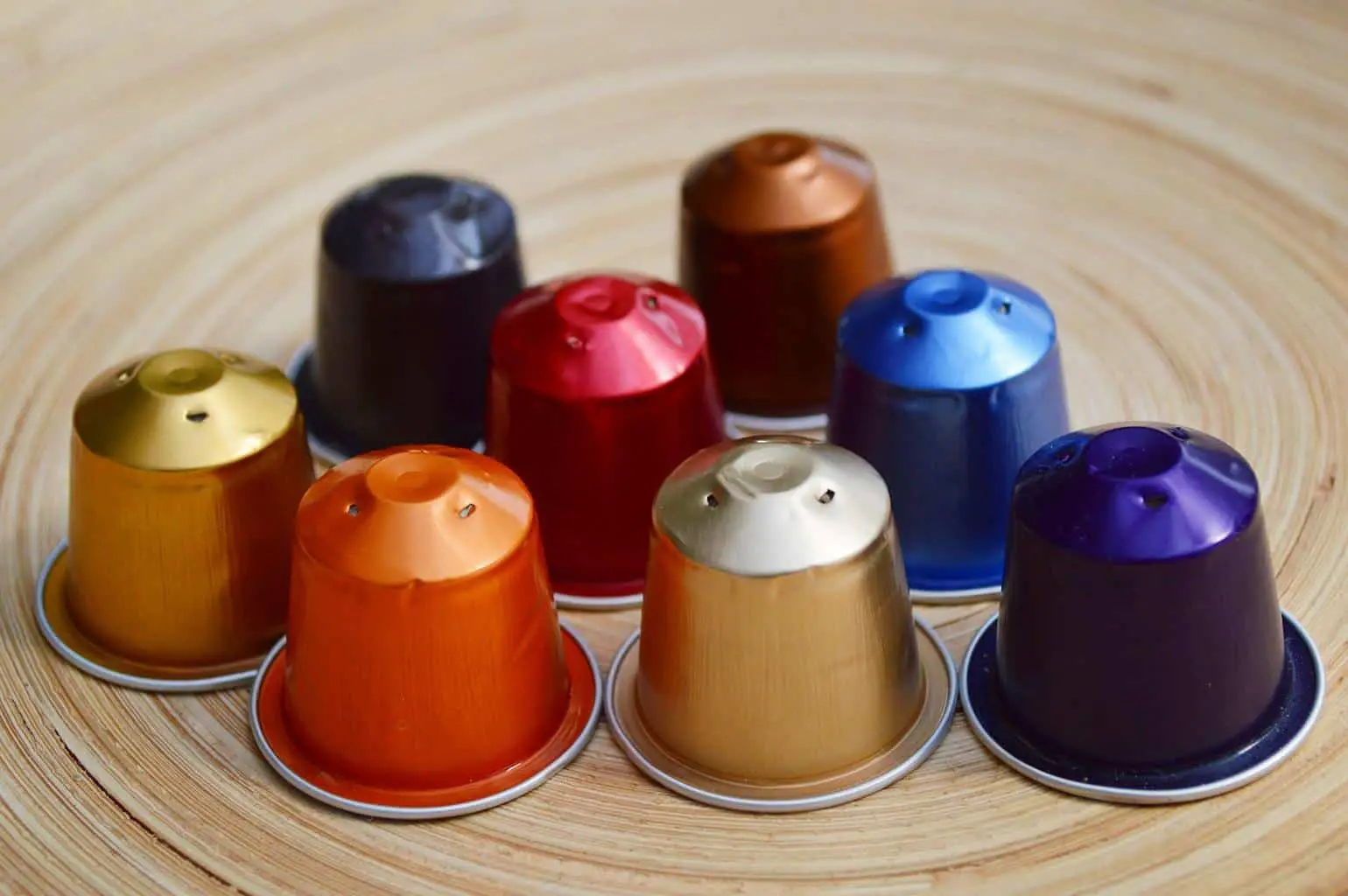
These ingenious little containers come in various shapes and sizes, each typically designed for a specific brewing system. The most recognizable types in the U.S. include K-Cups for Keurig machines and Nespresso capsules. Both use a similar concept: a machine punctures the pod, forcing hot water through the grounds to brew a single cup directly into your mug. Their primary appeal lies in their simplicity and the consistent quality of each brew, removing the guesswork often associated with traditional methods.

2. How Do Coffee Pods Work?
For many American coffee lovers, the magic of a single-serve machine turning a small pod into a steaming cup is a daily ritual. The process is remarkably straightforward, making it an appealing option for busy mornings. When you place a coffee pod into its compatible machine, a precise sequence of events unfolds to deliver your coffee.
First, the machine's internal mechanisms puncture both the top and bottom of the pod. Hot water, heated to an optimal temperature, is then pumped under pressure into the pod through the top puncture. This water saturates the ground coffee inside, extracting the flavors and aromas. Finally, the freshly brewed coffee flows out through the bottom puncture and directly into your awaiting cup. This sealed and automated process ensures a consistent brew every time, protecting the coffee from oxidation until the moment it's made.
3. Key Differences: Coffee Pods vs. Traditional Brewing Methods
When you walk down the coffee aisle at your local supermarket in the U.S., you'll see a vast array of choices, from whole beans to pre-ground coffee, reflecting America's diverse coffee culture. The choice between coffee pods and traditional brewing methods really boils down to what you value most in your daily coffee routine. Each approach has distinct characteristics that shape the experience, from the moment you start brewing to the taste in your cup.
3.1. Convenience and Speed
For Americans constantly on the go, convenience is often the deciding factor in their coffee choices. Coffee pods are designed for ultimate convenience and speed. With a pod system, you simply insert a pod, press a button, and usually within a minute, you have a hot cup of coffee ready. There's no measuring, grinding, or complicated cleanup involved.
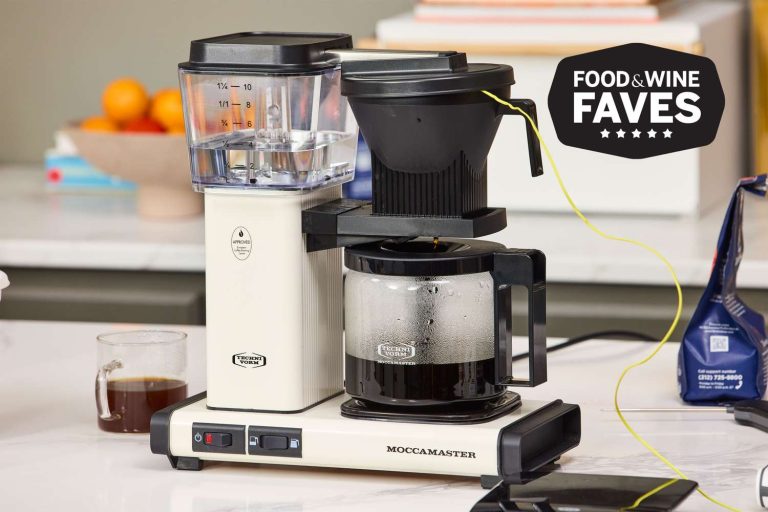
Traditional methods, such as drip coffee, pour-over, French press, or espresso, typically demand more time and effort. These methods often require grinding fresh beans, carefully measuring coffee grounds and water, and sometimes waiting several minutes for the brewing process to complete. While a drip machine can be set the night before, making a fresh pour-over or espresso shot requires immediate attention and several steps.
3.2. Flavor and Freshness
The quest for the perfect flavor is a passionate pursuit for many coffee enthusiasts across the United States. Coffee pods offer a consistent flavor profile, as the coffee is pre-ground and sealed. While this ensures uniformity, it often means sacrificing the peak freshness and nuanced flavors that come from freshly ground beans. The coffee inside pods, though sealed, was ground days or weeks before packaging, leading to some degradation of volatile aromas.
Traditional methods excel when it comes to flavor and freshness potential. Brewing with freshly ground whole beans allows you to unlock a much wider spectrum of flavors and aromas. Methods like pour-over or French press, where you have more control over water temperature and steep time, can highlight specific notes in the coffee. This control allows for a truly personalized and often superior taste experience for those who appreciate the subtle complexities of coffee.
3.3. Cost Per Cup
In American households, budgeting for daily expenses, including coffee, is a common practice. Generally, coffee pods tend to be more expensive per cup compared to traditional brewing methods using whole beans or even pre-ground bulk coffee. While the initial investment in a pod machine might be lower than some high-end espresso makers, the ongoing cost of pods can add up quickly over time.
With traditional methods, buying whole beans in bulk is typically the most cost-effective way to enjoy coffee. Even considering the initial investment in a grinder and brewing equipment, the cost per serving usually works out to be significantly less. For example, a pound of quality whole beans can yield many more cups of coffee than a box of pods for a similar price.
3.4. Environmental Impact
Environmental consciousness is growing across America, influencing consumer choices in every sector, including coffee. The environmental impact is one of the most significant drawbacks of single-serve coffee pods. Most pods are made from plastic and/or aluminum, and while some brands offer recyclable options, the small size and mixed materials can make them difficult to process in standard recycling facilities. This often leads to a substantial amount of waste ending up in landfills.
Traditional brewing methods generally have a lower environmental footprint. Using reusable filters (metal, cloth) or compostable paper filters, and composting spent coffee grounds, can significantly reduce waste. The primary waste product—coffee grounds—is organic and can be repurposed for gardening or composted, making it a much more eco-friendly option for the environmentally conscious consumer.
3.5. Customization and Control
For the discerning coffee drinker in the U.S., the ability to customize their brew can transform a simple morning routine into an art form. Coffee pods offer very limited customization. You choose your pod flavor and strength, but you cannot adjust the grind size, water temperature, or brew time. The machine handles all the variables, ensuring consistency but leaving little room for personal touches.
Traditional brewing methods, conversely, provide extensive control over virtually every aspect of the brewing process. You can select the roast, grind the beans to your desired coarseness, precisely measure the water and coffee, and control the water temperature and extraction time. This level of control allows for endless experimentation and the ability to tailor each cup exactly to your preferences, whether it's a stronger brew or a specific flavor profile.
3.6. Equipment and Maintenance
When it comes to setting up a coffee station in an American kitchen, both space and ease of cleaning are often key considerations. Coffee pod machines are typically compact and very easy to use and clean. Maintenance usually involves refilling the water reservoir and occasionally descaling the machine. There are no messy grounds to deal with after each brew, simplifying daily cleanup.
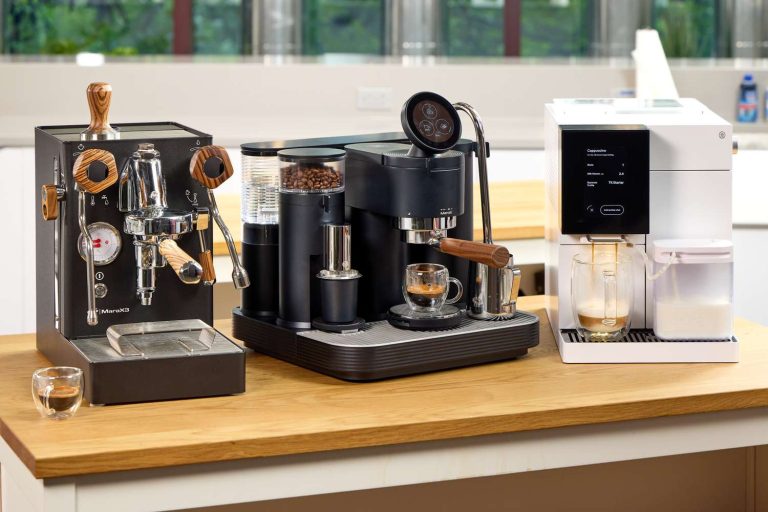
Traditional brewing methods can vary significantly in equipment and maintenance. A basic drip coffee maker is relatively simple, but devices like espresso machines require more specialized cleaning and maintenance routines. Grinders need occasional cleaning, and various parts like portafilters, plungers, and brewing baskets need to be washed after each use. While the ritual can be enjoyable for many, it undeniably requires more effort.
4. Common Misconceptions and Limitations of Coffee Pods
While coffee pods have become a staple in many American homes and offices, it's worth dispelling some myths and understanding their boundaries. One common misconception is that all coffee pods deliver the same quality of taste. In reality, the quality varies widely among brands and even within a brand's specific offerings, much like traditional coffees. Another myth suggests that pods are universally bad for the environment; however, innovation is leading to more compostable and recyclable options, though challenges persist.
A significant limitation is the lack of customization mentioned earlier; you're often stuck with the pre-set parameters of the machine. The limited variety within a single machine's ecosystem can also be a drawback for adventurous palates. Furthermore, despite convenience, the cost per cup can accumulate, leading to a higher overall expense than initially perceived. It's crucial to weigh these factors against the perceived benefits of speed and ease.

5. Which Brewing Method is Right for You? A Decision Guide
Choosing the best way to brew your morning joe is a personal journey for every American coffee enthusiast. There's no single "best" method; it all depends on your priorities and lifestyle. Consider these factors when making your decision:
- For ultimate convenience and speed: If you need a quick, no-fuss cup of coffee without any cleanup during a busy schedule, coffee pods are an excellent choice.
- For superior flavor and customization: If you savor the ritual of brewing, enjoy experimenting with different beans and grind sizes, and prioritize the freshest, most nuanced flavors, traditional methods like pour-over, French press, or espresso are ideal.
- For budget-conscious drinkers: If you want to keep your daily coffee costs down over the long term, buying whole beans and using a traditional brewer will likely be more economical.
- For environmental considerations: If minimizing your ecological footprint is a top concern, traditional methods with reusable filters and compostable grounds offer a significantly greener alternative.
- For specific coffee types: If you primarily enjoy espresso-based drinks, an espresso machine is essential. If you prefer a simple black coffee or a consistent drip, either method can work, but traditional drip offers more control over brew strength.
Ultimately, both coffee pods and traditional brewing methods have their place in the diverse world of coffee. Your ideal choice hinges on balancing convenience, taste, cost, and your personal values.
Key Takeaways
- Coffee Pods: Offer unparalleled convenience, speed, and consistent single-serve portions.
- Traditional Methods: Provide greater control over freshness, flavor, and customization, often resulting in a superior taste experience.
- Cost: Pods are generally more expensive per cup than bulk whole beans.
- Environmental Impact: Pods typically generate more waste, though eco-friendly options are emerging; traditional methods often have a lower footprint.
- Choice: The best method depends on individual priorities regarding speed, taste, budget, and environmental concerns.
FAQs
Are coffee pods real coffee?
Yes, coffee pods contain real coffee made from ground roasted coffee beans, similar to what you'd find in a bag of ground coffee. The difference lies in the pre-portioned, sealed packaging.
Can I reuse coffee pods?
While some creative individuals try to refill single-use pods, they are generally designed for one-time use. Attempting to reuse them often results in a weak, poor-tasting brew. However, there are reusable and refillable pods available that you can fill with your own coffee grounds.
Are coffee pods bad for your health?
Current scientific evidence does not suggest that coffee pods themselves are inherently bad for your health. Concerns usually revolve around the potential for plastic particles leaching into hot water or the quality of the coffee used. To mitigate concerns, choose pods made from BPA-free plastics or aluminum.
What's the difference between K-Cups and Nespresso capsules?
The primary differences are machine compatibility, brewing pressure, and the type of coffee they typically produce. K-Cups (for Keurig machines) generally brew a standard cup of coffee. Nespresso capsules (for Nespresso machines) brew at higher pressures, designed to create espresso-style shots with a rich crema, often used as a base for lattes and cappuccinos.
Are there eco-friendly coffee pods?
Yes, the coffee pod market is evolving with more eco-conscious options. You can find compostable pods made from plant-based materials and recyclable aluminum pods. Some brands also offer refillable pods that allow you to use your own fresh coffee grounds, significantly reducing waste.
Conclusion
Whether you reach for a quick coffee pod or prefer the meticulous ritual of a traditional brew, the world of coffee offers something for everyone. Coffee pods shine in their simplicity and speed, making them a perfect fit for the fast-paced American lifestyle. Traditional methods, on the other hand, cater to those who cherish the craft, flavor nuances, and sustainability aspects of their daily cup. By understanding the unique qualities of each, you can confidently choose the brewing method that best suits your personal taste, schedule, and values, ensuring every cup is a moment of pure enjoyment.