Expensive Coffee: When Does Value End?
At what price does expensive coffee stop being worth it? The true value of expensive coffee is deeply personal, often diminishing returns beyond a certain quality point based on individual palate, budget, and brewing setup.
Venturing into the world of specialty coffee can feel like stepping onto a luxurious, aromatic carpet. There’s an undeniable allure to rare beans, exotic origins, and brewing techniques that promise an unparalleled sensory experience. But as the price tags climb, a common question arises: where’s the line? As someone who’s explored countless coffee shops and brewed a fair share of exquisite (and exorbitantly priced) beans at home, I understand this dilemma intimately. This article will help you navigate the complex relationship between cost and enjoyment, guiding you to discover your personal "worth it" threshold when it comes to expensive coffee. We’ll delve into what makes coffee pricey, when that extra cost genuinely translates to a superior cup, and how to maximize your coffee budget without sacrificing quality.

Understanding the "Worth It" Equation
Defining "worth it" for anything, especially something as subjective as a daily pleasure like coffee, is less about a universal dollar amount and more about a personal calculus. For one person, a $5 latte is an everyday luxury; for another, it's an occasional splurge. When we talk about expensive coffee, the "worth it" equation typically balances perceived quality, personal enjoyment, and financial outlay.
Objectively, quality in coffee can be measured by factors like bean origin, processing methods, roasting consistency, and flavor complexity, often assessed by professional cuppers. However, your personal worth equation weighs these objective factors against your own palate, your daily budget, and the overall experience you seek. Is a $15 cup of Gesha truly "better" than a perfectly brewed $3 cup from your local roaster? Maybe, if you can discern the nuanced floral notes and exotic fruit flavors that justify the premium. But if those subtleties are lost on you, or if the price causes financial stress, then it quickly stops being worth it.
:max_bytes(150000):strip_icc()/faw-primary-coffee-makers-with-grinders-oct-24-rkilgore-0518-1-ff239c5683f84ba1bd1a03c6902bb6a5.jpg)
The Anatomy of Expensive Coffee
So, what exactly drives the price of coffee sky-high? It’s a fascinating blend of agriculture, craftsmanship, and market demand. Truly expensive coffee isn't just about a fancy label; it typically reflects a series of costly decisions and rare circumstances along its journey from seed to cup.
- Rare Origins and Varietals: Some of the most sought-after coffees, like Ethiopian Gesha or certain Panamanian Geisha varieties, come from specific micro-climates and genetic lines known for exceptional flavor. These beans are cultivated in limited quantities, making them inherently more valuable due to scarcity.
- Intricate Processing Methods: Beyond standard washed or natural processing, some coffees undergo experimental fermentation, anaerobic processes, or honey processing, which require meticulous control, specialized knowledge, and often more time and resources. These methods can unlock incredible flavor profiles but come with higher risks and costs.
- Ethical Sourcing and Sustainability: Paying fair prices to farmers, investing in sustainable farming practices, and ensuring traceability throughout the supply chain often translates to higher initial bean costs. Many consumers are willing to pay more for coffee that aligns with their values.
- Masterful Roasting: Roasting is an art and a science. Expert roasters invest in sophisticated equipment and years of experience to perfectly develop the flavors of these unique beans, avoiding defects and highlighting their best characteristics. This expertise is a significant part of the value.
- Brewing Expertise and Equipment: In a cafe setting, specialized baristas using high-end grinders, espresso machines, and pour-over equipment can coax out the best from expensive beans. The cost of labor, rent, and machinery contributes to the final cup price.
- Exclusivity and Brand Story: Sometimes, part of the price reflects the exclusivity of a limited edition, the story behind its production, or the brand's reputation. Think of coffees sold at auction or those with unique historical significance.
For example, I once splurged on a small bag of a rare, anaerobic-processed Ethiopian coffee. The complex flavor notes of jasmine, bergamot, and blueberry were unlike anything I'd ever tasted. For me, that particular experience, understanding the incredible effort behind it, made it worth the higher price.
:max_bytes(150000):strip_icc()/sea-primary-coffee-grinders-oct-24-nsimpson-207-b439c1ef1a674697b2825604e5321d5c.jpeg)
The Point of Diminishing Returns
This is where the rubber meets the road. While quality generally increases with price up to a certain point, there comes a stage where incremental cost no longer translates to a proportionally better (or even noticeably different) experience. This "point of diminishing returns" is crucial to identify for your own coffee journey.
For many coffee enthusiasts, the sweet spot for specialty coffee beans often falls in the $15-$25 per 12oz bag range. Within this bracket, you can find incredibly diverse and high-quality beans from reputable roasters who prioritize ethical sourcing and masterful roasting. You'll taste distinct flavor notes, enjoy fresh roast dates, and generally experience a consistently excellent cup.
However, once you start venturing into the $30-$50+ per 12oz bag territory, the differences become far more subtle. You might encounter truly exceptional, competition-grade beans, but the leap in flavor might not be as dramatic as the leap in price. Is super expensive coffee always better quality? Often, yes, objectively speaking, it is. But "better" doesn't always mean "worth it" for your palate or your budget. I've had $40 bags of coffee that were mind-blowing, and others that, while good, didn't offer a sufficiently enhanced experience to justify their premium over a fantastic $20 bag. It's about finding that balance where the enjoyment plateaus.

Factors Influencing Your Personal Threshold
Your "worth it" price point for expensive coffee isn't static; it shifts based on several personal factors. Understanding these will help you pinpoint your ideal spending limit.
- Your Budget: This is perhaps the most straightforward factor. What can you comfortably afford without feeling a pinch? Coffee should be a pleasure, not a financial burden. If buying expensive coffee means cutting back on other essentials, it's probably not worth it for you.
- Your Palate and Appreciation: How discerning is your palate? Can you genuinely taste the subtle nuances that differentiate a $10 coffee from a $30 one? If you're new to specialty coffee, starting with moderately priced beans and slowly exploring higher-end options can help train your palate. For me, years of tasting have honed my ability to appreciate those subtle differences, making certain expensive coffees more "worth it."
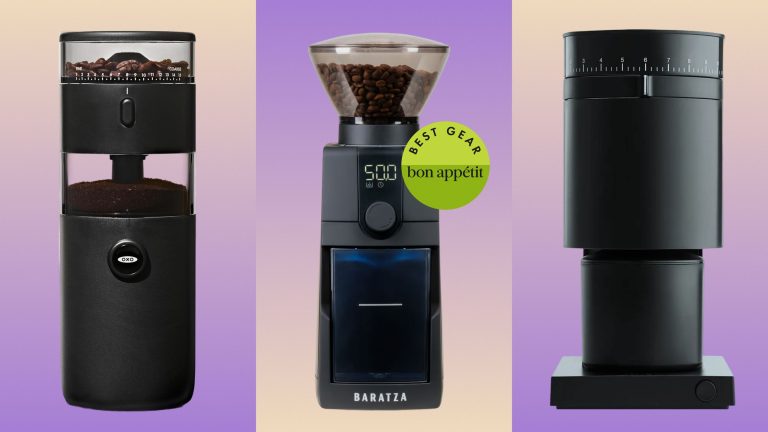
- Your Brewing Setup: Do you have the equipment to do justice to expensive beans? A high-quality grinder is paramount, as is a reliable brewing device (pour-over, AeroPress, espresso machine). Brewing a rare, $50 bag of beans in a blade grinder and a basic drip machine is often a waste, as you won't extract their full potential.
- Your Coffee Habits: Is this an everyday brew or a special occasion treat? If you drink multiple cups a day, a $30 bag might be too costly for daily consumption. However, for a celebratory weekend morning or when sharing with fellow enthusiasts, an expensive bag might be perfectly justified.
- The Experience Factor: Sometimes, the "worth it" isn't just about the taste but the entire experience. Visiting a renowned coffee shop and enjoying a meticulously prepared cup in a beautiful setting adds value. Or, gifting a truly unique coffee to a loved one can be incredibly rewarding. How can I tell if an expensive coffee is worth it for me? It's about honest self-assessment of these points.
Smart Strategies for Enjoying High-Quality Coffee Without Overspending
You don't need to break the bank to enjoy fantastic coffee. With a few smart strategies, you can explore the world of specialty coffee and find your perfect balance.
- Buy Smaller Quantities: Instead of a full 12oz bag, consider buying 4oz or 6oz bags of truly expensive coffee. This allows you to experience rare beans without committing to a large outlay, and ensures the beans are super fresh when you brew them.
- Seek Out Reputable Local Roasters: Many local roasters offer incredible quality at a more accessible price point than some larger, nationally distributed brands. They often have direct relationships with farmers and roast fresh. Supporting local also gives you the chance to ask questions and learn.
- Invest in Good Home Brewing Equipment (Gradually): A quality burr grinder is the single most important investment. After that, a reliable pour-over cone (like a Hario V60 or Kalita Wave) or an AeroPress offers excellent results without a huge price tag. You don't need an espresso machine right away.
- Learn to Brew Properly: Even the best beans can taste bad if brewed incorrectly. Explore different brewing guides, experiment with grind size, water temperature, and brew time. Mastering your technique will elevate any coffee, making even moderately priced beans taste exceptional.
- Explore Different Origins and Processing Methods: Don't get stuck on just one type of expensive coffee. There's a vast world of flavors out there. Try different countries, varietals, and processing methods at various price points to understand what truly resonates with your palate.
- Join Coffee Communities: Online forums or local coffee groups are fantastic resources for recommendations, tips, and even bean swaps. Learning from others' experiences can save you money and introduce you to hidden gems.
:max_bytes(150000):strip_icc()/faw-your-coffee-beans-deserve-better-tout-d02b7901cd354fb091291169e52e7a85.jpg)
Frequently Asked Questions of At what price does expensive coffee stop being worth it?
Is Kopi Luwak worth the price?
Kopi Luwak is generally not worth its extremely high price, as its unique processing (digestion by civets) often doesn't translate to superior flavor, and ethical concerns regarding civet treatment are prevalent. Many specialty coffee experts consider it a novelty rather than a truly high-quality brew.
What's a good price range for specialty coffee beans?
A good price range for quality specialty coffee beans typically falls between $15 and $25 for a 12oz bag, offering excellent flavor, ethical sourcing, and fresh roasting without venturing into diminishing returns territory. Prices can vary based on origin rarity and processing complexity.
Does expensive coffee last longer?
No, the price of coffee does not affect its shelf life. Coffee beans, whether expensive or not, begin to lose freshness rapidly after roasting and are best consumed within 2-4 weeks of the roast date for optimal flavor.
Can I make expensive coffee taste good with a cheap brewer?
While a cheap brewer might extract some flavor, you won't experience the full potential of expensive coffee without a quality burr grinder and a capable brewing device. The nuanced flavors that justify the higher price are often lost due to inconsistent grind size and poor extraction.
How do I discover my personal coffee "sweet spot"?
To discover your personal "sweet spot," experiment by trying different coffees across various price points, pay attention to the flavor notes you enjoy, assess your budget comfort, and consider investing in a good grinder to maximize your brewing results at home. It's a journey of taste and preference.
Conclusion
The journey to determine at what price expensive coffee stops being worth it is deeply personal and wonderfully unique to each coffee lover. There's no magic number where quality universally plateaus; instead, it's a dynamic interplay between your palate's sensitivity, your budget's flexibility, and the brewing environment you create. By understanding the factors that drive up coffee prices, acknowledging the point of diminishing returns, and implementing smart strategies, you can confidently navigate the vast world of specialty coffee.
I encourage you to embrace curiosity: try a small bag of a highly-rated, slightly more expensive bean, and then compare it to your regular go-to. Pay attention to the subtle differences, the aromas, and the lingering aftertaste. Share your experiences in the comments below – what's the most expensive coffee you've tried, and was it worth it for you? Let's keep the conversation brewing!