Turkish Coffee With Steam Wand: Can You Brew It?
No, a steam wand isn't designed to make authentic Turkish coffee, which requires precise brewing.
Many coffee enthusiasts, especially those with home espresso machines, often wonder if their versatile steam wand can be repurposed for brewing different styles of coffee. While the allure of using existing equipment for a unique beverage like Turkish coffee is understandable, the reality is that the distinct brewing methods and desired outcomes of Turkish coffee are fundamentally incompatible with the function of a steam wand. Understanding the intricate dance of heat, grind, and extraction that defines true Turkish coffee will quickly reveal why a tool built for frothing milk simply won't cut it. Join us as we explore the traditional art of Turkish coffee making and delve into why a steam wand, despite its powerful capabilities, is not the key to unlocking its rich, aromatic secrets.

Understanding Turkish Coffee: The Traditional Method
Turkish coffee is more than just a beverage; it's a cultural ritual, a rich tradition steeped in history. Its unique preparation method results in a distinctive cup that's unlike any other coffee experience. The foundation of authentic Turkish coffee lies in its ultra-fine grind, almost like flour, and a specific brewing vessel called a cezve (also known as an ibrik).
The process begins by combining this finely ground coffee with cold water (and sugar, if desired) directly in the cezve. This mixture is then gently heated over a low to medium flame. The key here is slow, controlled heating, allowing the coffee to infuse with the water without reaching a rolling boil too quickly. As it heats, a thick, desirable foam called köpük forms on the surface. The cezve is typically removed from the heat just as the foam rises to the top, right before it boils over. This meticulous process ensures a rich body, intense flavor, and that characteristic thick layer of foam, while also allowing the fine coffee grounds to settle at the bottom of the cup, where they remain.

How a Steam Wand Works: Beyond the Basics
A steam wand, a common feature on espresso machines, is primarily designed for one specific task: heating and texturing milk. It achieves this by expelling high-pressure steam at a very high temperature into a pitcher of cold milk. The combination of heat and aeration creates microfoam, which is essential for crafting delicious lattes and cappuccinos.
The steam wand works by drawing water from the espresso machine's boiler, superheating it, and then forcing it through a small nozzle. This process rapidly introduces both heat and air into the milk, transforming its texture from liquid to a velvety foam. While incredibly effective for milk, the core function of a steam wand is about rapid temperature change and aeration, not the gentle, controlled extraction required for brewing coffee. It's built for speed and agitation, completely different from the slow infusion process of Turkish coffee.

The Mismatch: Why Steam Wands and Turkish Coffee Don't Mix
Trying to make Turkish coffee using a steam wand is like trying to hammer a nail with a screwdriver – it's simply the wrong tool for the job. The fundamental differences in how each apparatus functions create an insurmountable mismatch for achieving an authentic Turkish coffee experience.
- Uncontrolled Heat and Speed: A steam wand delivers intense, rapid heat and agitation. Turkish coffee, on the other hand, demands slow, gradual heating to extract its flavors gently and allow the foam to develop properly. The instantaneous, high-temperature blast from a steam wand would scorch the finely ground coffee almost instantly, resulting in a bitter, burnt taste, completely ruining the delicate flavor profile.
- Extraction Method Discrepancy: Turkish coffee is made by infusion, where finely ground coffee slowly releases its essence into hot water. A steam wand's primary action is heating and agitating a liquid, not facilitating a controlled extraction of coffee solids. It lacks the ability to create the specific temperature curve and dwell time necessary for proper Turkish coffee brewing.
- Pressure vs. Gentle Brewing: The steam wand operates under pressure, injecting steam into a liquid. This pressure and rapid movement would violently churn the very fine coffee grounds, preventing them from settling. Instead of the clear separation of coffee and sediment, you'd end up with a turbid, undrinkable mixture.
- Foam vs. Foam: The thick köpük of Turkish coffee is formed naturally during the slow heating process as gases escape the coffee grounds and rise to the surface. A steam wand's frothing action creates microfoam in milk by aerating it. These are entirely different types of foam, achieved through different physical processes. A steam wand cannot replicate the unique texture and stability of Turkish coffee foam.
- Sediment Management: A defining characteristic of Turkish coffee is the settled sediment at the bottom of the cup. The violent agitation from a steam wand would keep these fine particles suspended, making the coffee grainy and unpleasant to drink. My own experience trying to cut corners in brewing has always taught me that specific tools exist for a reason; you simply can't force one method onto another and expect the same results.

What Happens if You Try to Use a Steam Wand for Turkish Coffee?
If you were to attempt making Turkish coffee using a steam wand, the results would be far from the desired aromatic and flavorful experience. You would likely end up with a coffee that is heavily over-extracted, characterized by a harsh, burnt, and extremely bitter taste. The high-pressure steam would rapidly boil and scorch the delicate coffee grounds.
Instead of the rich köpük foam, you'd probably see a thin, unstable layer of bubbles, or worse, the fine grounds would be violently agitated and suspended throughout the liquid. This means no clear separation of coffee and sediment, resulting in a muddy, grainy texture that would be highly unpalatable. Essentially, you'd create an undrinkable mess rather than a delicious cup of Turkish coffee.
Alternative Methods for "Quick" Turkish Coffee (Without a Steam Wand)
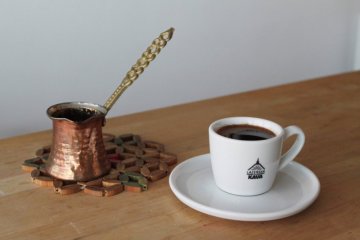
While a steam wand is a no-go, there are certainly ways to make Turkish coffee efficiently and authentically, even if you're looking for a relatively quick option. The best and most authentic method will always involve a cezve (or ibrik), as it's specifically designed for this purpose.
For those seeking convenience, an electric cezve offers a fantastic alternative. These appliances provide the same controlled, gentle heating as a stovetop cezve but often come with automatic shut-off features, making the process simpler and quicker. If a cezve isn't immediately available, a small saucepan on a stovetop can work in a pinch. The key is to maintain very low heat and constantly monitor the coffee to prevent it from boiling too rapidly. Regardless of the vessel, the principle of slow, even heating and careful observation remains paramount to achieving a great cup of Turkish coffee.

Expert Tips for Authentic Turkish Coffee
Mastering Turkish coffee is a rewarding journey that emphasizes patience and precision. Achieving that perfect balance of rich flavor and thick foam is truly an art form. Here are some expert tips to guide you:
- Grind is King: Always use incredibly finely ground coffee. It should feel like flour or powdered sugar. A coarser grind will not allow for proper extraction or the formation of köpük.
- Start with Cold Water: Cold water allows for a more gradual and even heating process, which is crucial for flavor development and foam formation.
- Low and Slow Heat: Resist the urge to rush. Keep your stovetop heat on low to medium. This slow heating prevents burning and allows the coffee to infuse perfectly.
- Initial Stir, Then Leave It: After adding the coffee, water, and sugar to the cezve, give it a gentle stir to combine. After that, avoid stirring as it heats, as this can disrupt the foam development.
- Watch the Foam: Pay close attention as the coffee heats. A beautiful, thick layer of foam (the köpük) will begin to rise. This is a sign of a well-made Turkish coffee.
- Remove Just Before Boiling: The critical moment is just as the foam rises to the very top of the cezve, right before it boils over. Remove it from the heat immediately to preserve the foam and prevent over-extraction.
- Pour Slowly: When serving, pour the coffee slowly into small cups (demitasse size). This helps to transfer the foam evenly and allows the grounds to settle at the bottom.
- Patience is Key: My personal secret: patience is key. Rushing Turkish coffee is like rushing a good conversation – you miss all the subtle nuances. Allow the grounds to settle for a minute or two in the cup before sipping.
Frequently Asked Questions of Is there any way to make turkish coffee using steam wand?
Can I use a regular coffee grinder for Turkish coffee?
Most regular blade grinders won't achieve the ultra-fine, flour-like consistency needed for Turkish coffee. A burr grinder specifically designed for very fine settings or a dedicated Turkish coffee grinder is recommended for the best results.
What is the best type of coffee for Turkish coffee?
Generally, a medium-roast Arabica coffee is preferred for Turkish coffee due to its balanced flavor and aroma. However, the most important factor is the extremely fine grind, regardless of the bean origin.
How do I get a lot of foam on my Turkish coffee?
To get plenty of köpük (foam), use fresh, very finely ground coffee, cold water, and heat it slowly over low to medium heat. Remove the cezve just as the foam rises to the top, before it boils, and pour gently.
Is Turkish coffee meant to be drunk with the grounds?
No, Turkish coffee is not meant to be drunk with the grounds. The fine sediment should be allowed to settle at the bottom of the cup, and you should stop drinking when you reach the thick layer of grounds.
Can I make Turkish coffee in a regular pot?
Yes, you can make Turkish coffee in a small saucepan if you don't have a cezve. The key is to use a pot with a narrow opening and to closely monitor the heat, ensuring it's kept low to prevent boiling and preserve the foam.
Conclusion
While the allure of using a steam wand to create a unique beverage like Turkish coffee is understandable, the reality is that these two methods are fundamentally incompatible. Authentic Turkish coffee relies on a precise, slow infusion of ultra-fine grounds in a cezve, allowing for the development of its signature foam and rich flavor profile. A steam wand, designed for rapid heating and aeration of milk, simply cannot replicate this delicate process; attempting to do so would only result in a burnt, bitter, and unpalatable brew.
Embrace the beautiful ritual of traditional Turkish coffee making. Investing in a cezve or even an electric cezve will open up a world of authentic flavors and cultural experience that no steam wand could ever hope to achieve. So, put away the espresso machine, grab a cezve, and immerse yourself in the art of crafting a truly magnificent cup of Turkish coffee. Share your own experiences or tips for making the perfect cup in the comments below!