Co-Fermented Coffee: How Producers Improve Batch Consistency
Co-fermented coffees are notoriously inconsistent from batch to batch due to inherent biological variability in the fermentation process.
If you’ve ever plunged into the wild world of specialty coffee, particularly those excitingly experimental co-fermented coffees, you’ve likely savored some truly mind-blowing flavor fireworks. But you've also probably asked yourself, or perhaps even screamed at an unsuspecting bag of beans, "Will this taste exactly like the last one?" The quest for batch to batch consistency in co-fermented coffees is less like baking a perfect cake and more like trying to herd a flock of caffeinated, flavor-producing squirrels – it’s a noble, often messy, and utterly fascinating endeavor that requires deep expertise and a good sense of humor. We’re here to demystify this intriguing challenge and explore why your next bag of fruit-infused, funk-tastic beans might be a delightful cousin, rather than an identical twin, to the last.

Understanding Co-Fermented Coffees: A Wild Ride for Your Taste Buds
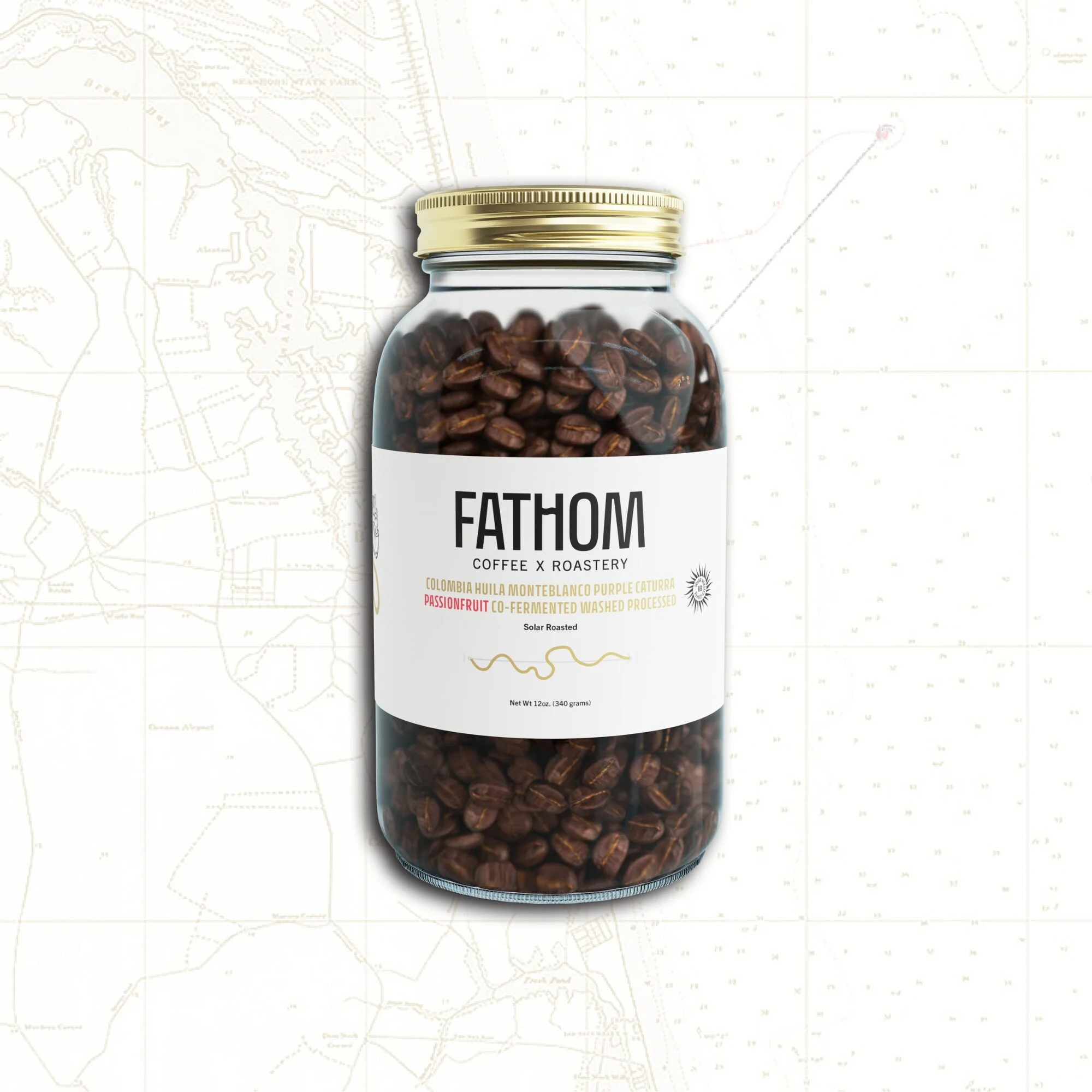
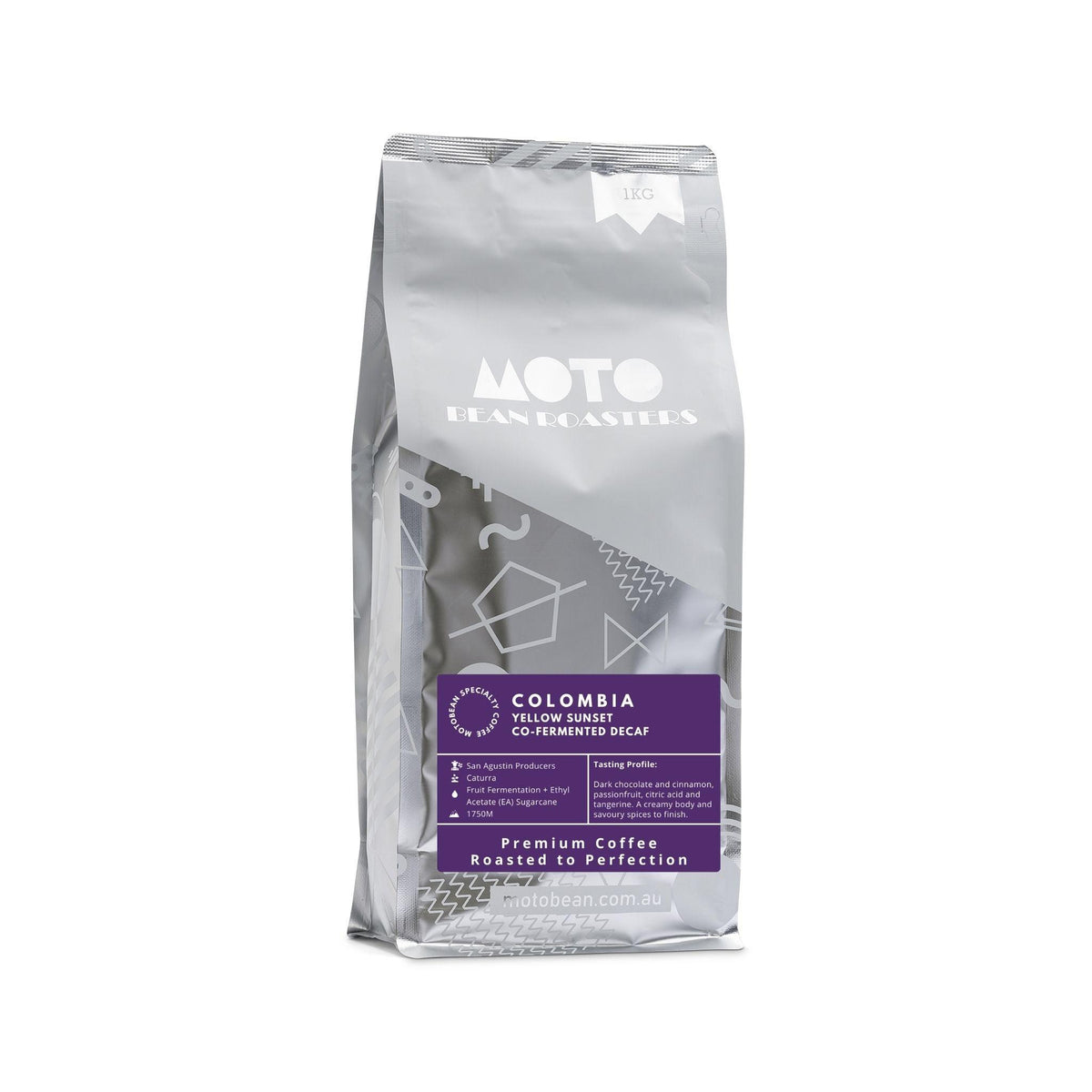
Let's kick things off with a quick primer. What exactly are we talking about when we say "co-fermented coffees"? Simply put, it's a processing method where coffee cherries are fermented not just on their own, but alongside other natural ingredients – think fruits like passionfruit or mango, or even specific yeasts and bacteria. The goal? To coax new, exciting, and often intensely aromatic flavor profiles into the coffee bean itself. It’s a culinary adventure, pushing the boundaries of what coffee can be, turning traditional processing on its head with a cheeky grin. This process is all about innovation, transforming the raw material into something truly unique, and hopefully, consistently delicious, though that's where the plot thickens for co-fermented coffees.

The Consistency Conundrum: Why Every Batch Isn't a Carbon Copy
Ah, the million-dollar question: why is achieving perfect batch to batch consistency with co-fermented coffees like trying to catch smoke? The answer lies deep in the microbial world and the delicate dance of nature. Every fermentation is, at its heart, a biological process driven by microorganisms – yeasts and bacteria. These tiny flavor architects are incredibly sensitive to their environment. Even slight variations in temperature, humidity, pH levels, or the ripeness and sugar content of the added fruits can drastically alter their activity.
Imagine trying to replicate a precise sourdough starter in two different kitchens, one humid and one dry, one cool and one warm, using two slightly different flours. You'd get two different loaves, right? It's the same, but arguably more complex, with co-fermented coffees. The exact microbial populations present on the coffee cherries and the added fruits can differ from harvest to harvest, even from day to day. This natural variability means that achieving exact batch to batch consistency is less about turning a dial and more about managing a tiny, invisible ecosystem, making each batch of co-fermented coffees a unique snapshot in time.

Batch Variation: A Feature, Not a Bug?
Now, before you throw your hands up in despair about the elusive nature of batch to batch consistency, let's consider a different perspective. Could slight batch variation actually be a feature rather than a bug? For some roasters and consumers, particularly those deep in the specialty coffee world, these subtle shifts can be part of the allure. It’s like appreciating different vintages of wine – each year brings unique characteristics based on growing conditions.
The "terroir" of fermentation, if you will, suggests that these micro-differences reflect the specific conditions of a particular lot, adding a layer of authenticity and uniqueness. When I've cupped several bags of co-fermented coffees from the same producer, knowing they were from different batches, I often find myself appreciating the subtle nuances. A touch more tropical fruit in one, a hint more elegant floral note in another. The challenge, of course, is discerning when a variation is a delightful nuance and when it veers into an undesirable off-flavor territory, impacting the expected consistency.
Strategies for Taming the Wild Beast: Improving Batch Consistency
While perfect replication of co-fermented coffees is a lofty goal, producers aren't just crossing their fingers and hoping for the best. They employ increasingly sophisticated strategies to improve batch to batch consistency. From my experience visiting farms and working with innovators, the focus is on control.
- Controlled Fermentation Environments: Many cutting-edge producers now use sealed, anaerobic tanks or climate-controlled rooms where temperature, oxygen levels, and humidity can be precisely monitored and adjusted. This takes a lot of guesswork out of the equation.
- Standardized Recipes and Protocols: Just like a master chef, producers develop specific "recipes" for their co-fermented coffees, documenting the exact ratios of coffee to fruit, the type and amount of inoculated yeast, and precise fermentation durations. These protocols are meticulously followed, aiming to minimize human error and maximize consistency.
- Lab Analysis and Quality Control: High-tech producers utilize Brix meters to measure sugar content, pH meters to track acidity, and even gas chromatography to analyze volatile compounds produced during fermentation. Regular cupping panels also serve as an essential sensory quality check, identifying any deviations early.
- Working with Experienced Producers: As someone who has sourced many experimental lots, I can tell you that experience truly matters. Producers who have iterated on their co-fermentation methods for years understand the quirks of their specific microclimates and ingredients, leading to more predictable and consistent co-fermented coffees. It’s a learning curve, and the best have learned a lot.

The Roaster's Perspective: Navigating the Nuances of Co-Fermented Coffees
For roasters, dealing with the inherent variability of co-fermented coffees is part of the job description. It requires an extra layer of skill and flexibility. We can't just slap the same roast profile on every batch and expect identical results.
When a new lot of co-fermented coffees arrives, the first step is always meticulous cupping. We’re assessing not just the flavor profile, but also its intensity and how it compares to previous batches. Sometimes, minor adjustments to the roast profile – a slightly different development time, a lower finishing temperature – can help highlight or temper certain flavors, bringing the cup closer to the desired standard. In some cases, if there's significant deviation, clever blending with a more stable coffee can help smooth out the edges. Transparency is key here; communicating the unique characteristics of each iteration of co-fermented coffees to consumers helps manage expectations and educates them about the art and science behind their cup.

Is the Juice Worth the Squeeze? The Benefits and Limitations
So, given the challenges, are co-fermented coffees worth the effort? Absolutely!
-
Benefits:
- Unique Flavor Profiles: They push the boundaries of taste, offering flavor experiences rarely found in traditionally processed coffees. We're talking about coffees that taste like tropical fruit cocktails, sweet pastries, or even fine liqueurs.
- Innovation: They drive innovation in the coffee industry, encouraging producers to experiment and refine their craft. This constant exploration benefits the entire specialty coffee ecosystem.
- Consumer Excitement: For coffee enthusiasts, co-fermented coffees offer an exciting adventure, a chance to explore new taste dimensions and appreciate the artistry involved.
-
Limitations:
- High Risk of Inconsistency: As we've discussed, achieving consistent co-fermented coffees is a monumental task, leading to potential batch variation.
- Higher Cost: The specialized equipment, labor, and expertise required often translate to a higher price tag for these exotic beans.
- Potential for Off-Flavors: When not executed perfectly, co-fermentation can lead to undesirable flavors, making quality control paramount.

Frequently Asked Questions
What exactly is co-fermentation in coffee?
Co-fermentation is a coffee processing method where coffee cherries are fermented with additional ingredients, like fruits, specific yeasts, or bacteria, to introduce new and complex flavors to the final cup. It's a creative way to enhance the coffee's natural characteristics and expand its flavor palette.
Why is batch consistency so challenging with co-fermented coffees?
Batch consistency is challenging due to the biological nature of fermentation; microbial activity is highly sensitive to environmental factors like temperature, humidity, and the varying ripeness of added ingredients, making exact replication difficult. Each batch of co-fermented coffees is influenced by these subtle, fluctuating conditions.
Can producers guarantee perfect consistency in co-fermented batches?
No, perfect batch to batch consistency cannot be guaranteed due to the inherent variability of biological processes and natural ingredients involved in co-fermentation. However, skilled producers use advanced techniques and strict protocols to achieve high levels of consistency and predictability.
How do roasters ensure quality with co-fermented coffees?
Roasters ensure quality through rigorous cupping of each new batch, potentially adjusting roast profiles to optimize flavors, and sometimes blending to achieve a desired taste profile. Clear communication with consumers about any subtle batch variations is also crucial.
Are co-fermented coffees generally more expensive?
Yes, co-fermented coffees typically come with a higher price tag due to the increased labor, specialized equipment, technical expertise, and higher risk involved in their production. The unique and complex flavor profiles they offer often justify this premium for specialty coffee enthusiasts.
Conclusion
The journey of co-fermented coffees from farm to cup is a testament to human ingenuity and a delightful dance with nature's unpredictable rhythms. While perfect batch to batch consistency remains a tantalizing target rather than an easily achievable standard, the dedication of producers and roasters to refine these processes means we're seeing increasingly reliable and utterly delicious results. The slight variations often add to the charm, reminding us that coffee, at its heart, is an agricultural product deeply connected to its environment. Embrace the adventure, savor the nuances, and perhaps even appreciate the subtle differences that make each bag of co-fermented coffees a unique experience. Keep exploring these incredible coffees, share your favorites, and let us know what mind-bending flavors you discover next!