Aren’t Grinder Blades Supposed To Be Sharp?: Why Sharpness Isn’t Key
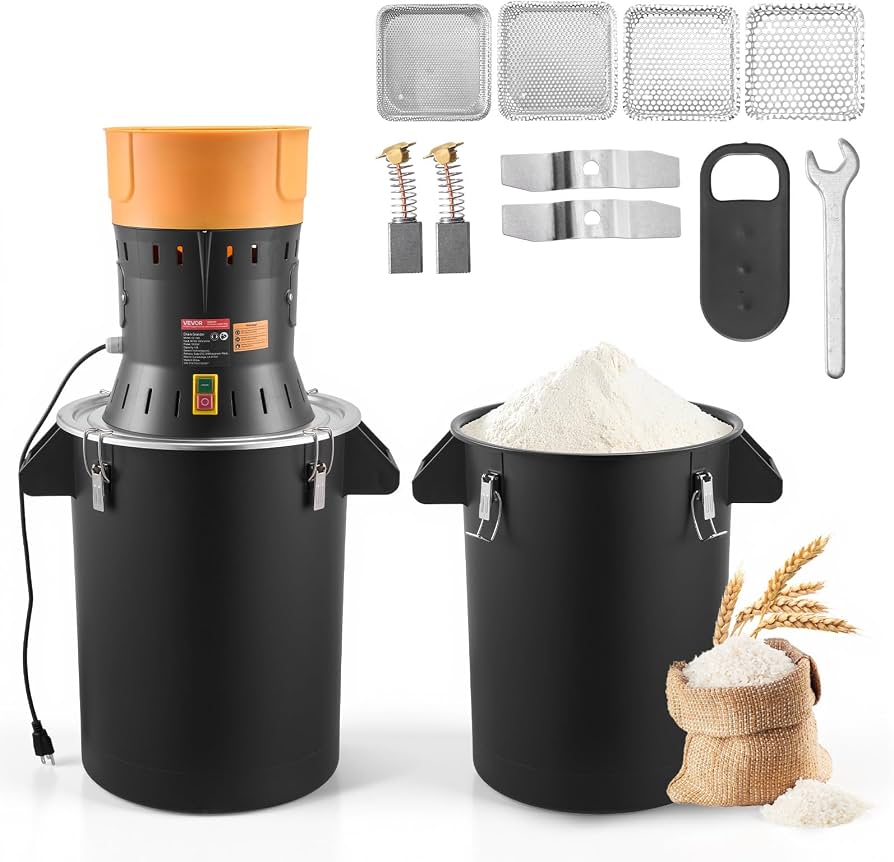
Grinder blades often rely on blunt force and impact to pulverize ingredients, not razor-sharp edges like a knife.
It's a common thought, isn't it? You buy a new kitchen appliance, and the first thing you wonder is if its cutting parts are sharp. When it comes to grinder blades, this assumption often leads to confusion, especially if you expect them to be honed like a chef's knife. But as someone who's spent countless hours experimenting with different types of grinders, from buzzing coffee mills to robust spice pulverizers, I can tell you that the mechanics of grinding are far more nuanced than simple slicing. We're going to dive deep into how grinder blades truly function, what "sharpness" really means in this context, and how to ensure your grinder performs at its best, ensuring you get that perfect grind every time.
Understanding the Grinding Mechanism: It's Not Always About Sharpness
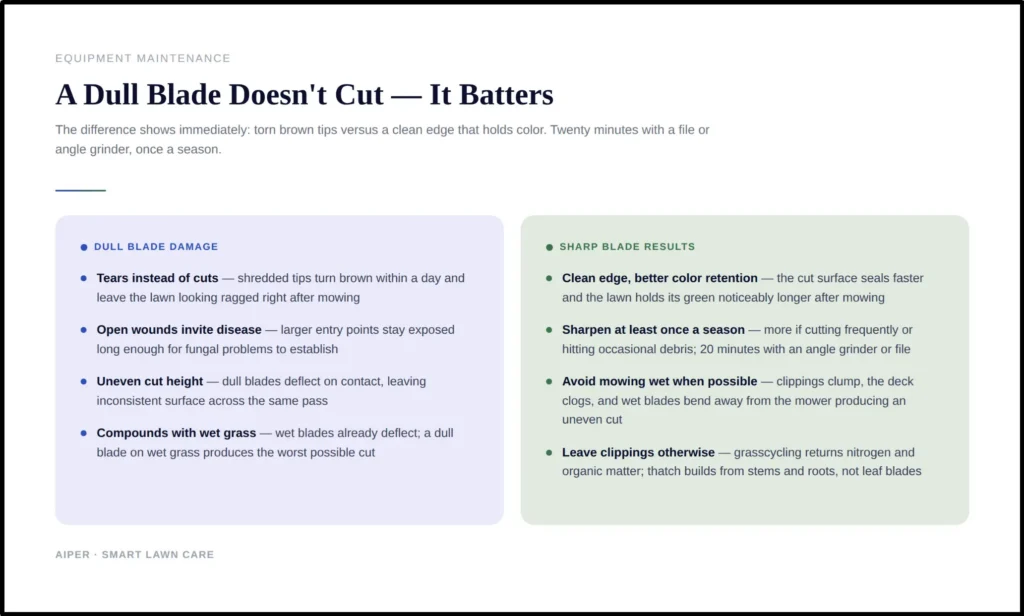
When we think of "blades," our minds often jump to precision cutting tools. However, the world of grinder blades operates on different principles. Many common kitchen grinders, particularly blade grinders for coffee or spices, aren't designed to slice through material. Instead, they're engineered to smash, shatter, and pulverize. This distinction is crucial for understanding how your machine works and what to expect from its performance.
Blade Grinders vs. Burr Grinders: A Fundamental Difference
The first step in demystifying grinder blades is to understand the two main types of grinding mechanisms. Blade grinders, often the more affordable and common choice, use a spinning propeller-like blade. These blades whirl at high speeds, violently impacting the material inside. On the other hand, burr grinders feature two abrasive surfaces – often conical or flat – that grind ingredients between them. One burr remains stationary while the other rotates, crushing and shearing the material into uniform particles. While burr grinders rely on a controlled crushing action, blade grinders are all about chaotic impact.
The Science of Impact and Pulverization
Imagine dropping a coffee bean from a great height onto a hard surface; it shatters, right? That's essentially what a blade grinder does, but at an incredibly fast pace. The rapidly spinning grinder blades create a vortex, throwing beans or spices against the walls of the chamber and into the path of the blades again and again. This repeated high-speed impact breaks down the material into smaller and smaller pieces. The edges of these grinder blades might feel somewhat blunt to the touch, and that's by design. A truly sharp edge would quickly dull from the constant, violent impact against hard ingredients like coffee beans, making it less effective over time.
The Role of "Sharpness" in Different Grinders
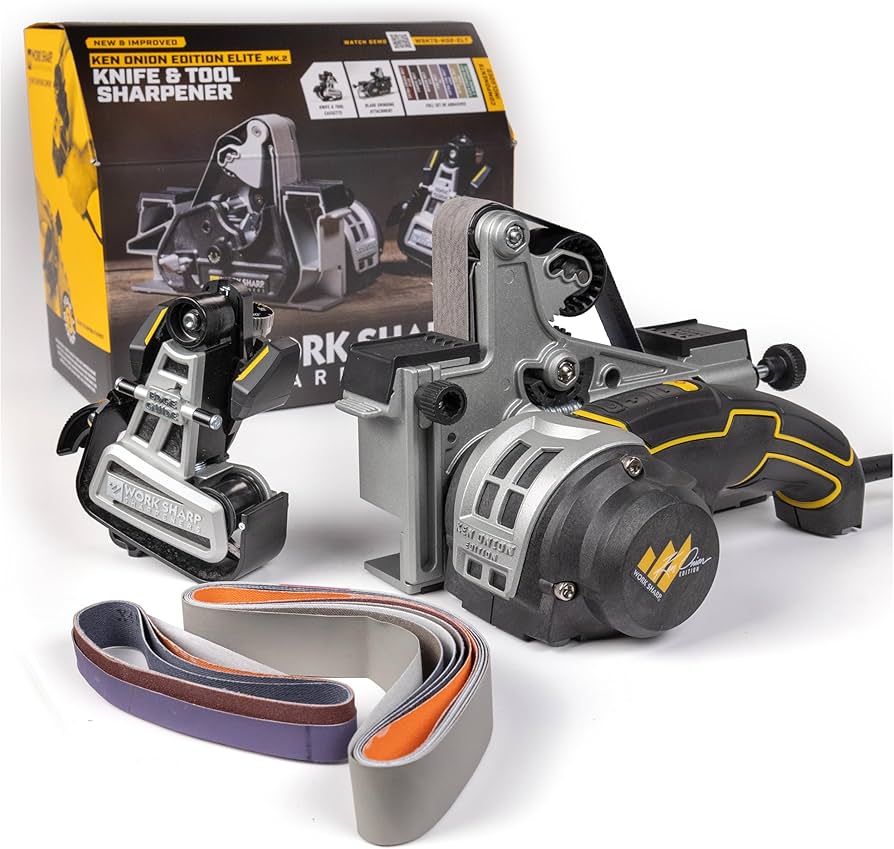
So, if traditional sharpness isn't the goal for many grinder blades, what kind of "sharpness" is needed? It largely depends on the specific design and purpose of the grinder. For some applications, a refined edge is indeed beneficial, while for others, it's about the robust construction and speed.
When Blades Actually Need to Be Edgy (and Why)
While many blade grinders prioritize impact, some specialized grinder blades do benefit from a keen edge. For instance, in certain meat grinders or industrial shredders, the blades need to cut through fibrous materials. Here, the "sharpness" refers to a well-defined edge that can slice cleanly rather than merely tear. Even in some high-end kitchen blenders or food processors, which share some characteristics with grinders, the blades are designed with a specific angle to cut and shear ingredients more effectively. However, these are often processing larger, softer items, not solely pulverizing hard, dry ones.
Why True Sharpness Can Be Detrimental
For the typical coffee or spice grinder, excessively sharp grinder blades can actually be a disadvantage. The constant barrage of hard ingredients would quickly wear down a fine edge, rendering it blunt and ineffective within a short period. Furthermore, the goal isn't to create uniform slices but rather a fine, consistent powder. The blunt force and high-speed impact of robust, slightly dulled grinder blades are far more efficient at achieving this particle size reduction without rapid degradation of the blades themselves. My experience has shown that grinders with thicker, more durable blades often last longer and maintain consistent performance for pulverizing tasks.
Signs Your Grinder Blades Need Attention (Even if Not Sharpening)
Even without needing a razor edge, grinder blades do wear down and require attention to maintain optimal performance. Recognizing these signs can save you from inconsistent results and a frustrating grinding experience. It's about monitoring the effectiveness of the pulverization.
Inconsistent Grind Particle Size
This is perhaps the most tell-tale sign that your grinder blades are losing their efficiency. If your coffee grounds have a mix of fine powder and large chunks, or your spices aren't uniformly milled, it indicates the blades aren't effectively breaking down all the material. The grinder blades might be rounded off, making them less effective at creating the necessary high-velocity impacts or shearing forces. A consistent grind is crucial for flavor extraction and even cooking.
Increased Grinding Time or Effort
Have you noticed you need to run your grinder for longer periods to achieve the same fineness? Or does the motor sound like it's struggling more than usual? This often points to duller or worn grinder blades. Less efficient blades mean the machine has to work harder and longer to process the same amount of material. This not only consumes more energy but also generates more heat, which can negatively impact the flavor of delicate ingredients like coffee beans, leading to premature oxidation.
Noticeable Damage or Wear
Visually inspect your grinder blades. Are they chipped, bent, or heavily pitted? While some wear is normal, significant damage can severely impair their performance. Chipped blades won't impact ingredients uniformly, and bent blades can cause imbalances, leading to vibration and potential damage to the grinder's motor. If you see visible signs of degradation, it's a clear indicator that your grinder blades need replacement, not just cleaning.

Maintaining Your Grinder Blades for Optimal Performance
Even if you're not sharpening your grinder blades like knives, proper maintenance is crucial for their longevity and your grinder's efficiency. A little care goes a long way in ensuring your grinder performs consistently over time.
Regular Cleaning is Key
Residue buildup from coffee oils or spice particles can gum up your grinder blades, making them less effective at impacting ingredients. Regular cleaning is paramount. For most blade grinders, a simple wipe down with a damp cloth after each use, or a deeper clean with rice (grind a small amount of uncooked rice to absorb oils and dislodge particles), can work wonders. I've found that neglecting this step is the fastest way to diminish the performance of any blade-style grinder. Clean grinder blades mean better grinding performance.
The Importance of Proper Usage
Overloading your grinder or trying to process items it wasn't designed for (like extremely hard nuts or wet ingredients in a dry grinder) can quickly damage the grinder blades. Always follow the manufacturer's guidelines for capacity and suitable ingredients. Using short bursts rather than continuous grinding also helps prevent excessive heat buildup, which can degrade the blades and compromise the quality of your grind. Being gentle and using common sense extends the life of your grinder blades significantly.
When to Replace, Not Sharpen
Unlike kitchen knives, most grinder blades, especially those in blade grinders, are not designed to be sharpened. Attempting to sharpen them yourself can alter their balance, lead to uneven grinding, or even damage the motor. Once the grinder blades show significant signs of wear – inconsistent grinds, increased processing time, or visible damage – it's time for replacement. Fortunately, replacement blades are often available and relatively inexpensive for many popular models, giving your trusted kitchen tool a new lease on life.

My Personal Take on Grinder Blade Care
Through years of grinding everything from delicate spices to robust coffee beans, I've learned that understanding your grinder's mechanism is key. I once stubbornly tried to sharpen the blades of my coffee grinder, thinking it would restore its initial zip. Instead, I ended up with an uneven grind that made my morning coffee taste wildly inconsistent. It was a classic "aha!" moment where I realized that not all "blades" are created equal, and their function dictates their form.
My biggest takeaway? Don't force sharpness where impact is king. Focus instead on keeping your grinder blades meticulously clean. I make it a ritual to give my coffee grinder a quick brush and wipe down after every few uses, and my spice grinder gets a deeper clean with rice whenever I switch between strong-flavored spices. This simple habit, along with respecting the grinder's capacity and intended use, has dramatically extended the life and performance of every grinder I've owned. It's about smart maintenance, not misguided sharpening.

Frequently Asked Questions About Grinder Blades
Do coffee grinder blades get dull?
Yes, coffee grinder blades do get dull over time, but not in the same way a knife does. The continuous impact with hard coffee beans causes their edges to round off, reducing their efficiency at pulverizing and leading to inconsistent coffee grounds.
How can I make my grinder blades sharper?
For most blade grinders, you cannot effectively make the grinder blades sharper in the traditional sense. Their design relies on blunt force and impact; attempting to sharpen them can ruin their balance and effectiveness, making replacement the better option.
What is the lifespan of grinder blades?
The lifespan of grinder blades varies greatly depending on usage frequency, material quality, and the types of ingredients processed. With regular use, they might last anywhere from a few months to several years before needing replacement due to wear.
Can dull grinder blades affect food quality?
Absolutely. Dull grinder blades lead to inconsistent particle sizes, which can affect the flavor extraction of coffee or spices, resulting in a less desirable taste or texture in your food and beverages. They also generate more heat, which can degrade delicate ingredients.
Should I clean my grinder blades regularly?
Yes, cleaning your grinder blades regularly is essential. Residue buildup from oils and particles can coat the blades, reducing their efficiency and even imparting off-flavors to subsequent batches. A clean blade ensures optimal performance.
Conclusion
The notion that all grinder blades must be razor-sharp is a common misconception, one that often leads us down the wrong path when it comes to maintenance. Most kitchen grinders, particularly blade models, thrive on impact and pulverization rather than a keen edge. Understanding this fundamental difference allows us to appreciate the robust engineering behind these hardworking appliances. By focusing on consistent cleaning, proper usage, and timely replacement when wear becomes evident, you'll ensure your grinder continues to deliver that perfectly uniform result you desire, whether for your morning brew or your favorite homemade spice blend. Don't let your grinder's performance suffer; give your grinder blades the attention they truly need to keep your kitchen humming. For more insights into optimizing your kitchen tools, explore our other guides and share your own grinding tips in the comments below!