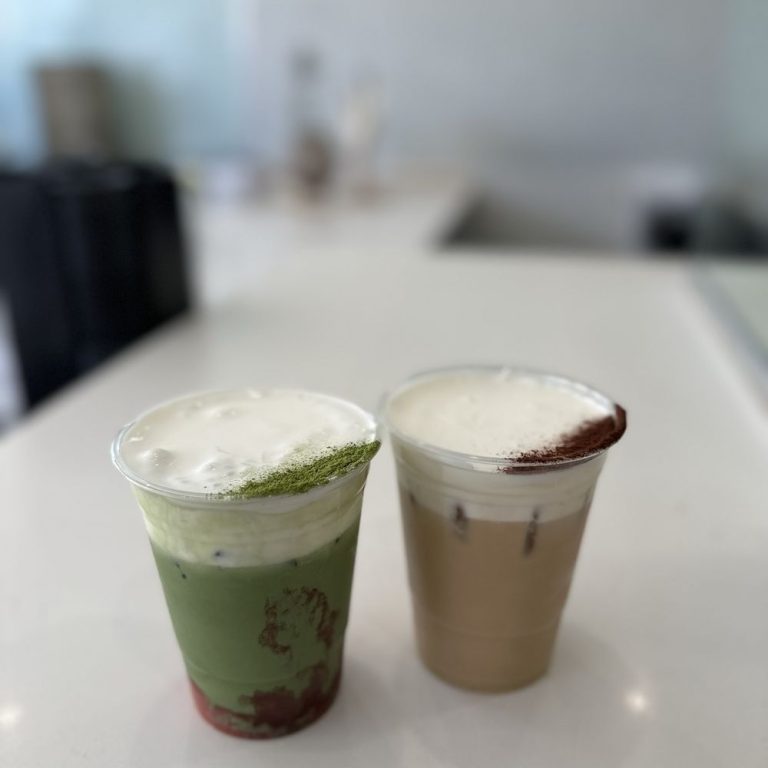
Non-Smelling Coffee: Myth or Reality? What You Should Know
There isn't truly a non-smelling coffee; its aroma is fundamental to its very nature and chemical composition.
For many of us, the rich, inviting aroma of coffee is as much a part of the morning ritual as the first sip. It’s a sensory experience that wakes up our senses before the caffeine even kicks in. But what if you or someone you know can't tolerate that powerful scent? Is it possible to enjoy coffee without its characteristic fragrance? This question might seem paradoxical, but delve with me into the fascinating science behind coffee's smell and explore whether such a thing as truly non-smelling coffee could ever exist, or if there are practical ways to minimize its impact.

Understanding Coffee's Irresistible Aroma
Coffee's distinct smell isn't just a pleasant side effect; it's a complex symphony of hundreds of volatile compounds. These compounds are largely created during the roasting process, where heat transforms sugars, amino acids, and fats into new molecules. Think of it like a chemical reaction masterpiece. The type of bean, its origin, processing methods, and roast level all play a significant role in determining the final aromatic profile. From nutty and chocolatey to floral and fruity, coffee’s aroma palette is incredibly diverse.
When you grind coffee beans, even more of these volatile compounds are released, intensifying the smell. And during brewing, hot water extracts these compounds, allowing them to waft into the air and into our noses. This is why the smell of freshly brewed coffee is often more potent than dry grounds. My own experience in countless coffee shops has shown me firsthand how different roasts create vastly different aromatic landscapes, from a dark roast's smoky notes to a light roast's bright, citrusy fragrance. The idea of a truly non-smelling coffee, when you understand this complexity, seems almost impossible.

The Paradox: Why Would Someone Want Non-Smelling Coffee?
It seems counterintuitive to want coffee without its signature scent, but there are several valid reasons why someone might seek out a non-smelling coffee or at least a very low-aroma option. The primary reasons often revolve around sensitivities, health concerns, or specific environmental needs.
Some individuals experience strong sensitivities or even allergic reactions to airborne coffee particles or the intensity of its aroma. For them, a powerful coffee scent can trigger headaches, migraines, or respiratory discomfort. Furthermore, in shared spaces like offices or public transport, a strong coffee smell might be undesirable or even prohibited. People might also simply prefer a less intrusive scent, or they might be looking for coffee that won't linger too long in the air or on their breath. Understanding these motivations helps us appreciate the quest for non-smelling coffee, even if it presents a significant challenge to coffee science.

The Scientific Challenge of "Non-Smelling Coffee"
The very essence of what makes coffee, well, coffee, is deeply tied to its aromatic compounds. These compounds are not just on the surface; they are integral to the bean's chemical structure and are released through various processes. Creating a truly non-smelling coffee would essentially mean stripping it of these fundamental components. This isn't like removing caffeine; it's more akin to removing the color from a rainbow.
Scientists and food technologists have explored various methods to reduce strong odors in foods, but for coffee, it’s particularly challenging. The volatile organic compounds responsible for the aroma are pervasive. Any process that significantly reduces these compounds would likely alter the flavor profile dramatically, potentially rendering it unrecognizable as coffee. So, while achieving a completely non-smelling coffee is scientifically improbable without destroying its character, the focus often shifts to minimizing aroma rather than eliminating it entirely.

Approaches to Minimizing Coffee Aroma
While a truly non-smelling coffee might be a myth, there are practical strategies and product types that aim to significantly reduce its aroma. These methods don't create odorless coffee, but they can offer a much milder experience.
- Darker Roasts and Cooler Brewing: Paradoxically, darker roasted coffees, while often perceived as strong, can have fewer volatile aromatic compounds compared to lighter roasts, as many have been "burned off" during the extended roasting. Additionally, brewing coffee with slightly cooler water or using brewing methods that minimize agitation can help reduce the release of aromatics into the air.
- Encapsulated or Low-Aroma Coffee Products: Some companies have experimented with coffee products designed to have a reduced aroma. This might involve different processing techniques or even encapsulating the coffee grounds to contain the scent until brewing. These specialized products aim for a low-smelling coffee experience without completely removing the taste.
- Storage and Packaging: How you store your coffee plays a crucial role. Keeping coffee beans or grounds in airtight containers, ideally in a cool, dark place, helps to contain the aroma and slow down the release of volatile compounds. This won't make it non-smelling coffee, but it will prevent the scent from permeating your pantry.
- Brewing Environment: Brewing in a well-ventilated area can quickly dissipate the coffee smell, making it less intrusive. Using an enclosed brewing system, like a single-serve pod machine, can also limit the immediate release of aroma compared to an open drip brewer.

Exploring Low-Aroma Coffee Alternatives
If the goal is to enjoy a coffee-like experience with minimal scent, exploring alternatives can be a fruitful path. These options aren't strictly non-smelling coffee, but they offer solutions for those sensitive to strong aromas.
- Chicory Root Coffee Substitutes: Chicory root, when roasted and brewed, offers a dark, earthy flavor similar to coffee but with a distinctly different and generally milder aroma. It's a popular choice for those looking to cut down on caffeine or simply find a coffee alternative.
- Herbal Teas and Infusions: While not coffee, many herbal teas can offer warm, comforting, and flavorful beverages with a wide range of mild or pleasant aromas that are far less intense than coffee.
- Low-Acid Coffee Options: Sometimes, the issue isn't just the smell, but the overall sensory impact. While low-acid coffee mainly addresses digestive comfort, it often comes from different beans or roasting methods that can also contribute to a slightly milder aromatic profile.
- Cold Brew Coffee: Cold brewing extracts flavor compounds differently than hot brewing. Often, cold brew has a smoother taste and a less volatile aromatic release, making its scent less pervasive in the air compared to a hot brew. It’s not non-smelling coffee, but it’s a gentler experience.
Frequently Asked Questions About Non-Smelling Coffee
Is there a truly odorless coffee available commercially?
No, a truly odorless or non-smelling coffee is not commercially available because its aroma is an inherent part of its chemical composition and brewing process. Any product marketed as such would likely be a coffee alternative.
Why does coffee have such a strong smell?
Coffee's strong smell comes from hundreds of volatile aromatic compounds that are created during roasting and released when ground and brewed, contributing significantly to its flavor and sensory experience.
Can I reduce the smell of my regular coffee?
You can reduce coffee smell by using airtight storage, brewing in well-ventilated areas, and opting for brewing methods like cold brew that release fewer aromatics into the air. Darker roasts might also have a less volatile aroma.
Are people allergic to coffee smell?
While rare, some individuals can experience sensitivities or allergic-like reactions, such as headaches or respiratory irritation, to the strong aroma or airborne particles of coffee.
Does decaffeinated coffee smell less?
Decaffeinated coffee still has an aroma, but the decaffeination process can sometimes remove some volatile compounds, potentially resulting in a slightly less intense scent compared to its caffeinated counterpart.
Embracing the Aroma (or Minimizing It)
The journey to understand "non-smelling coffee" reveals just how central aroma is to the coffee experience. While a truly odorless coffee remains largely a scientific impossibility without stripping away its very essence, there are numerous practical steps and alternative options for those who need or prefer a reduced aromatic presence. Whether it’s choosing a darker roast, opting for cold brew, or exploring chicory, the world of beverages offers solutions that balance personal needs with the joy of a warm, flavorful drink.
Don't let the quest for a non-smelling coffee stop you from exploring. Consider experimenting with different brewing methods or coffee alternatives to find your perfect fit. Share your thoughts or experiences in the comments below – have you found a low-aroma solution that works for you?