Iced Coffee in America: When Did It Really Take Off?
Iced coffee really took off in America during the late 1990s and early 2000s.
If you've ever wondered when exactly that refreshing glass of chilled coffee transformed from a rare find into an absolute American staple, you're not alone. As someone who has spent years immersed in the evolving landscape of American coffee culture, I've watched this phenomenon unfold firsthand. This isn't just about a beverage; it's about a significant shift in our daily rituals, our preferences, and even our social interactions. Let's delve deep into the fascinating journey of iced coffee in America and uncover the moments that truly propelled it into the widespread popularity we see today.
The Early Stirrings: Pre-Modern Iced Coffee
Before we pinpoint when iced coffee became a mainstream sensation, it's important to acknowledge its historical whispers. Cold coffee isn't a completely new invention. Historically, various forms of chilled coffee beverages have existed globally, often born out of necessity or local traditions. In America, early iterations could be found in specific regions, perhaps as a summer treat, but they weren't the ubiquitous menu item we recognize now.
Think of it as a specialty item, something you might encounter in a particular diner during a sweltering summer or perhaps an anachronistic recipe from a bygone era. These were often hot coffee poured over ice, leading to a diluted, less-than-ideal experience that didn't truly capture the potential of a perfectly crafted cold brew or iced latte. The general perception was that coffee was primarily a hot beverage, meant to warm you up and kickstart your day. This perception dramatically shifted, paving the way for iced coffee in America to truly find its footing.

The 1990s Revolution: Starbucks and the Rise of Cold Coffee Culture
The real tipping point for iced coffee in America arrived with the dramatic expansion of coffee chains, particularly Starbucks, in the 1990s. As these cafes became integral to the urban and suburban landscape, they introduced a broader public to a wider array of coffee experiences beyond the standard drip. Suddenly, the menu board wasn't just about sizes but about preparations, flavors, and temperatures.
Starbucks, with its innovative approach to coffee and its savvy marketing, began popularizing drinks like the Frappuccino in 1995. While not strictly "iced coffee" in the traditional sense, these blended, cold, and often sweetened coffee concoctions opened consumers' minds to coffee as a refreshing, indulgent treat, especially during warmer months. This period cultivated a new generation of coffee drinkers who saw coffee as more than just a morning jolt – it was a lifestyle accessory. This exposure was crucial, setting the stage for more conventional iced coffee in America to flourish.
Beyond the Millennium: Mainstream Domination and Diversification
As the calendar turned to the 2000s, the momentum for iced coffee became undeniable. What started as a niche offering or a seasonal novelty rapidly evolved into a year-round demand. You'd see people carrying iced lattes even in winter, a clear sign that cold coffee was no longer just a summer fling. This era also saw the rise of sophisticated cold brew methods.
Cold brew, steeped for hours, offered a smoother, less acidic, and naturally sweeter alternative to hot coffee poured over ice. This innovation significantly elevated the quality of iced coffee, making it a truly desirable product on its own merit. Coffee shops, big and small, started investing in dedicated cold brew systems, and consumers, myself included, eagerly embraced the superior taste. The question, "Was iced coffee always popular in the US?" quickly became irrelevant as its presence solidified across the nation, making it clear that iced coffee in America was here to stay.
Why Did Iced Coffee Explode? Key Factors
Several intertwined factors contributed to the explosive growth of iced coffee in America. It wasn't just a single event but a confluence of cultural, economic, and technological shifts. Understanding these elements helps us appreciate the depth of its integration into our daily lives.
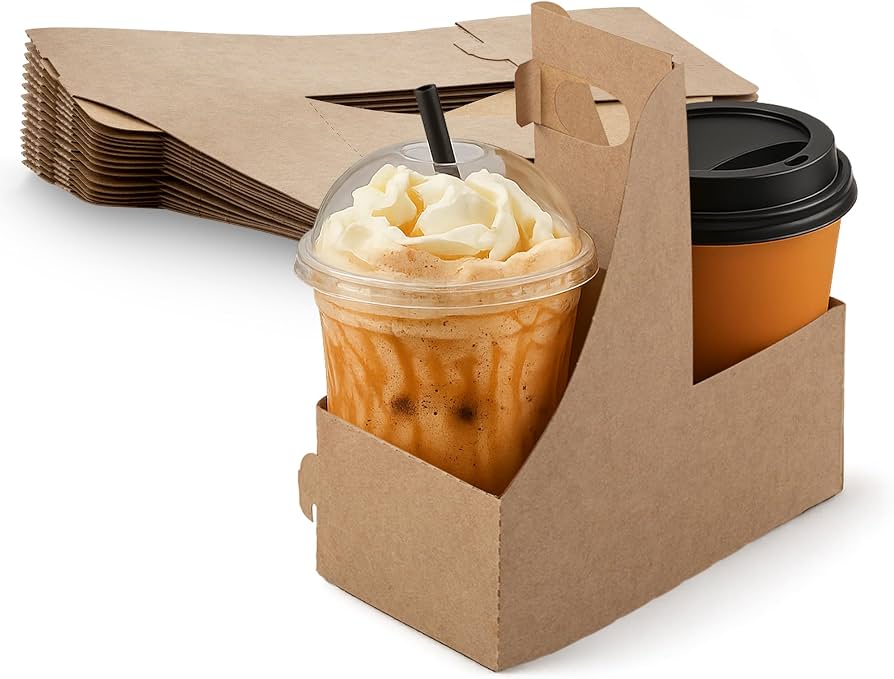
- Convenience and Portability: Modern life demands convenience. Iced coffee, often served with a lid and a straw, is inherently portable. It's easy to grab on the go, making it a perfect companion for commutes, errands, or simply strolling through a city park.
- The "Treat" Factor: For many, iced coffee is an affordable luxury, a small daily indulgence. The customization options—different milks, syrups, and toppings—transform a simple beverage into a personalized treat that feels rewarding.
- Social Media and Visual Appeal: In the age of Instagram and TikTok, the aesthetics of food and drink play a huge role. A beautifully layered iced latte or a glass of amber cold brew with perfectly clear ice cubes is inherently photogenic, driving its popularity through shared experiences online.
- Climate and Lifestyle: As climate patterns shift, warmer weather extends into more months, increasing the demand for refreshing drinks. Furthermore, an active, on-the-go lifestyle naturally leans towards cooler, more accessible beverages.
- Innovation in Preparation: The introduction of cold brew methods addressed the primary complaint about traditional iced coffee—dilution and bitterness. This improved quality was a game-changer, demonstrating that "What role did large coffee chains play?" was immense in innovating and distributing these improved methods.
These factors together forged the path for iced coffee to move beyond a niche offering and become a dominant force in the American beverage market.
The Cultural Impact and Future of Iced Coffee
The rise of iced coffee in America reflects a broader cultural transformation. It signifies a shift from coffee primarily as a utilitarian morning ritual to a versatile, customizable, and often indulgent beverage enjoyed throughout the day. From the bustling city streets to quiet suburban cafes, you'll find people of all ages enjoying their preferred cold coffee concoction.
As for the future, the innovation isn't stopping. We're seeing more specialized cold brew variations, nitro cold brews with their creamy, stout-like texture, and increasingly complex flavor profiles. Sustainable sourcing, ethical production, and unique beans are also becoming more important to consumers, influencing their choices in iced coffee. The market continues to grow, adapting to new tastes and technologies, ensuring that iced coffee remains a vibrant and evolving part of American culture. This ongoing evolution answers the question: "Is cold brew the same as iced coffee?" by showing that cold brew is a type of iced coffee, often preferred for its distinct characteristics, and contributes significantly to the overall popularity of cold coffee.

Frequently Asked Questions
When did iced coffee become popular in the US?
Iced coffee started gaining significant traction in the United States in the late 1990s and truly became mainstream in the early 2000s, largely propelled by the expansion of major coffee chains.
Is cold brew the same as iced coffee?
No, cold brew is a type of iced coffee, but not all iced coffee is cold brew. Cold brew is made by steeping coffee grounds in cold water for an extended period, resulting in a smoother, less acidic concentrate, while traditional iced coffee is hot coffee poured over ice.
What factors contributed to the rise of iced coffee?
Key factors include increased convenience and portability, its appeal as an affordable treat, strong visual presence on social media, adapting to warmer climates and active lifestyles, and innovations in preparation like cold brew.
Was iced coffee always available in America?
While chilled coffee beverages existed in various forms historically, iced coffee as a widespread, year-round menu staple is a relatively recent phenomenon, largely taking off in the last few decades.
Do Americans drink more hot or iced coffee now?
Current trends indicate a significant and growing preference for iced coffee, with many consumers choosing it year-round, blurring the traditional seasonal lines for hot versus cold beverages.
Conclusion
The journey of iced coffee in America is a fascinating tale of cultural evolution, innovation, and changing consumer tastes. What began as a rare or seasonal novelty has firmly established itself as a beloved, year-round staple, transforming how we perceive and enjoy our daily caffeine fix. This shift, largely driven by strategic market entry by major coffee players and a growing desire for customizable, convenient treats, underscores a vibrant change in American beverage preferences.
So, the next time you find yourself sipping on that perfectly chilled glass of iced coffee, take a moment to appreciate the history it represents. Consider exploring different types, perhaps a nitro cold brew or a flavored iced latte, to truly experience the diverse world of cold coffee. There's always a new blend or preparation method waiting to delight your taste buds!