
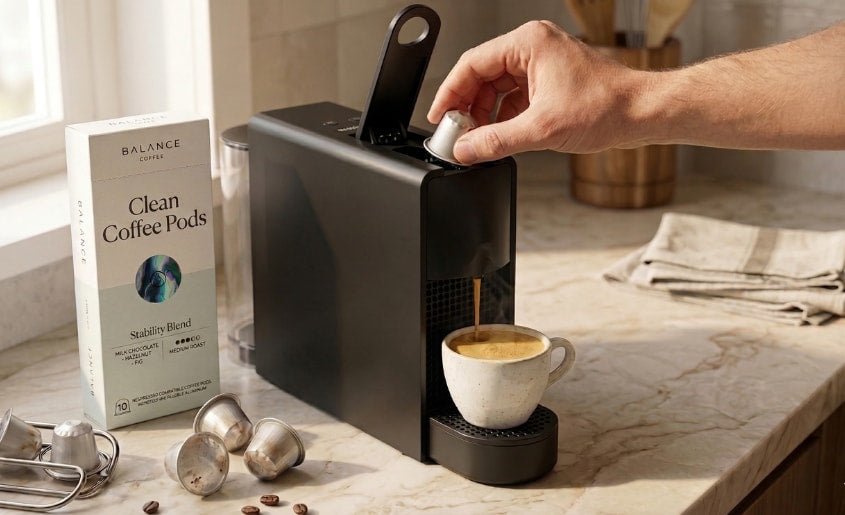
What Causes Inconsistent Espresso Flow With ESE Pods? The Fix
Mineral buildup inside the group head or a damaged gasket that leaks pressure are the most common reasons why inconsistent espresso flow happens when using ese pods. In most cases, you can identify the problem by checking the water flow without a pod inserted. If the flow is steady without the pod but slows to a drip with one, the pod itself or the filter basket is the likely bottleneck.
Why espresso flow becomes inconsistent

| Cause | How common | How to confirm it | Fix it yourself? |
|---|---|---|---|
| Scale buildup | Very common | Check water flow rate | Yes |
| Worn gasket | Common | Inspect seal for gaps | Yes |
| Misaligned pod | Common | Re-seat pod carefully | Yes |
| Damaged basket | Occasional | Check mesh for holes | Yes |
| Pump failure | Rare | Listen for unusual noise | No |
Mineral buildup in the water path
Scale buildup is a common issue because minerals in tap water harden over time as they’re heated, creating a physical barrier inside the machine’s internal tubes. This buildup restricts the water volume reaching the pod, which leads to weak or inconsistent pressure. You can confirm this by observing the flow rate without a pod; if it’s noticeably slower than when the machine was new, scale is the likely culprit.
To fix this, you must run a descaling solution through the machine. Use a product specifically designed for espresso equipment and follow the manufacturer’s descaling guide for your exact model, as the process varies by machine type. This takes about 30 to 60 minutes. The frequency of this process depends on your water hardness and usage; always consult your owner’s manual for the recommended schedule. Never use vinegar, as it can damage the internal rubber seals or metallic components over time. If the flow doesn’t improve after a thorough cleaning, the blockage may be deep within the solenoid valve, which requires professional servicing to avoid damaging the internal electronics.
Worn or damaged portafilter gaskets
A worn gasket prevents a tight seal between the pod and the group head, allowing pressurized water to escape around the edges rather than through the pod. If you notice water leaking down the outside of the portafilter handle during brewing, this is a clear sign that the seal is compromised. You can confirm this by looking for wet grounds or water marks on the top of the used pod after extraction; a healthy seal should leave the pod surface relatively dry and uniformly compressed.
Replacing a gasket is a straightforward task that involves prying out the old, hardened ring with a flat-head screwdriver and pressing the new one into place. This costs very little compared to a professional repair, as you’re only paying for a small rubber component. It’s important to match the gasket to your specific machine make and model, as diameters vary by millimeters. If you aren’t comfortable working with internal components, or if the metal group head itself is scratched, a technician should handle the replacement to ensure the new seal sits perfectly flat. A poorly seated gasket will fail almost immediately and can cause permanent damage to the locking mechanism.
Misaligned or damaged pod baskets
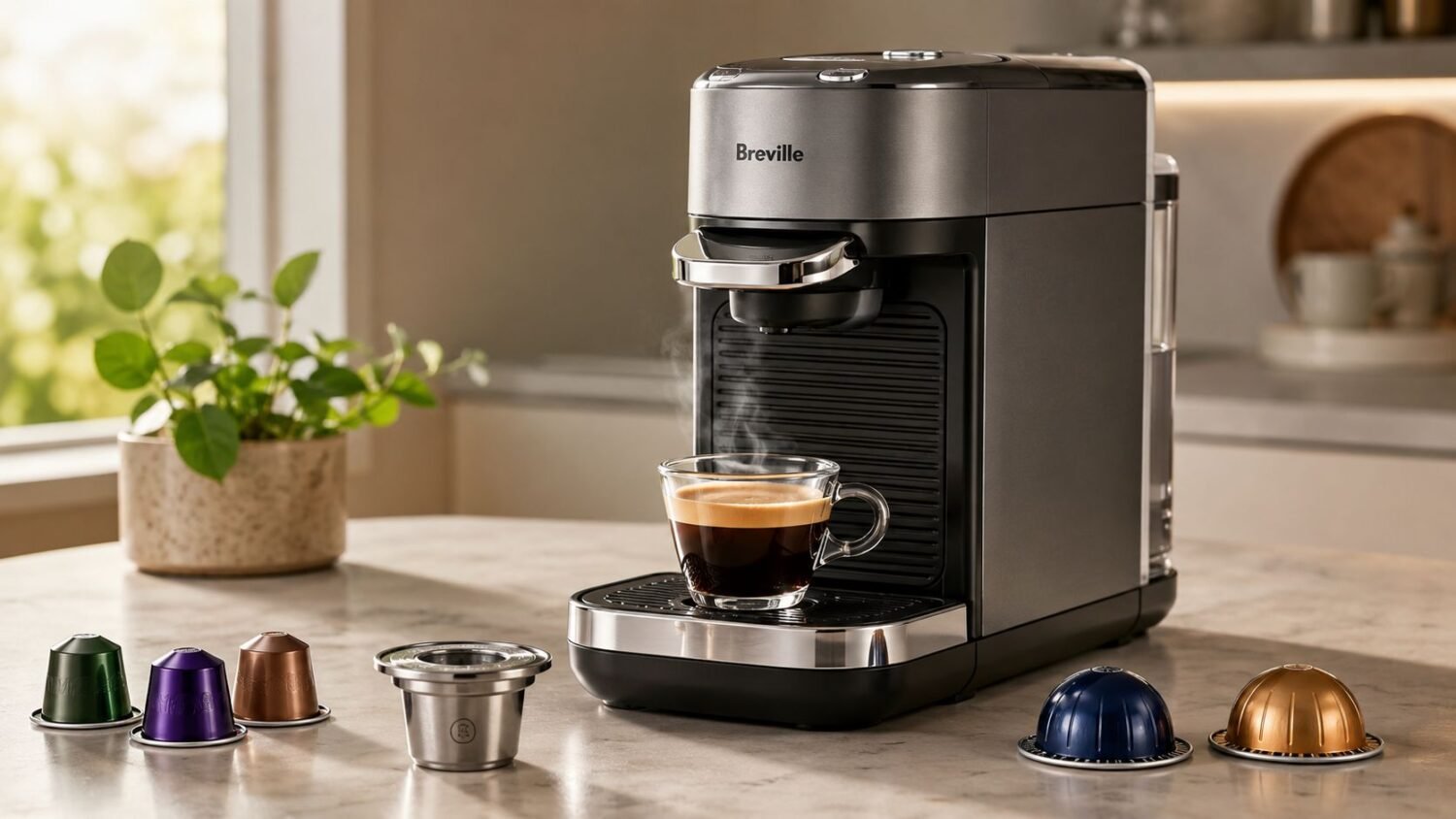
A misaligned pod basket creates an uneven surface that prevents the water from saturating the coffee grounds equally, leading to channeling. This happens when the pod isn’t centered or the basket mesh is clogged with old coffee oils. You can confirm this by removing the basket and inspecting the bottom for blocked holes or visible dents. If the mesh looks clean but the pod still sits at an angle, the basket rim may be slightly bent.
If the basket is simply dirty, soak it in hot water with a mild detergent for 10 minutes, then scrub the mesh gently with a soft brush. If the basket is physically damaged or dented, it can’t be fixed and must be replaced. This is a common mistake; trying to force a bent basket back into shape usually results in a worse seal. The cost of a replacement basket is low, typically comparable to the price of a few boxes of pods. Always check that the pod is flat before locking the handle, as even a small tilt can cause the water to find the path of least resistance. This isn’t for someone who prefers a “set and forget” machine, as consistent manual placement is the only way to ensure a balanced shot every time.
Rare mechanical issues and power problems
- Pump failure often presents as a loud, grinding noise that changes pitch when the machine tries to build pressure, indicating the motor is dying.
- Internal solenoid valve failure is rare but occurs if the valve sticks; this requires a trained technician to replace the electronic component safely.
- Blocked shower screens happen when fine coffee particles get lodged in the mesh, which you can fix by unscrewing the screen and soaking it in cleaning solution.
What a typical repair requires
Fixing espresso flow issues usually demands a combination of basic tools and patience. Most minor repairs, like replacing a rubber gasket or cleaning a shower screen, require only a flat-head screwdriver and a soft brush. These parts are inexpensive, often costing less than a standard bag of coffee beans. If the issue involves the pump or internal valves, the cost increases significantly, often approaching the price of a mid-range entry-level machine. The time required depends on your experience; a simple cleaning takes 15 minutes, while internal repairs can take several hours. You should always check your user manual first to see if the part is user-replaceable, as some manufacturers void the warranty if you open the machine casing yourself. When in doubt, contact the manufacturer’s support line to get a list of authorized repair centers in your area.
Frequently asked questions

Can I use any ESE pod in my machine?
Most machines using the ESE standard are compatible with any 44mm pod, but you should verify this in your manual. The standard 44mm size ensures a consistent fit, but some proprietary systems require a specific pod shape, so check your machine’s documentation to avoid damaging the internal brew group.
How long should an espresso shot take to flow?
A standard espresso shot should take between 25 and 30 seconds to extract, assuming you’re using a standard 7-gram pod. If your shot flows significantly faster or slower than this range, check for scale buildup or a worn gasket, as these factors directly affect the water pressure and contact time.
Is it safe to use a machine that leaks water?
It isn’t safe to use a machine that leaks water, as moisture can reach internal electrical components and cause a short circuit. If you see water pooling at the base of the machine, unplug it immediately and inspect the gasket or hose connections for visible cracks before attempting to use it again.
What happens if I don’t descale my machine?
Failure to descale your machine will eventually cause the internal pipes to clog completely, which stops the water flow and can burn out the pump motor. Mineral deposits harden over time, making it much harder to clear the blockage later, so regular maintenance is the only way to keep the machine functional.
Does the water temperature matter for flow?
Water temperature doesn’t directly change the flow speed, but it does change how the coffee extracts from the pod. If your machine isn’t reaching the correct temperature, the coffee will taste sour or thin, even if the flow rate appears to be within the normal range for your specific model.
How often should I replace the group head gasket?
You should replace the group head gasket every 12 to 18 months, depending on how often you brew. If the rubber feels hard or shows visible cracks when you touch it, it has lost its elasticity and will no longer create the tight seal required for proper espresso extraction.
Conclusion
If you’ve ruled out machine issues, try switching to a different brand of pods to see if the grind size makes a difference. Don’t worry if it takes a few tries to find the perfect fit. Once you’ve settled on a reliable brand, you’ll enjoy a consistent, café-quality cup every morning.
Related guides


One Comment