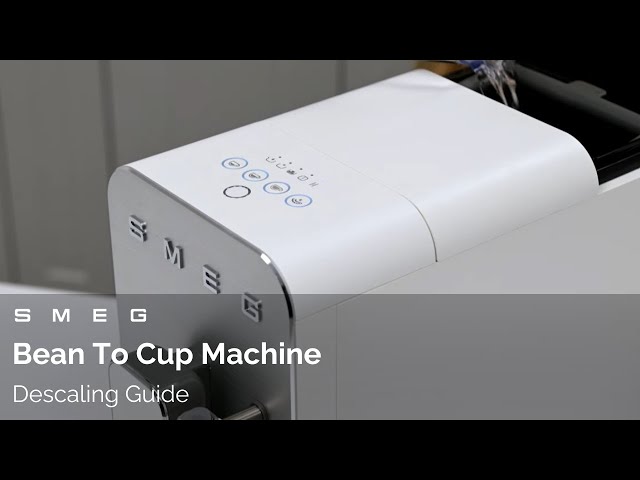
How to Descale a Bean-to-Cup Coffee Machine: Complete Guide
Regularly descaling your bean-to-cup coffee machine ensures optimal performance and great-tasting coffee.
There's nothing quite like the aroma and rich flavor of a freshly brewed cup from your bean-to-cup coffee machine. But for that perfect brew to continue, a little care goes a long way, especially when it comes to tackling the hidden enemy: limescale. As someone who has helped countless coffee lovers keep their machines in top shape, I know firsthand that learning how to descale a bean-to-cup coffee machine effectively is one of the most vital maintenance tasks you can undertake. It’s not just about cleaning; it’s about preserving the heart of your coffee experience and ensuring every sip is as delicious as the first. This guide will walk you through everything you need to know, from understanding why descaling is so important to mastering the process itself.
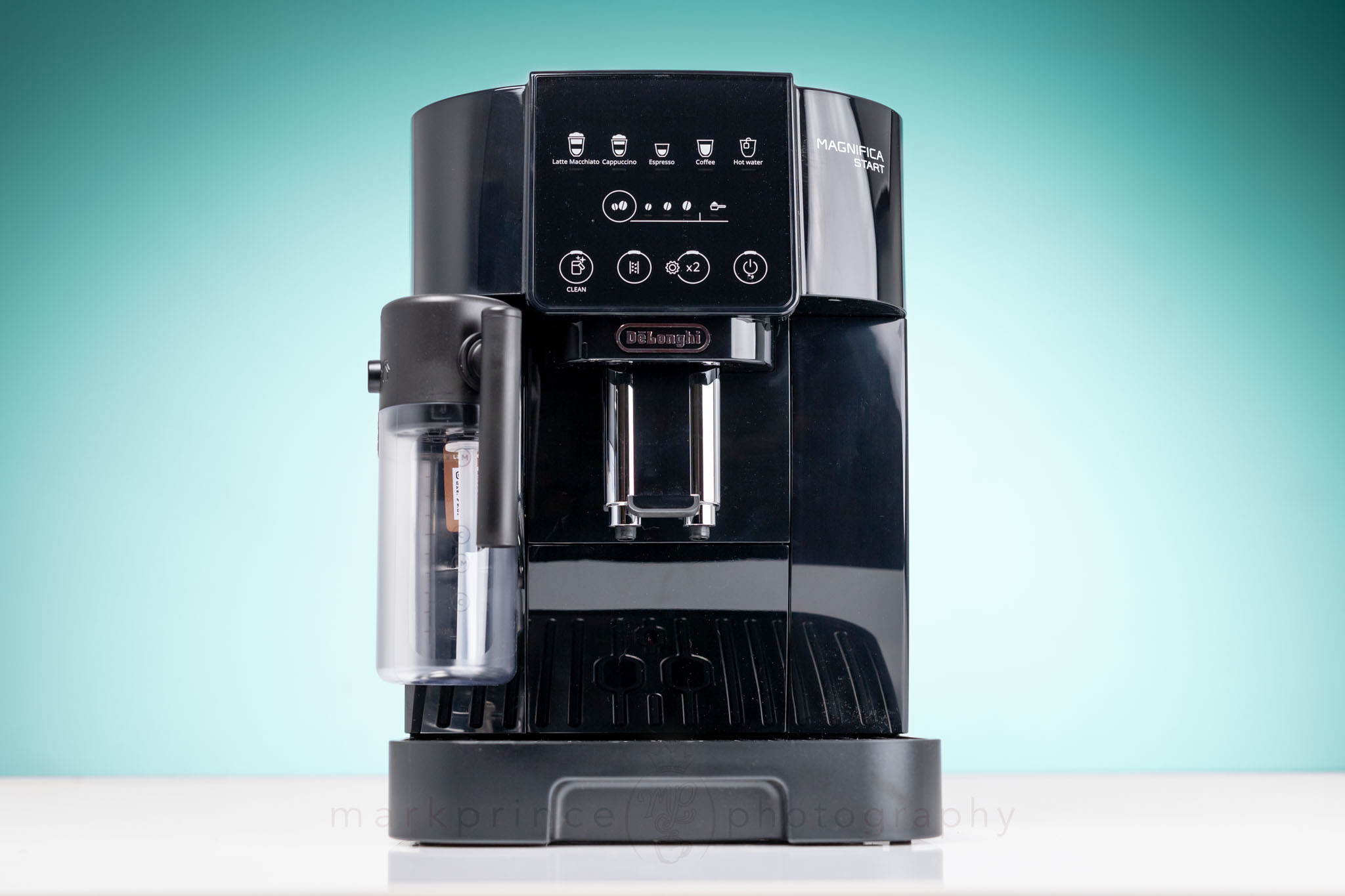
Why Descaling Your Bean-to-Cup Coffee Machine is Crucial
Descaling is the process of removing mineral deposits, primarily calcium carbonate (limescale), that build up inside your coffee machine over time. This limescale is the result of using hard water, which contains dissolved minerals. Think of it like a stubborn layer that coats the internal components, particularly the heating elements and water pipes. If left untreated, this buildup can seriously hinder your machine’s performance and, more importantly, the quality of your morning brew.
The impact of neglecting to descale a bean-to-cup coffee machine effectively is twofold. First, it directly affects the taste of your coffee. Limescale can impart a sour or metallic flavor, making your beloved espresso taste dull and uninspired. Secondly, it drastically reduces your machine's longevity. These mineral deposits can clog internal tubing, restrict water flow, and force the heating element to work harder, leading to inefficient operation, higher energy consumption, and eventually, costly breakdowns. I've seen machines literally choke on scale, refusing to produce more than a drip of coffee.
You'll notice signs like slower brewing, a reduced coffee temperature, or even strange noises coming from your machine. Many modern bean-to-cup machines also have an indicator light that will prompt you when it's time to descale. Taking swift action at these signals is key to preserving your machine's health and your coffee’s integrity.

Choosing the Right Descaling Solution
Selecting the correct descaling solution is paramount for the health and longevity of your bean-to-cup coffee machine. While there are a few options available, not all are created equal, and using the wrong one can do more harm than good. Most coffee machine manufacturers produce their own descaling solutions, which are specifically formulated to be safe and effective for their machines. These commercial descalers typically contain a blend of mild acids, like lactic acid or citric acid, which dissolve limescale without corroding internal components.
When it comes to natural alternatives, vinegar is often mentioned, but I strongly advise against using it for bean-to-cup machines. While vinegar is an acid and can dissolve limescale, its strong odor can linger in the machine, affecting the taste of your coffee for many brews to come. More importantly, vinegar can be too aggressive for the delicate rubber seals and plastic parts found in many modern coffee machines, potentially causing damage or premature wear. Citric acid powder, on the other hand, can be a safer natural option if mixed correctly, but still carries risks if concentrations are off.
My personal recommendation, based on years of experience, is to always stick to the descaling solution recommended by your coffee machine's manufacturer. These solutions are designed to work in harmony with your specific machine, ensuring effective descaling without any unintended side effects. Using an approved descaler guarantees you'll descale a bean-to-cup coffee machine effectively and safely. Always read the instructions on both your descaler and your machine's manual.

Step-by-Step Guide: How to Descale a Bean-to-Cup Coffee Machine Effectively
Descaling your bean-to-cup coffee machine effectively is a straightforward process once you know the steps. Most machines have an automatic descaling program, which makes the job much easier. Here’s a general guide that applies to most models, but always refer to your specific machine's manual for precise instructions.
-
Preparation is Key:
- First, make sure your machine is turned on and ready.
- Empty the water reservoir, coffee grounds container, and drip tray. Give them a quick rinse.
- Remove any water filters from the water tank. If your machine has a bypass for the filter during descaling, ensure it's set correctly.
-
Mix and Load the Solution:
- Pour the recommended amount of descaling solution into the water reservoir.
- Fill the rest of the reservoir with fresh water up to the indicated "descale" or "max" level.
- Place a large container (at least 60 oz or 1.8 liters) under the coffee spout and steam wand to collect the descaling mixture.
-
Start the Descaling Cycle:
- Initiate the descaling program. This usually involves pressing a specific button, often indicated by a "descale" icon or by following prompts on the machine's display.
- The machine will then start pumping the descaling solution through its internal system in intervals, allowing the acid to break down the limescale. This process can take anywhere from 20 to 45 minutes, depending on your machine.
- It's fascinating to watch the cloudy, sometimes colored, water drain into the collection container, evidence of the limescale being flushed out.
-
Thorough Rinsing Cycles:
- Once the descaling solution has run through, the machine will prompt you to rinse. This step is crucial to flush out any residual descaling agent and loosened scale.
- Empty and rinse the collection container and the water reservoir thoroughly.
- Refill the water reservoir with fresh, clean water.
- Place the large container back under the spouts.
- Run at least two full rinse cycles using only clean water. Many machines will guide you through this automatically. Do not skip these rinse cycles, as any lingering descaler can affect taste and potentially be harmful.
-
Final Touches:
- After the rinse cycles are complete, refill the water reservoir with fresh water and reinsert your water filter if you use one.
- Make a "dummy" shot or two of coffee using just water, without any coffee grounds, to ensure all traces of the descaling solution are gone before you brew your next cup.
- Clean any external parts and enjoy your now pristine machine and the delicious coffee it will produce! Following these steps will help you descale a bean-to-cup coffee machine effectively every time.

How Often Should You Descale? Understanding Your Machine's Needs
Determining how frequently you need to descale a bean-to-cup coffee machine effectively depends on several factors, not just a one-size-fits-all schedule. While manufacturers often provide recommendations (typically every 2-3 months), these are general guidelines. Your actual descaling frequency should be tailored to your specific usage and local water conditions.
The biggest factor is the hardness of your tap water. If you live in an area with very hard water, you'll need to descale more often, perhaps monthly or every six weeks. Conversely, if your water is soft, you might get away with descaling every four months. Many bean-to-cup machines come with a water hardness test strip, allowing you to program your machine to alert you based on your water quality. This is an excellent feature that takes the guesswork out of maintenance.
Another consideration is how often you use your machine. A household that brews multiple cups daily will accumulate limescale much faster than someone who only uses their machine a few times a week. Your machine's built-in indicators are your best friend here; pay attention to them. When the descaling light illuminates, it's a clear signal that it's time to act. Don't put it off, as delaying can lead to harder-to-remove scale. Being proactive and regularly descaling your bean-to-cup coffee machine effectively is a simple habit that pays off in perfect coffee and a long-lasting machine.
Troubleshooting Common Descaling Issues
Even when you follow the instructions to descale a bean-to-cup coffee machine effectively, you might occasionally encounter a hiccup or two. Don't worry, many common issues have simple solutions.
One frequent problem is the descaling cycle not starting or completing. Often, this is due to an overlooked step, such as not emptying the drip tray or not filling the water reservoir to the correct level with the descaling solution. Sometimes, placing the collection container incorrectly can also interfere with sensors. Always double-check these basic preparations before assuming a larger problem.
Another common complaint is a residual, off-putting taste after descaling. This almost always indicates that the rinse cycles weren't sufficient. The descaling solution, even mild ones, can leave a lingering flavor if not completely flushed out. The solution is simple: run additional rinse cycles with fresh water until no trace of the descaler remains. Making a few "dummy" espresso shots with just water can also help ensure the system is completely clear.
If your machine still shows the descaling alert after you've completed the process, it might be that the sensor wasn't reset. Most machines require a specific button press or sequence to clear the descaling notification. Refer to your user manual, as this step varies greatly between models. In my experience, skipping the manual is often the biggest mistake. It truly holds all the secrets to your machine’s proper functioning. Always ensure you descale a bean-to-cup coffee machine effectively by completing all programmed steps and confirming the reset.

Frequently Asked Questions of How do I descale a bean-to-cup coffee machine effectively?
Can I use vinegar to descale my bean-to-cup coffee machine?
It is generally not recommended to use vinegar for descaling bean-to-cup coffee machines. Vinegar can be too harsh on internal components, potentially damaging rubber seals and plastic parts, and its strong odor can be very difficult to completely flush out, affecting future coffee taste.
How often should I descale my coffee machine?
The frequency depends on your water hardness and machine usage. Typically, descaling is recommended every 1-3 months, but your machine’s indicator light and your specific water quality should be your primary guide.
What happens if I don't descale my bean-to-cup machine?
Neglecting to descale leads to limescale buildup, which can clog water lines, reduce coffee temperature, slow brewing, impart an off-taste to your coffee, and ultimately shorten the lifespan of your machine.
How long does the descaling process usually take?
The entire descaling process, including rinse cycles, usually takes between 30 minutes to an hour, depending on your machine model and the number of rinse cycles required.
Do all bean-to-cup machines have a descaling program?
Most modern bean-to-cup coffee machines come equipped with an automated descaling program. However, it's always best to consult your machine's user manual to understand its specific descaling procedure.
Conclusion
Keeping your bean-to-cup coffee machine in pristine condition is simpler than you might think, and mastering how to descale a bean-to-cup coffee machine effectively is the cornerstone of its maintenance. By understanding the critical role descaling plays, choosing the right solution, and following a few straightforward steps, you can prevent limescale buildup, ensure optimal performance, and consistently enjoy exceptional coffee. Don't let mineral deposits compromise your morning ritual or shorten the life of your valuable appliance. Make descaling a regular part of your machine care routine, and you'll be rewarded with perfectly brewed coffee, cup after delicious cup. Take a moment to check your machine's manual, mark your calendar for your next descaling, and share your own maintenance tips in the comments below!