
Bunn Coffeemaker 1-2 Cups: Small Batch Home Brewing Tips
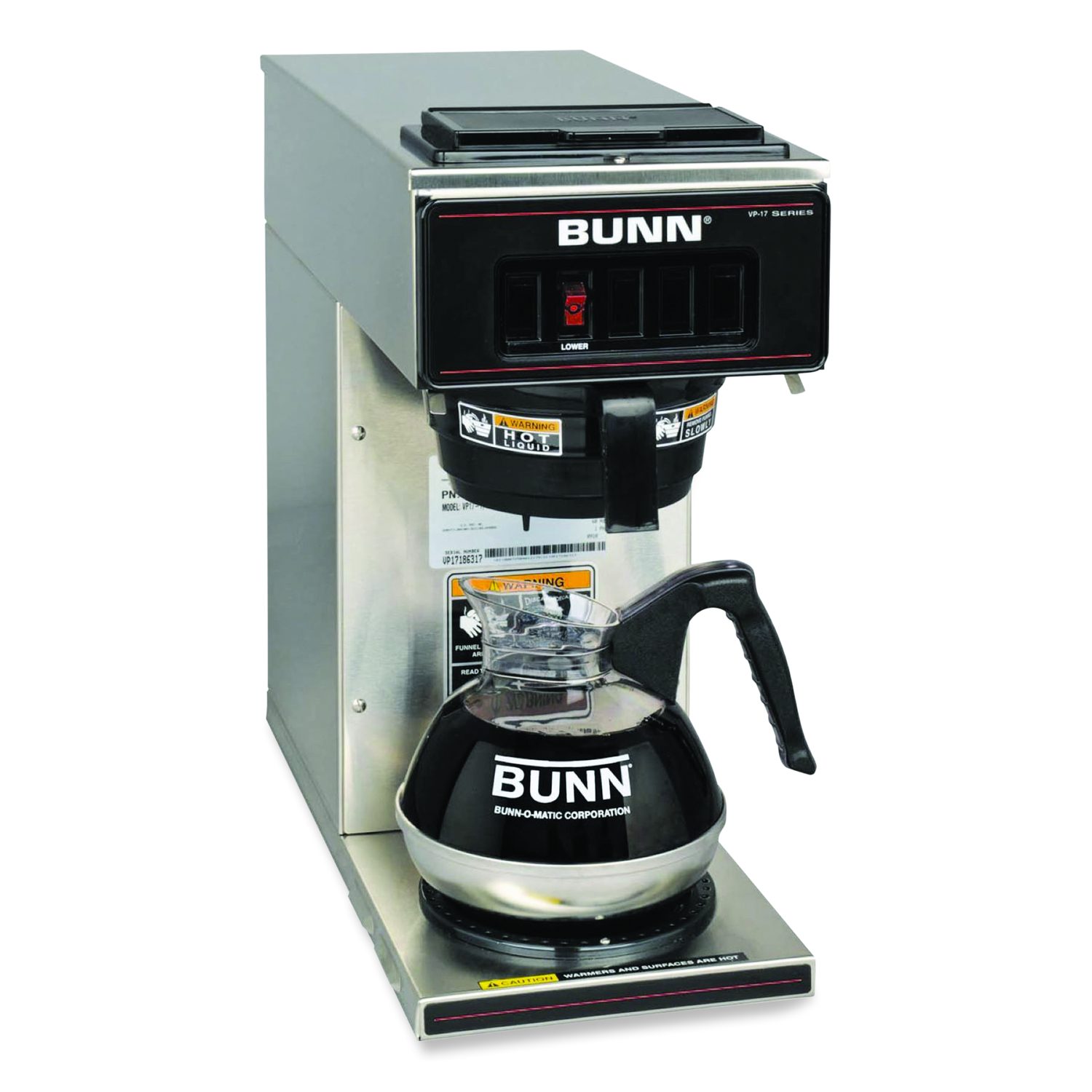
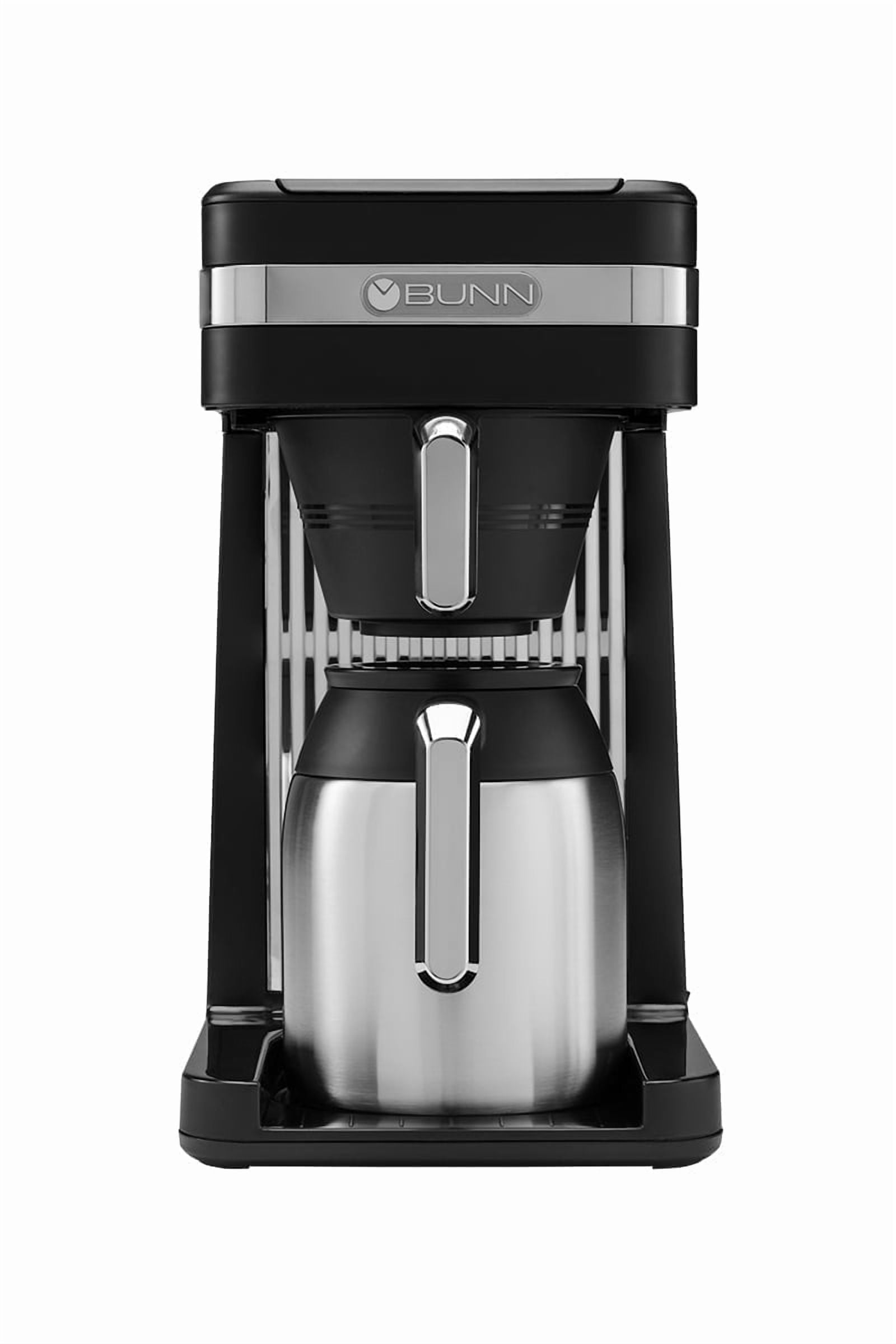
Brewing 1-2 cups on a Bunn coffeemaker like the VP17 or Speed Brew for home use requires specific adjustments to coffee grounds, water volume, and brewing technique to ensure optimal flavor and strength.
Many coffee enthusiasts appreciate the rapid brewing and consistently hot coffee that Bunn coffeemakers deliver, making them a staple in countless homes and commercial settings. However, when the desire strikes for just a single or double cup, adapting these machines, which are often optimized for larger batches, can present a unique challenge. This comprehensive guide will delve into the nuances of brewing small batches on your Bunn VP17 or Speed Brew, transforming your single-serve experience from a watery disappointment into a rich, aromatic delight. We'll explore expert techniques, essential adjustments, and insider tips to help you master the art of brewing 1-2 cups on your Bunn coffeemaker, ensuring every small batch is as perfect as a full pot.
Understanding Your Bunn Coffeemaker: VP17 vs. Speed Brew
Bunn coffeemakers are renowned for their unique design, which centers around a constantly heated hot water reservoir. This ingenious feature ensures that water is always at the optimal brewing temperature, allowing for incredibly fast brew times – often under three minutes. While this efficiency is fantastic for high-volume needs, it's crucial to understand how this core mechanism differs between models like the VP17 and the residential Speed Brew when considering small batch brewing.
The Bunn VP17, a commercial-style pourover machine, operates by manually adding cold water to a top funnel, which then displaces an equal amount of hot water from the internal tank, sending it over your coffee grounds. Its robust design and larger spray head are typically geared towards brewing full pots, making adjustments for a single cup paramount. In contrast, the Bunn Speed Brew models, designed specifically for home use, maintain the same rapid brewing principle but often feature slightly smaller components and may include indicators or baskets better suited for varying batch sizes. Despite these differences, both Bunn coffeemakers rely on gravity drip, meaning water flows quickly through the grounds, necessitating precise adjustments to achieve a balanced extraction for 1-2 cups.

The Challenge of Small Batch Brewing on a Bunn
Bunn coffeemakers excel at brewing larger volumes, typically 8-10 cups, due to their spray head design and funnel size. When you attempt to brew only 1-2 cups, the primary challenge lies in achieving proper saturation and extraction with a significantly reduced amount of coffee grounds. The broad spray head, designed to cover a wide bed of coffee, may not adequately wet a small mound of grounds in the center of the filter, leading to uneven extraction and a weak, underdeveloped flavor profile.
A common issue I've encountered when brewing small batches on a Bunn coffeemaker is the dreaded "donut effect," where the hot water bypasses the outer edges of the coffee bed, only saturating the center. This results in under-extracted coffee, lacking body and depth. Furthermore, using too little coffee in a standard filter can sometimes cause the filter paper to collapse, leading to coffee grounds in your cup and an even poorer brew. overcoming these hurdles requires a strategic approach to coffee quantity, grind size, and filter placement to ensure the water makes consistent contact with all the grounds.
Essential Gear and Preparations for 1-2 Cups
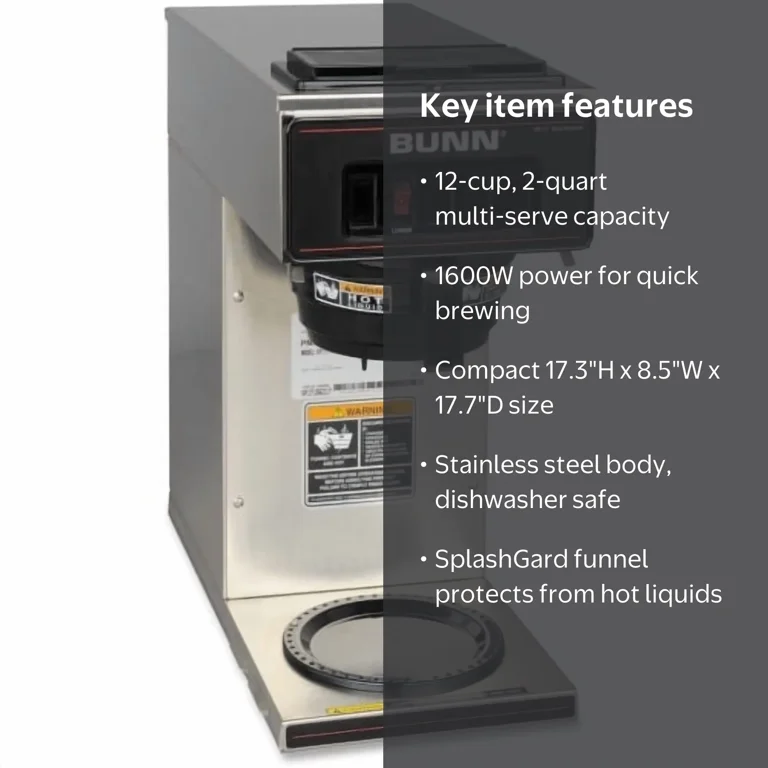
Achieving an excellent small batch on your Bunn coffeemaker starts before the brew cycle even begins. The right tools and meticulous preparation are key to success.
Selecting the Right Coffee Grounds
The quality and preparation of your coffee grounds are paramount. Always start with fresh, whole beans, and grind them just before brewing. For a Bunn coffeemaker, a medium-coarse grind is generally recommended. This grind size allows water to flow through at an optimal rate, preventing over-extraction (bitterness) or under-extraction (weakness). When brewing 1-2 cups, I've found that using freshly ground beans makes a monumental difference in aroma and taste, even more so when brewing smaller amounts where every variable has a magnified impact.
Choosing the Correct Filter Basket
Bunn machines typically come with a standard, larger filter basket designed for full pots. For brewing 1-2 cups, you might need to adapt. Some Bunn residential models (Speed Brew) come with a "Smart Funnel" or a similar basket designed to improve small batch brewing by better directing water flow. If your Bunn coffeemaker, particularly a VP17, has a standard commercial basket, you'll need to carefully place your smaller amount of coffee grounds in the center of a high-quality, sturdy paper filter to ensure the spray head can adequately saturate them. Using Bunn brand filters is often recommended as they are designed for the machine's flow rate and size, reducing the risk of collapse.
Water Quality and Temperature
While your Bunn coffeemaker expertly handles temperature, the quality of your water is entirely up to you. Filtered water is always superior to tap water, as it prevents mineral buildup in your machine and allows the true flavors of your coffee to shine through. Impurities in tap water can impart off-flavors, masking the subtle notes in your coffee. Since the Bunn's internal heater maintains optimal brewing temperature, you only need to focus on ensuring your water reservoir is consistently full with clean, fresh water.
Step-by-Step Guide: Brewing 1-2 Cups on a Bunn VP17
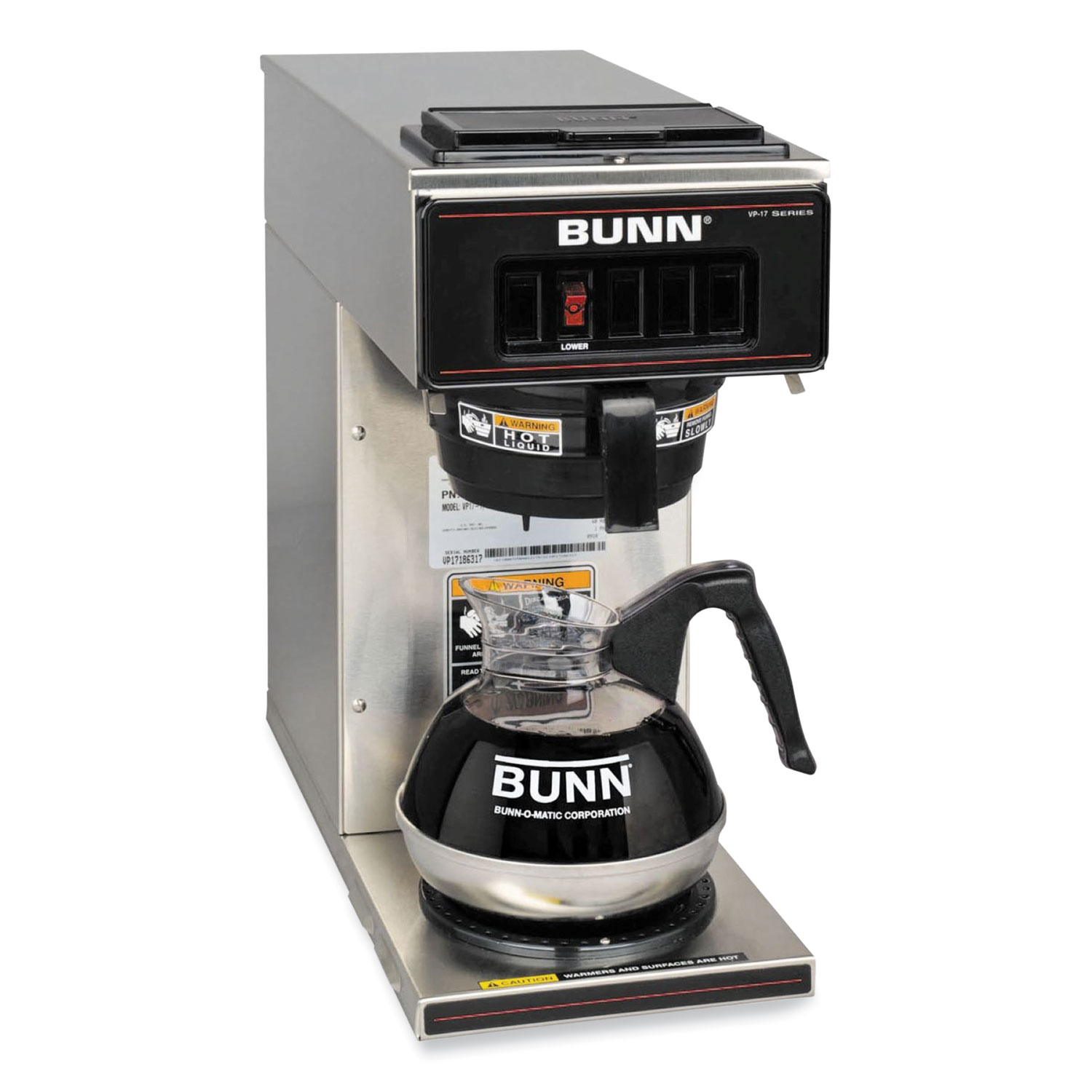
The Bunn VP17 is a workhorse, and with a few specific adjustments, it can consistently produce excellent small batches.
Pre-Brew Setup
Before you begin, ensure your Bunn VP17 is fully heated and ready. The reservoir should be full, and the heating element should have brought the water to optimal brewing temperature. Place your preferred small carafe or two mugs directly under the brew funnel. Using a pre-warmed mug or carafe can help maintain coffee temperature, which is especially important for smaller volumes that cool faster.
Precise Coffee-to-Water Ratio
For 1-2 cups, precision is key. A good starting point for your coffee-to-water ratio is typically 1:15 to 1:18 (coffee to water by weight). For example, if you aim for roughly 300-400ml (approximately 10-13.5 fluid ounces) of coffee, you would use about 18-26 grams of coffee grounds. Always use a kitchen scale to measure your coffee precisely; eyeballing it often leads to inconsistent results. This exact measurement is crucial for preventing weak coffee from your Bunn coffeemaker.
Optimizing the Brew Funnel
This is where technique makes a significant difference for small batches on a Bunn coffeemaker. Place a high-quality paper filter into the brew funnel. Then, carefully pour your measured coffee grounds into the center of the filter, forming a small, even bed. Avoid spreading the grounds too thinly across the entire filter surface. The goal is to create a compact "target" area for the spray head. This focused placement helps ensure that the smaller volume of water from the VP17's displacement system fully saturates all the grounds, leading to better extraction.
The Pour-Over Process (VP17 specific)
Once your grounds are ready, close the brew funnel and slide it into place. Now, carefully pour the exact amount of cold, filtered water you want to brew (e.g., 300-400ml) into the top reservoir of the VP17. The machine will instantly displace an equal volume of hot water from its internal tank, sending it over your coffee grounds. The rapid brewing action will begin almost immediately. Observe the stream of coffee flowing into your waiting vessel.
Post-Brew Care
Once the brewing cycle is complete, carefully remove the brew funnel and discard the used grounds and filter. A quick rinse of the funnel will keep your Bunn coffeemaker clean and ready for its next use. Savor your perfectly brewed 1-2 cups of coffee, knowing you've mastered the art of small batch brewing on a robust machine.
Step-by-Step Guide: Brewing 1-2 Cups on a Bunn Speed Brew
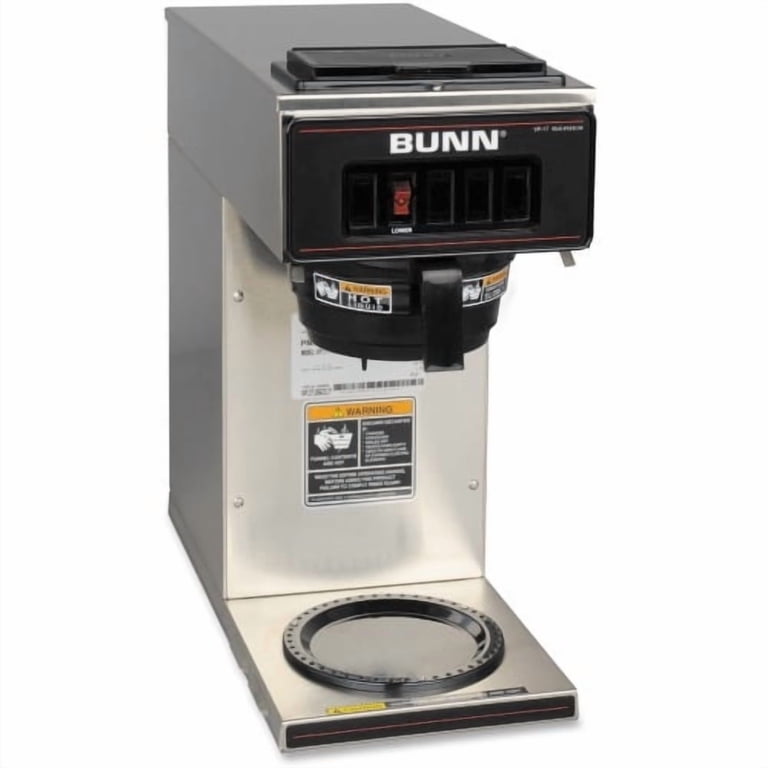
Bunn Speed Brew models are designed with home users in mind, often making small batch brewing slightly more intuitive, but precision is still vital.
Pre-Brew Setup
Similar to the VP17, ensure your Bunn Speed Brew machine is fully heated and ready for brewing. The internal reservoir should be at temperature, indicated by the readiness light. Place your chosen mug or a small carafe directly on the drip tray. Pre-warming your mug is a simple yet effective step to keep your coffee hotter for longer.
Precise Coffee-to-Water Ratio
The coffee-to-water ratio remains critical for Speed Brew models. For brewing 1-2 cups, I typically recommend starting with the same 1:15 to 1:18 ratio. This means using about 18-26 grams of coffee for 300-400ml of water. Many Speed Brew models have clear fill lines on the carafe or the water reservoir, which can be helpful. However, for precise small batches, measure your water volume accurately using a measuring cup before pouring it into the machine's reservoir.
Optimizing the Brew Funnel
Insert a fresh paper filter into the brew funnel. As with the VP17, place your measured coffee grounds in the center of the filter. If your Speed Brew came with a "Smart Funnel" or a similar accessory, use it, as these are often designed to improve water distribution over smaller coffee beds. Ensuring the grounds are centered and slightly mounded will maximize contact with the spray head and prevent weak coffee.
The Automatic Brewing Process (Speed Brew specific)
Once the coffee grounds are in place and the funnel is secured, simply pour your measured cold water into the top reservoir of your Bunn Speed Brew. The machine will automatically sense the water and begin its rapid brewing cycle, displacing hot water from its internal tank over the grounds. The coffee will quickly dispense into your mug or carafe below.
Adjusting for Taste
The beauty of brewing at home is the ability to customize. If your 1-2 cups taste too weak, try adding a gram or two more coffee or a slightly finer grind next time. If it's too strong or bitter, reduce the coffee amount or coarsen the grind slightly. My years of brewing have taught me that consistency in measurement is the bedrock of a great cup, but personal preference guides the final adjustments.

Advanced Tips and Troubleshooting for Small Batches
Even with the best techniques, brewing 1-2 cups on a Bunn coffeemaker can sometimes require a little finessing. Here are some advanced tips and troubleshooting insights.
Addressing Weak Coffee
If your small batch coffee consistently tastes weak, there are a few avenues to explore. First, ensure your coffee-to-water ratio is robust enough; increasing the coffee dose by 1-2 grams can make a noticeable difference. Second, check your grind size; if it's too coarse, the water passes through too quickly without extracting enough flavor. A slightly finer grind might be beneficial, but be cautious not to go too fine, as this can lead to over-extraction and bitterness. Lastly, confirm your Bunn coffeemaker is fully preheated before brewing, as optimal water temperature is crucial for proper extraction.
Preventing Filter Collapse
Filter collapse is a frustrating issue that leads to muddy coffee. This often occurs when there isn't enough coffee mass to support the filter walls against the force of the water, especially in larger baskets. To prevent this, always use high-quality, sturdy paper filters designed for your Bunn machine. Bunn brand filters are generally thicker and more robust. Ensure the filter is properly seated against the walls of the funnel. For very small batches, some users find success by gently pleating the top edge of the filter to create a slightly stiffer "collar" before adding coffee.
Leveraging the Hot Water Spigot (if available)
Many Bunn coffeemaker models, particularly commercial ones like the VP17, feature a hot water spigot. This can be incredibly useful for pre-warming your mugs or carafe. Hot coffee poured into a cold cup will lose several degrees of temperature almost instantly, impacting its flavor profile. A quick rinse with hot water from the spigot before brewing ensures your coffee stays hotter for longer, enhancing your enjoyment of those carefully brewed 1-2 cups.
Consistency is Key
The most powerful tool in your small batch brewing arsenal is consistency. Measure your coffee grounds by weight, measure your water by volume, and consistently place your grounds in the same spot in the filter. I've observed that even minor deviations can alter the final taste. By making one change at a time and noting the results, you can dial in your perfect recipe for brewing 1-2 cups on your Bunn coffeemaker, making every sip a predictable pleasure.
Frequently Asked Questions about Brewing 1-2 Cups on a Bunn
Can I use less water in my Bunn to make stronger coffee?
While it seems logical, simply using less water in a Bunn coffeemaker will likely result in a weaker brew, not a stronger one. The machine's design for displacement means it will still dispense a full stream of water, which might not fully saturate the reduced coffee grounds, leading to under-extraction.
Do I need special filters for small batches?
While not strictly "special," it is highly recommended to use high-quality, sturdy paper filters specifically designed for Bunn coffeemakers. These filters are built to withstand the machine's rapid flow rate and reduce the risk of collapse, especially when brewing smaller amounts of coffee.
Why does my coffee taste weak when I brew only one cup?
Your coffee tastes weak because the smaller amount of grounds isn't getting fully and evenly saturated by the wide spray head of the Bunn coffeemaker. This leads to under-extraction, where not enough flavor is pulled from the coffee.
How much coffee should I use for a single cup?
For a single cup (approximately 8-10 fluid ounces or 240-300ml), a good starting point is around 15-20 grams of coffee grounds. Adjust this amount based on your personal preference for strength.
Is it bad for my Bunn machine to brew small amounts regularly?
No, it is generally not bad for your Bunn coffeemaker to brew small amounts regularly. The machine is designed to heat and dispense water, and brewing smaller volumes doesn't put any undue stress on its components.
Conclusion
Mastering the art of brewing 1-2 cups on your Bunn coffeemaker, whether it's a robust VP17 or a convenient Speed Brew, is entirely achievable with the right knowledge and a dash of precision. By understanding the unique mechanics of your Bunn coffeemaker and implementing specific adjustments to your coffee-to-water ratio, grind size, and grounds placement, you can consistently enjoy perfectly extracted, flavorful small batches. Gone are the days of settling for weak or uneven coffee; embrace the tailored techniques discussed to elevate your morning ritual. Experiment with these methods, fine-tune them to your personal taste, and discover the full potential of your Bunn coffeemaker for any serving size. For further tips and to share your own brewing successes, don't hesitate to engage with fellow coffee enthusiasts in online forums or communities.
9 Comments