How Can Coffee Machines Add Flavor To Coffee: Unlock Richer Taste
Coffee machines do far more than simply heat water; they are sophisticated instruments that significantly influence and even "add" to the final flavor profile of your brew by precisely controlling key variables like water temperature, pressure, contact time, and water quality. By optimizing these factors, a good coffee machine unlocks the full spectrum of aromas and tastes inherent in your coffee beans, transforming a simple beverage into a rich, nuanced experience.
For many Americans, that first cup of coffee is an essential start to the day, and the machine making it plays a crucial role in delivering that perfect flavor. Understanding how your coffee machine works can help you elevate every single sip.

Decoding Coffee Flavor: The Basics
Before diving into how machines contribute, it's helpful to understand what "flavor" in coffee truly means. It's a complex interplay of several elements:
- Aroma: The fragrant scent of coffee, contributing significantly to taste perception. Think floral, fruity, nutty, or chocolatey notes.
- Acidity: Not to be confused with sourness, coffee acidity provides brightness and liveliness, akin to citrus or berry notes.
- Body: The mouthfeel or weight of the coffee. It can range from light and tea-like to full and syrupy.
- Sweetness: Natural sugars in coffee that can present as caramel, honey, or chocolate.
- Bitterness: A natural component of coffee, but excessive bitterness usually indicates over-extraction or poor quality.
- Balance: How harmoniously all these elements combine.
The goal of any coffee machine is to extract these desirable flavor compounds from the ground coffee beans effectively, without over-extracting (leading to bitterness) or under-extracting (leading to sourness and weakness).
Precision Temperature Control: The Heart of Flavor Extraction
In countless American households and cafes, consistent temperature is perhaps the most critical factor a coffee machine manages to deliver delicious coffee. Your machine's ability to maintain a stable water temperature directly impacts how flavors are extracted from coffee grounds.
How it Adds Flavor:
Water that is too cool will under-extract the coffee, resulting in a weak, sour, or flat taste. Conversely, water that is too hot can over-extract, leading to a bitter, burnt, or acrid flavor. High-quality coffee machines use advanced heating elements and temperature sensors to ensure the water stays within the ideal brewing range of 195°F to 205°F (90°C to 96°C). This precise temperature allows for optimal solubility of the coffee's flavor compounds, ensuring a balanced and full-flavored brew. Consistent temperature throughout the brew cycle means an even and complete extraction.

Optimal Pressure and Flow: Crafting Intensity and Texture
From bustling New York City cafes to quiet suburban kitchens, the pressure exerted by espresso machines is a game-changer for flavor, radically different from the gravity-fed flow of a drip machine. The method of water delivery, whether by pressure or gentle flow, profoundly impacts the flavor and texture of your coffee.
How it Adds Flavor:
- Espresso Machines: These machines utilize high pressure (typically 9 bars) to force hot water through finely ground coffee. This intense pressure rapidly extracts concentrated flavors, oils, and dissolved solids, creating the iconic crema—a reddish-brown foam that caps a shot of espresso. Crema contributes to the rich mouthfeel and captures volatile aromatics, adding depth and complexity. Without proper pressure, espresso would lack its signature intensity and body.
- Drip and Pour-Over Machines: While not using high pressure, these machines often feature specialized showerheads or pulse brewing techniques. A good showerhead disperses water evenly over the coffee grounds, ensuring every particle is saturated uniformly. Pulse brewing, where water is delivered in short bursts, allows the coffee grounds to "bloom," releasing trapped gases and preparing them for better extraction, which enhances the overall flavor.

Grind Consistency and Freshness: The Foundation of Taste
For coffee lovers across the USA, the grind of their coffee beans is a silent hero in the quest for perfect flavor. Many advanced coffee machines, especially bean-to-cup models, feature integrated grinders that offer significant advantages.
How it Adds Flavor:
- Freshness: Coffee begins to lose its flavor compounds as soon as it's ground, due to oxidation. Grinding beans just before brewing ensures you capture their peak freshness and aromatic potential. Machines with built-in grinders provide this immediate freshness, resulting in a more vibrant and flavorful cup.
- Consistency: The grind size must be uniform for even extraction. If grounds are inconsistent (some too fine, some too coarse), you'll get a mix of over-extracted and under-extracted flavors, leading to an unbalanced and often unpleasant taste. High-quality conical burr grinders found in better machines produce a consistent grind, allowing for uniform extraction and a harmonious flavor profile. Different brewing methods also demand specific grind sizes; the machine helps achieve this precision.

Water Quality and Filtration: A Pure Foundation for Flavor
The daily ritual for millions of Americans involves water—the often-overlooked ingredient that makes up over 98% of your coffee. The quality of the water your machine uses is paramount to the final taste of your brew.
How it Adds Flavor:
Tap water often contains minerals, chlorine, and other impurities that can impart off-flavors to your coffee, masking its natural nuances. A coffee machine equipped with a water filter, or one that uses filtered water, removes these unwanted elements. This ensures the water is a neutral solvent, allowing the true flavors of the coffee beans to shine through without interference. Clean, fresh water helps to properly dissolve the desirable compounds, leading to a cleaner, brighter, and more authentic coffee taste.

Pre-infusion and Bloom Cycles: Unlocking Deeper Notes
As coffee enthusiasts throughout America know, patience can be a virtue, especially when it comes to brewing. Some coffee machines incorporate features like pre-infusion or bloom cycles, which, while adding a few extra seconds to the process, significantly enhance flavor.
How it Adds Flavor:
Pre-infusion involves saturating the coffee grounds with a small amount of low-pressure water just before the main brewing cycle begins. This allows the grounds to expand evenly and release trapped carbon dioxide gas—a process known as "blooming." By releasing these gases, the coffee bed becomes more receptive to the subsequent water flow, leading to a more uniform and efficient extraction of flavors. This results in a smoother, more balanced cup with a deeper, more nuanced flavor profile, preventing channeling (where water finds paths of least resistance, leading to uneven extraction).

Materials and Cleanliness: Preventing Unwanted Tastes
Every coffee machine in America, from the simplest drip brewer to the most sophisticated espresso maker, is a potential source of flavor contamination if not properly maintained. The materials your coffee machine is made from and its cleanliness directly impact flavor.
How it Adds Flavor (or Prevents Bad Flavor):
- Material Quality: High-quality machines often use materials like stainless steel or borosilicate glass for brewing components. These materials are non-reactive, meaning they won't impart metallic or plastic-y tastes to your coffee. Cheaper plastics, especially when exposed to hot water, can leach undesirable flavors into your brew over time.
- Cleanliness: Residue from old coffee oils and mineral deposits (scale) can build up inside your machine. These residues turn rancid and can impart bitter, stale, or sour notes to your fresh coffee, completely ruining its flavor. Regular cleaning and descaling prevent this buildup, ensuring that only the pure, intended flavors of your coffee beans make it into your cup. A clean machine is essential for a clean taste.

Choosing a Coffee Machine for Optimal Flavor
Selecting the right machine for your home in the US can dramatically change your coffee experience. Different types of coffee machines excel at delivering flavor in various ways:
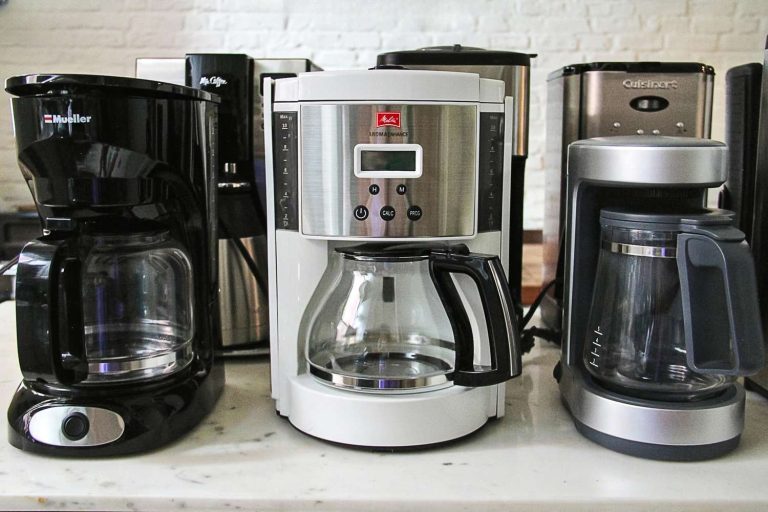
- Drip Coffee Makers: Look for models with precise temperature control, a wide showerhead for even water distribution, and a bloom cycle option. Thermal carafes are better than glass ones sitting on a hot plate, as the latter can "cook" the coffee and degrade flavor.
- Espresso Machines: Prioritize consistent pressure (9 bar is standard), a stable temperature, and a good portafilter and basket. Semi-automatic machines offer more control over extraction variables, allowing you to fine-tune flavor.
- Bean-to-Cup Machines: These offer convenience with integrated grinders. Ensure the grinder is a conical burr grinder for consistent particle size. Look for pre-infusion options.
- Pour-Over and French Press: While less automated, the quality of your kettle (temperature control) and grinder are paramount. These methods allow for maximum control over immersion and flow, directly impacting flavor.
Common Mistakes That Undermine Coffee Machine Flavor
Even the best coffee machine in America can't overcome fundamental brewing errors. Avoid these common pitfalls to maximize your coffee's flavor potential:
- Using Stale or Pre-Ground Coffee: Freshly roasted beans, ground just before brewing, are non-negotiable for superior flavor.
- Incorrect Grind Size: Too fine for the method leads to bitterness; too coarse leads to weakness. Match your grind to your brewing method.
- Poor Water Quality: Using unfiltered tap water can introduce off-flavors.
- Neglecting Cleaning and Descaling: Built-up oils and minerals will make your coffee taste bad. Clean your machine regularly.
- Wrong Water Temperature: Water outside the 195-205°F range will result in under- or over-extraction.
- Overfilling or Underfilling the Basket: Use the correct coffee-to-water ratio for optimal extraction.
Next Steps: Elevate Your Home Brewing
Now that you understand how your coffee machine contributes to flavor, consider these actions:
- Read Your Machine's Manual: Understand its specific features for temperature control, pre-infusion, or cleaning cycles.
- Invest in Good Beans: Start with high-quality, freshly roasted whole beans.
- Grind Fresh: If your machine doesn't have a grinder, consider a separate burr grinder.
- Use Filtered Water: This simple step can dramatically improve taste.
- Clean Regularly: Establish a routine for daily rinsing, weekly cleaning, and monthly descaling.
By paying attention to these details, you can unlock an unparalleled depth of flavor from your coffee machine, turning every cup into a truly delightful experience.
Frequently Asked Questions
Can a cheap coffee machine make good coffee?
Yes, a cheap machine can make decent coffee if you control other variables like bean freshness, grind quality, and water. However, it will likely lack the precision temperature control, consistent pressure, and durable non-reactive materials of higher-end models, which limit its ability to consistently extract the best flavors.
Does the material of a coffee machine really matter for flavor?
Absolutely. Materials like stainless steel and glass are generally non-reactive and won't impart off-flavors. Some cheaper plastics, especially when exposed to hot water over time, can subtly leach flavors into your coffee, affecting its taste.
How often should I clean my coffee machine to maintain flavor?
For optimal flavor, you should rinse removable parts daily, perform a deeper clean (like washing the carafe and brew basket) weekly, and descale your machine (to remove mineral buildup) every 1-3 months, depending on your water hardness and usage.
What is the ideal water temperature for brewing coffee to get the best flavor?
The universally accepted ideal water temperature for brewing coffee is between 195°F and 205°F (90°C to 96°C). This range ensures proper extraction of desirable flavor compounds without leading to under- or over-extraction.
Does the type of coffee machine significantly impact the coffee's flavor profile?
Yes, significantly. Espresso machines produce a concentrated, intense flavor with crema due to high pressure. Drip machines offer a cleaner, often lighter-bodied brew. French press machines yield a full-bodied, rich, and often sediment-rich cup due to full immersion. Each machine type highlights different aspects of the coffee bean's inherent flavors.