Why Is A Burr Coffee Grinder Better: Ultimate Guide
For coffee lovers across the U.S., a burr coffee grinder stands out as the superior choice for achieving a truly exceptional cup. Unlike blade grinders, burr grinders deliver a remarkably consistent and uniform grind, which is the foundational secret to unlocking optimal flavor, aroma, and overall brewing quality from your favorite beans, no matter if you're making a morning pour-over or a sophisticated espresso. This consistency is not just a minor detail; it's the single most significant factor in brewing coffee that tastes consistently delicious, rich, and free from undesirable bitterness or sourness.

What Exactly is a Burr Coffee Grinder?
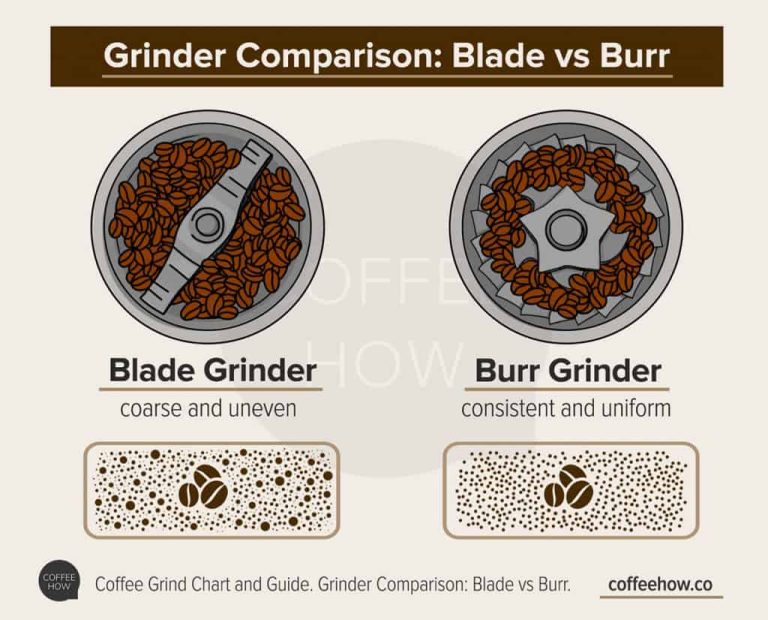
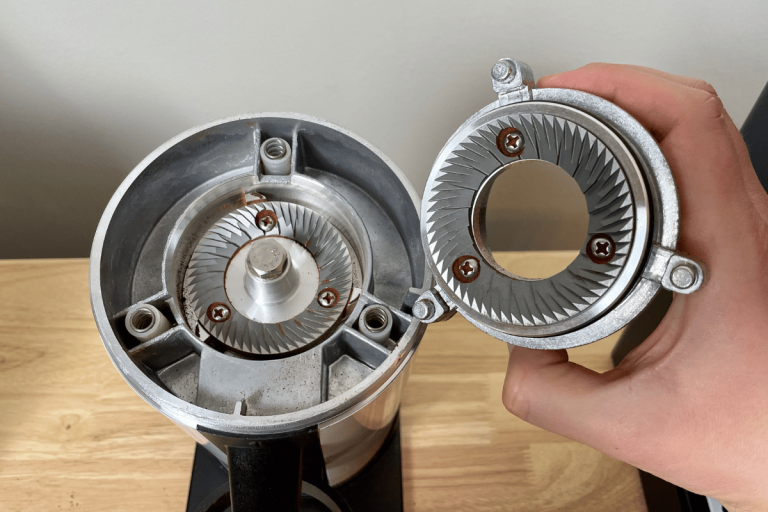
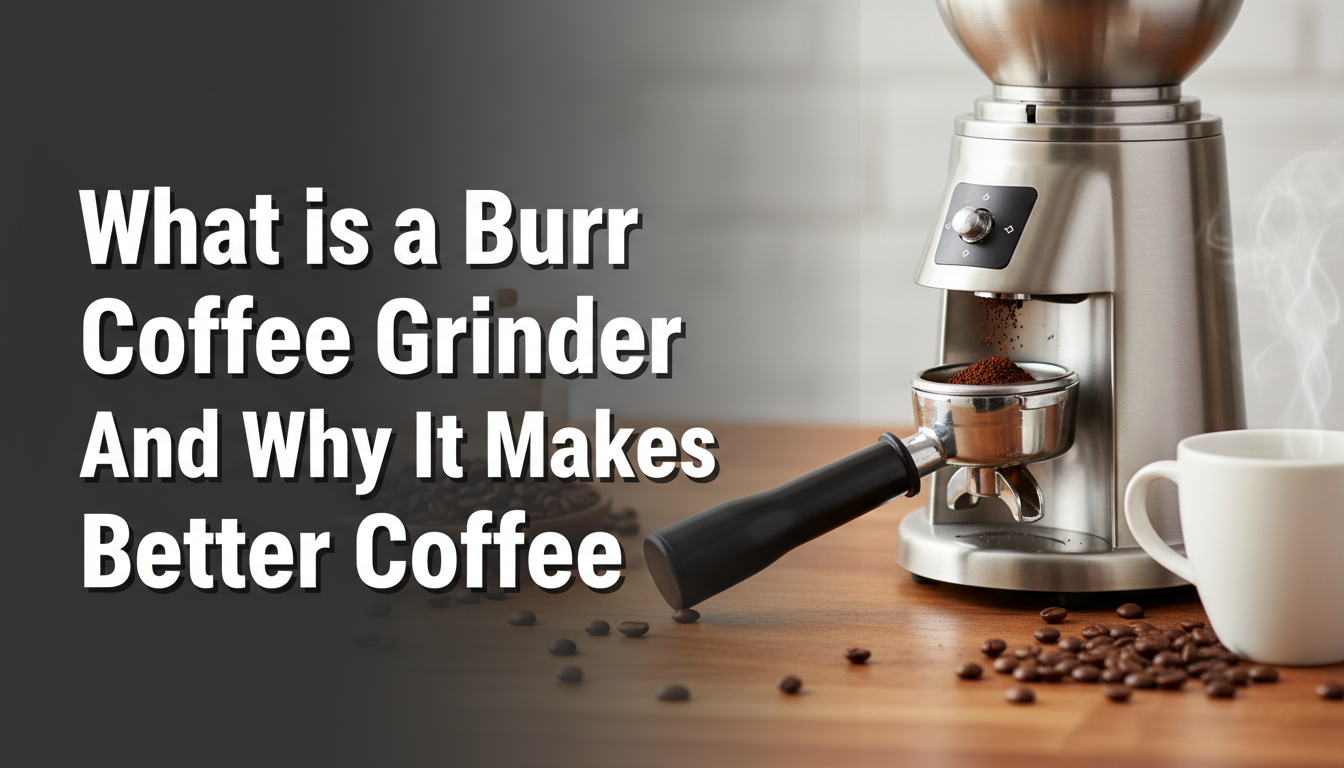
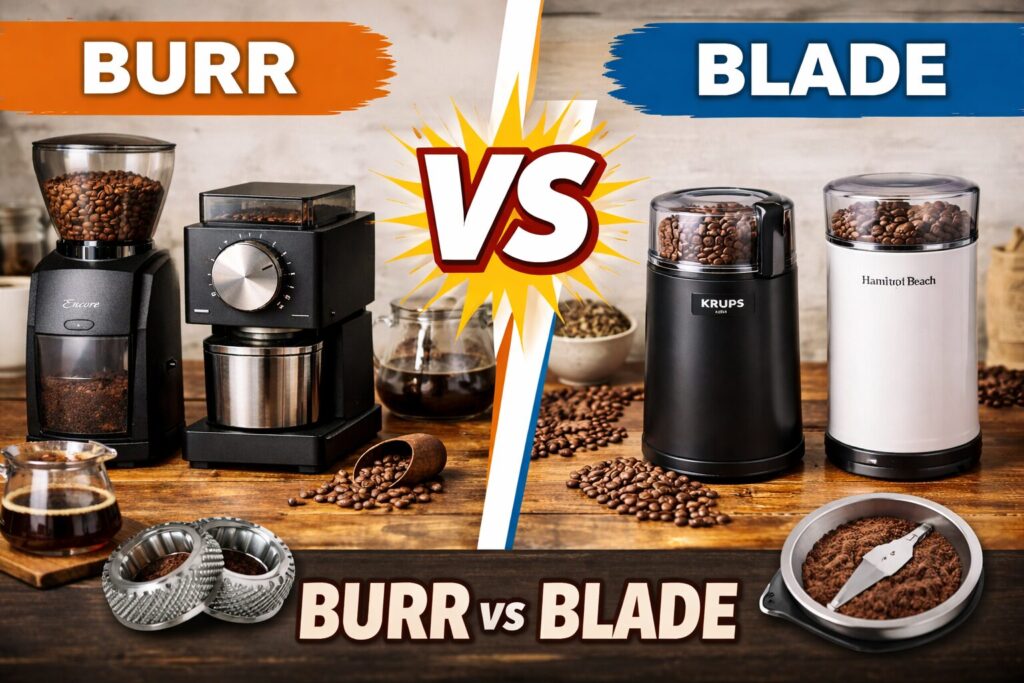
In homes and cafes from coast to coast, the journey to a perfect cup often begins with freshly ground beans. When you're browsing coffee gear in any American kitchenware store or online, you'll frequently see two main types of grinders: blade and burr. A burr coffee grinder utilizes two abrasive surfaces, called burrs, to mill coffee beans into uniformly sized particles. These burrs are precisely spaced, allowing beans to be crushed and ground between them at a chosen setting, rather than chopped.
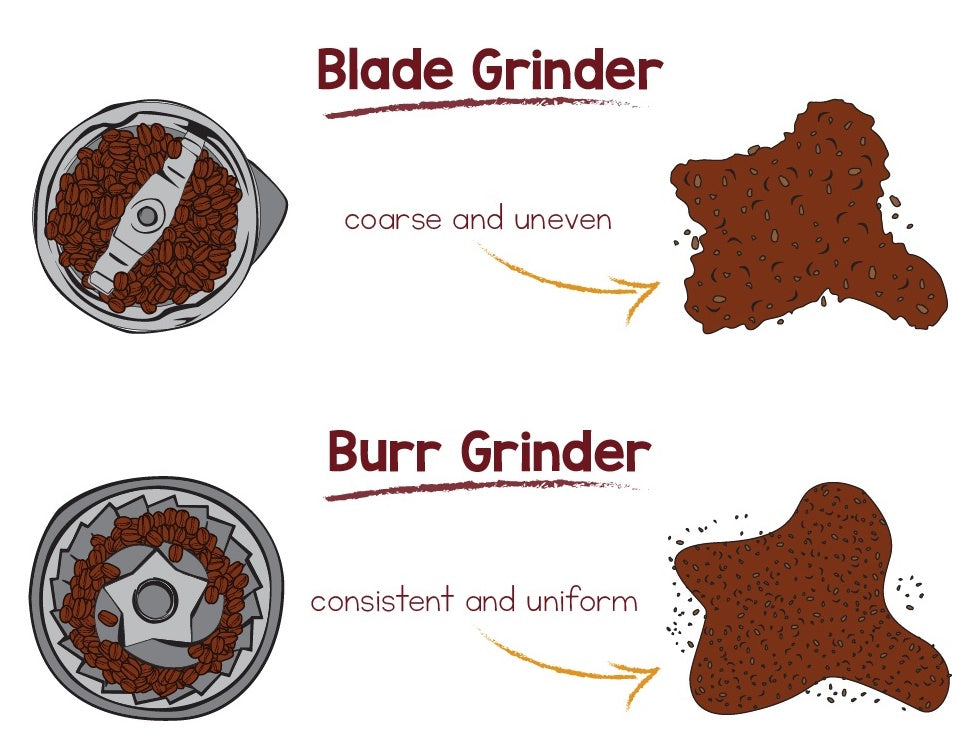
In contrast, a blade grinder, often resembling a spice grinder, uses a spinning blade to violently chop and shatter coffee beans into various particle sizes. Imagine using a blender to chop nuts; you'll get a mix of powder, small pieces, and larger chunks. This inconsistent approach is the fundamental flaw of blade grinders for coffee, leading to uneven extraction and a less satisfying brew. The controlled and gentle action of burr grinders ensures that each particle of coffee is prepared optimally for brewing.
The Cornerstone of Consistency: How Burr Grinders Work
Across the American coffee landscape, from bustling city cafes to quiet suburban kitchens, one truth reigns supreme: consistent grounds are key. This is where the engineering of a burr grinder truly shines, setting it apart from its blade-spinning counterparts and becoming a beloved fixture in many U.S. households. Burr grinders function by passing coffee beans through a gap between two revolving abrasive surfaces, which can be either conical (cone-shaped) or flat.
As the beans pass through this precisely calibrated gap, they are systematically crushed and ground into particles of a remarkably uniform size. You simply adjust the distance between these burrs to select your desired grind size, whether it's superfine for espresso or coarse for a French press. This meticulous process ensures that virtually every coffee particle is the same size, allowing water to extract flavor evenly during brewing, which is essential for a balanced and delicious cup.
Unlocking Flavor: The Science Behind a Better Brew
For many Americans, that first sip of coffee isn't just a routine; it's a cherished ritual. And the biggest secret to making that ritual truly satisfying, bursting with rich, nuanced flavor, lies in how evenly your coffee grounds are prepared. When coffee grounds are uniform in size, water can extract the soluble compounds (the flavor and aroma molecules) from each particle at a consistent rate. This is known as optimal extraction.
If your grind is inconsistent, as typically happens with a blade grinder, you end up with a mix of fine dust and large chunks. The fine particles will over-extract quickly, releasing bitter flavors, while the larger chunks will under-extract, leading to sourness and a weak taste. A burr grinder prevents this "dual extraction" problem, ensuring a balanced extraction that highlights the unique characteristics and complex notes of your chosen coffee beans, elevating every single cup.
Cooler Grinding for Fresher Taste
In the relentless pursuit of peak coffee flavor that Americans appreciate, heat can be the enemy. Just like you wouldn't want to burn your morning toast, you definitely don't want to "burn" your coffee beans before brewing. The rapid, uncontrolled chopping action of a blade grinder generates considerable friction and heat. This heat can actually "cook" or degrade the delicate aromatic oils in your coffee beans even before they hit the brewing water.
Burr grinders, by contrast, operate at much slower speeds and gently mill the beans. This significantly reduces the amount of heat generated during the grinding process. By minimizing heat exposure, burr grinders help preserve the beans' inherent volatile oils and complex flavors, ensuring that your coffee retains its freshness and full aromatic potential, giving you a vibrant and clean taste.
Versatility for Every American Brew Style
Whether you're a devotee of a strong French press, a connoisseur of delicate pour-overs, or an enthusiast perfecting your espresso shot, the vast array of brewing methods enjoyed across the U.S. demands a grinder that can keep up. This is where the adaptability of a burr grinder truly shines. Burr grinders offer a wide range of adjustable settings, from very coarse to ultra-fine, specifically tailored for different brewing techniques.
For example, espresso machines require an extremely fine, consistent grind to achieve proper pressure and extraction, while a French press needs a very coarse, uniform grind to prevent sludge in your cup. A burr grinder allows you to dial in the exact grind size needed for your specific brewer, providing the flexibility to experiment and perfect any method. This versatility means you can enjoy exceptional coffee no matter how you choose to brew it.

A Smart Investment for Lasting Quality
For Americans who appreciate quality and longevity in their kitchen appliances, a burr coffee grinder often represents a sound investment. While the initial price might be higher than a blade grinder you'd grab at a big-box store, its durability and consistent performance offer significant long-term value. Burr grinders are built with robust components, designed for consistent daily use over many years.
The burrs themselves, typically made from hardened steel or ceramic, are designed to maintain their sharpness and effectiveness for thousands of grinds. This means you won't need to replace your grinder as frequently as you might a less durable blade model. Investing in a burr grinder is an investment in consistently delicious coffee, reducing waste from poorly extracted brews, and enjoying a reliable kitchen companion for years to come.

Choosing the Right Burr Grinder for You
Navigating the options for burr coffee grinders can feel a bit overwhelming, whether you're shopping at a specialty store in Seattle or browsing online from a small town in Kansas. However, understanding the key types and features will help you pick the perfect model for your coffee routine. The primary distinction among burr grinders is between conical and flat burrs.
- Conical Burr Grinders: These feature two cone-shaped burrs that fit inside each other. They tend to operate at lower RPMs, generating less heat and often producing a slightly wider range of particle sizes within the desired setting, which some argue is beneficial for certain brew methods like pour-over. They are generally quieter and can be more affordable.
- Flat Burr Grinders: These grinders use two parallel, flat burrs that face each other. They typically produce a very uniform particle size, often favored by espresso aficionados for its precision. Flat burr grinders can be noisier and may generate a bit more heat due to their design, but modern designs mitigate this.
When selecting your grinder, consider your primary brewing method, your budget, and the available counter space. For espresso, flat burrs often excel, while for drip or pour-over, a quality conical burr grinder is usually excellent. Manual hand burr grinders are also a fantastic, portable, and budget-friendly option for consistent grinding, especially for single servings.

Frequently Asked Questions (FAQs)
How often should I clean my burr grinder?
For optimal performance and taste, you should clean your burr grinder every 1-2 weeks if you use it daily. Coffee oils can build up and become rancid, impacting your coffee's flavor. A deeper cleaning, involving disassembling the burrs, might be needed monthly or every few months, depending on usage.
Are all burr grinders equally good?
No, not all burr grinders are created equal. While all burr grinders offer superior consistency compared to blade grinders, there's a significant range in quality. Factors like burr material (steel vs. ceramic), motor strength, build quality, and precision of grind adjustment all affect performance and longevity. Investing in a reputable brand usually pays off.
Can a burr grinder grind spices?
While a burr grinder can grind spices, it's generally not recommended. Spices can leave strong, lingering odors and flavors that will transfer to your coffee. Dedicated spice grinders are best for spices, keeping your coffee grinder reserved solely for coffee beans to maintain pure coffee flavor.
Is a manual burr grinder worth it?
Absolutely, for many coffee enthusiasts, a manual burr grinder is incredibly worthwhile. They are portable, quiet, often more affordable than electric models, and provide excellent grind consistency. They require a bit of arm work but are perfect for travel, camping, or those who enjoy the hands-on ritual of grinding small batches.
Conclusion
Choosing a burr coffee grinder is one of the most impactful decisions you can make to elevate your daily coffee experience. Its ability to deliver a consistent, uniform grind, preserve delicate flavors by reducing heat, and offer versatile settings for any brewing method makes it undeniably superior to a blade grinder. For any American who values the quality and taste of their coffee, investing in a burr grinder is an investment in a consistently delicious, rich, and aromatic cup, every single time. Take the plunge, and taste the difference for yourself!