How Do Coffee Machines Blockages Affect Coffee: The Real Truth
Coffee machine blockages significantly degrade your daily brew, resulting in weak, cold, bitter, or sour coffee, reduced volume, and even machine malfunction. These issues arise from disruptions to water flow, temperature, and pressure within the machine, which are crucial for proper coffee extraction. Regular maintenance, including descaling and cleaning, is essential to prevent blockages and ensure consistently delicious coffee.
In the United States, where a staggering number of us kickstart our mornings with a cup of joe, the quality of that first sip can really set the tone for the day. There's nothing quite like the disappointment of expecting a robust, flavorful coffee only to be met with a weak, watery, or sour excuse for a brew. Often, the culprit isn't your expensive beans or fancy grind, but rather a hidden enemy lurking within your machine: blockages. Understanding how these clogs impact your coffee is the first step to reclaiming your perfect cup.
What Causes Coffee Machine Blockages?
In homes and offices across America, coffee machines work tirelessly, day in and day out, to deliver our beloved caffeine fix. But this constant use, combined with the nature of water and coffee itself, can lead to internal buildup that restricts flow and causes problems. Recognizing these common culprits is key to effective prevention.
The primary causes of coffee machine blockages are:
- Mineral Scale (Limescale): This is perhaps the most common offender, especially in areas with hard water, which is prevalent throughout much of the U.S. As water heats and evaporates, it leaves behind minerals like calcium and magnesium, which accumulate as a white, crusty deposit. Over time, this scale builds up in heating elements, pipes, and spray heads, narrowing passages and restricting water flow.
- Coffee Grounds: While your filter or mesh screen catches most grounds, tiny particles can inevitably make their way into the machine's internal mechanisms. These fine grounds can lodge in small tubes, valves, and the brewing unit, slowly creating blockages that impede water movement.
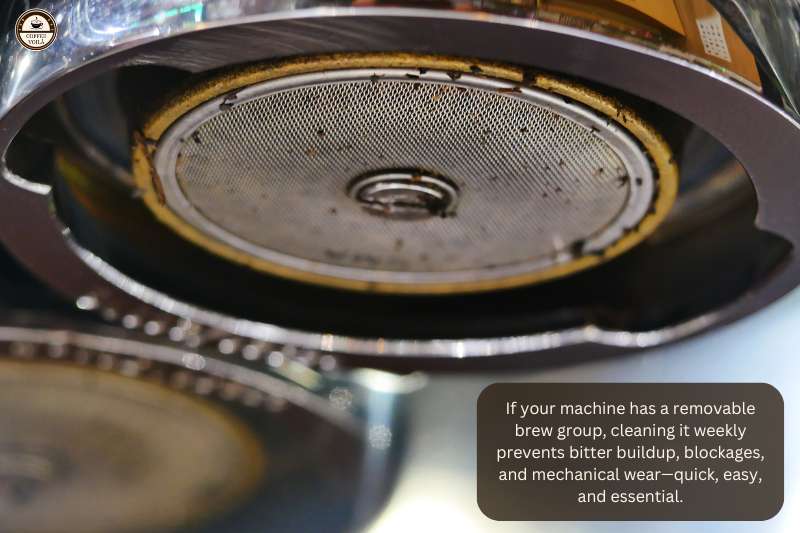
- Coffee Oils: Coffee beans contain natural oils that are extracted during brewing. Over time, these oils can leave a sticky residue on internal components, especially in the brew group and dispenser. This sticky film can trap ground particles and mineral deposits, accelerating blockage formation and becoming a breeding ground for stale coffee flavors.

The Impact on Your Coffee's Taste and Aroma
For many Americans, coffee isn't just a drink; it's an experience. When blockages occur, that experience quickly sours, quite literally. The disruption to the brewing process directly affects the extraction of flavors and aromas, leading to a noticeably inferior cup.
Here’s how blockages specifically impact your coffee:
- Weak and Watery Coffee: This is one of the most common signs of a blockage. When water flow is restricted, it may not pass through the coffee grounds evenly or at the correct volume. This leads to under-extraction, where the water doesn't have enough contact time or pressure to pull out the full spectrum of soluble solids from the coffee grounds. The result is a thin, weak, and unsatisfying brew.
- Sour or Bitter Flavors: Blockages can cause inconsistent water temperature or uneven water distribution.
- Sourness: Often a sign of under-extraction, which can happen if water isn't hot enough or doesn't flow through the grounds properly. The acidic compounds are extracted, but the balancing sweetness and body are left behind.
- Bitterness: Can occur from over-extraction in certain spots due to slow dripping or prolonged contact with stale coffee oils. If water struggles to get through a partial blockage, it might linger, leading to an over-extracted, bitter taste.
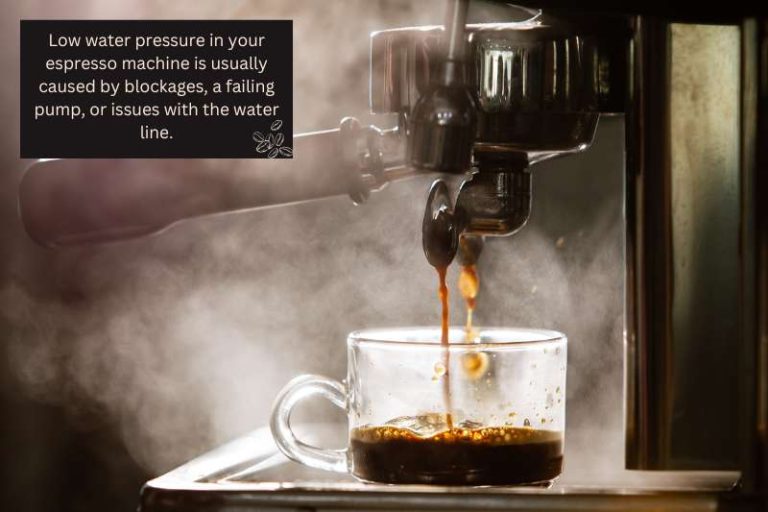
- Lack of Crema (Espresso Machines): For espresso lovers across the U.S., a rich, thick layer of crema is the hallmark of a perfectly pulled shot. Blockages in an espresso machine can severely reduce the pump pressure or water flow. Without the necessary pressure (typically 9 bars) and proper water temperature, the coffee oils and gases don't emulsify correctly, resulting in little to no crema, and a flat, unappetizing espresso.
- Reduced Aroma: The delightful scent of fresh coffee is a crucial part of the brewing experience. Blockages, especially those caused by old coffee oils, can introduce stale flavors and odors into your brew. Furthermore, if the extraction is poor, the delicate volatile compounds responsible for coffee's complex aroma might not be released, leaving your coffee smelling dull and uninviting.

How Blockages Affect Coffee Machine Performance
Beyond just the taste in your mug, blockages also take a toll on the performance and longevity of your coffee machine. From the hustle and bustle of a New York City office breakroom to a quiet kitchen in a suburban home, a struggling coffee maker is a source of frustration. Understanding these operational impacts can help you diagnose a problem early.
Here’s how blockages manifest in your machine’s function:
- Inconsistent Temperature: Mineral scale buildup in heating elements or water lines acts as an insulator, preventing water from reaching and maintaining the optimal brewing temperature (typically 195-205°F or 90-96°C). Inconsistent or lukewarm water leads to poor extraction and a coffee that tastes flat or unpleasantly cool.
- Reduced Water Flow and Volume: This is one of the most visible symptoms. A blockage means less water can pass through the system. You might notice your coffee machine dispensing less coffee than usual, or the water flow coming out of the showerhead or spout is just a trickle, not a steady stream.
- Increased Brewing Time: With restricted pathways, the machine's pump has to work harder to push water through the system. This extra effort means the brewing cycle takes significantly longer than it should, often leading to impatient waits for your morning fix.
- Machine Noise and Strain: As the pump struggles against a blockage, it can produce unusual noises – grinding, whirring, or straining sounds that indicate it's working overtime. This added stress on the pump can lead to premature wear and tear on internal components.
- Leaks and Malfunctions: In severe cases, blockages can create excessive pressure within the machine's internal plumbing. This pressure can cause seals to break, hoses to burst, or water to leak from unexpected places, leading to potential damage to the machine itself and your countertop.
Preventing Blockages: Your Guide to Better Coffee
As coffee consumption remains a daily ritual for millions across the U.S., proactive maintenance is the best way to ensure your machine delivers consistently high-quality coffee and avoids the frustrations of blockages. A little regular care can save you a lot of headache and expense in the long run.
Here are essential practices to prevent blockages:
- Regular Descaling: This is critical, especially if you live in an area with hard water. Descaling removes mineral scale buildup from the machine's internal components.
- Frequency: Most manufacturers recommend descaling every 1-3 months, depending on water hardness and machine usage. Some newer machines, common in American households, even have descaling indicators.
- Method: Use a commercial descaling solution specifically designed for coffee machines, or a solution of white vinegar and water (check your manufacturer's instructions for compatibility, as some advise against vinegar for certain components). Always follow the product's instructions carefully.
- Daily Cleaning: Simple daily habits make a big difference.
- Rinse Removable Parts: After each use, rinse the portafilter, brew basket, and carafe with hot water. For espresso machines, flush the group head briefly after removing the portafilter.
- Wipe Down: Wipe away any coffee grounds or spills from the machine's exterior and around the brew area.
- Deep Cleaning: This focuses on removing coffee oils.
- Backflushing (Espresso Machines): Use a blind filter and a specialized cleaning tablet to backflush your espresso machine regularly (weekly or bi-weekly). This pushes water and cleaner backward through the group head to remove trapped oils and grounds.
- Cleaning Brew Baskets/Filters: For drip machines, periodically wash the brew basket and permanent filter with soap and water to remove oily residue.
- Using Filtered Water: This is a simple yet effective step to reduce mineral buildup. Many Americans already use filtered water for drinking, and extending that to your coffee machine can significantly slow down limescale formation. A water filter pitcher or a machine with an integrated water filter can be very beneficial.
- Proper Grinding: Using the correct grind size for your machine type is important.
- Too Fine: Especially for drip or French press, overly fine grounds can clump together, impeding water flow and potentially making their way into the machine's smaller passages.
- Too Coarse: While less likely to cause blockages, too coarse a grind leads to under-extraction and weak coffee.

When to Seek Professional Help
While many coffee machine blockages can be resolved with regular cleaning and descaling, there are times when a professional touch is necessary. For many American households, their coffee maker is an essential appliance, and knowing when to call in an expert can prevent further damage and costly repairs.
You should consider seeking professional help if:
- DIY Efforts Fail: If you've diligently followed all cleaning and descaling recommendations and the blockage persists, or your machine still isn't performing correctly, it might indicate a deeper, more stubborn issue.
- Machine Won't Turn On or Respond: Electrical issues or major internal component failures often go beyond simple blockages and require specialized diagnostic tools and expertise.
- Visible Damage or Leaks: If you notice water leaking from unusual spots, excessive steam, or components that appear cracked or broken, continued use could be unsafe or cause irreparable damage.
- Unusual Noises Persist: Loud grinding, clanking, or excessive whirring noises after cleaning can point to mechanical problems with the pump, motor, or other moving parts that require professional repair.
- Specialized or High-End Machines: For complex espresso machines or integrated coffee systems, attempting DIY repairs beyond basic cleaning can void warranties or cause more harm than good. Professionals have the specific knowledge and tools for these intricate devices.
- Safety Concerns: Never attempt to open your machine or tamper with electrical components if you're unsure how to do so safely. Electricity and hot water pose significant risks.

Frequently Asked Questions
Can blockages damage my coffee machine permanently?
Yes, severe and untreated blockages can lead to permanent damage. The increased strain on the pump, overheating of components due to restricted water flow, or pressure buildup leading to leaks can all shorten the lifespan of your machine or cause costly, irreparable damage.
How often should I descale my coffee machine?
Generally, manufacturers recommend descaling every 1 to 3 months, but this can vary. Factors like the hardness of your water (harder water requires more frequent descaling) and how often you use your machine play a role. If your machine has a descaling indicator, follow its prompts.
Does using filtered water really make a difference?
Absolutely. Filtered water significantly reduces the mineral content in the water used for brewing. This, in turn, slows down the rate of limescale buildup in your machine, extending the time between descaling treatments and protecting your machine's internal components.
What are the signs of a severe blockage?
Signs of a severe blockage include a complete lack of water flow, extremely slow brewing (drips instead of streams), loud straining noises from the pump, significant leaks, or the machine consistently failing to reach brewing temperature.
Is vinegar safe to use for descaling?
White vinegar is a common and effective descaling agent for many coffee machines, especially drip models. However, some manufacturers advise against it for certain espresso machines or models with aluminum components, as it can be corrosive. Always check your specific coffee machine's user manual for descaling instructions and recommended products to ensure compatibility and avoid damage.
Conclusion
Ensuring your coffee machine is free from blockages is a small effort with a huge payoff for coffee enthusiasts across America. By understanding what causes these clogs and how they impact your coffee's taste, aroma, and your machine's performance, you're empowered to take preventative action. Regular descaling, daily cleaning, and using filtered water are simple steps that safeguard your investment and, most importantly, guarantee a consistently delicious, full-bodied cup every single time. Don't let a blockage ruin your morning – take care of your machine, and it will take care of your coffee.