Why Coffee Grinders Have Different Blades: Unlocking Flavor
Coffee grinders feature different "blades"—or more accurately, distinct grinding mechanisms like chopping blades in simpler models and precision burrs in higher-quality grinders—because each design produces a unique grind consistency, which profoundly impacts the flavor, aroma, and overall quality of your brewed coffee. The mechanism determines particle size uniformity, a critical factor for optimal extraction across various brewing methods.
Across the United States, from the bustling coffee hubs of Seattle to the cozy home kitchens of the Midwest, the journey to a perfect cup of coffee often begins with freshly ground beans. But have you ever wondered why some coffee grinders look like blenders with spinning blades, while others use a more intricate system of ridged wheels? The core difference lies in their grinding mechanism, and understanding this distinction is key to unlocking your coffee's full potential. It's not just about pulverizing beans; it's about doing it precisely to ensure every sip is as delicious as intended.

Understanding the Two Main Types of Coffee Grinding Mechanisms
Before diving into the specifics, it's essential to understand that when people refer to "different blades" in coffee grinders, they are typically distinguishing between two fundamental types of grinding mechanisms: blade grinders (which use actual blades) and burr grinders (which use burrs). While both aim to break down coffee beans, their methods and results are vastly different, directly influencing your final cup.
1. Blade Grinders: The Chopping Approach
In many American homes, especially those just starting their coffee journey, you might encounter a coffee grinder that looks strikingly similar to a spice grinder or a small food processor. This is a blade grinder, and it operates precisely as its name suggests: it uses a rapidly spinning propeller-like blade to chop and smash coffee beans.
How They Work:
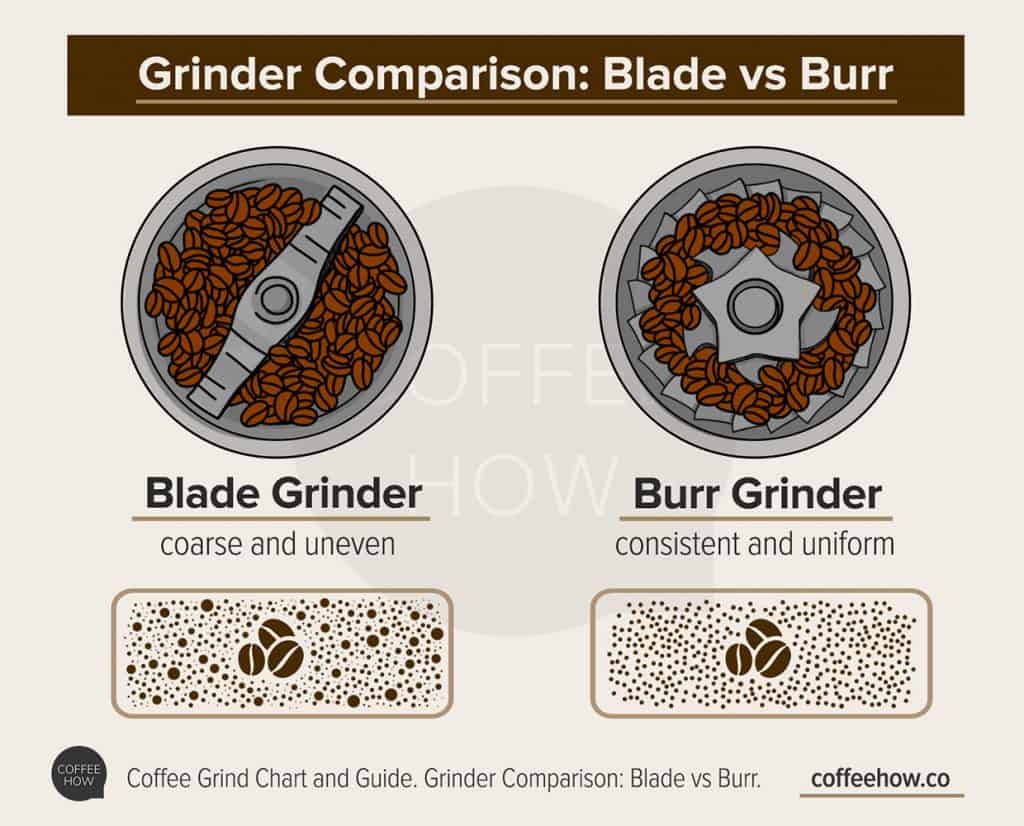
The stainless steel blade, much like a blender blade, spins at high speeds, pulverizing the beans it comes into contact with. The longer you let it run, the finer the "grind" becomes. There's no set gap or mechanism for uniform particle size; it’s a chaotic process of impact and fragmentation.
Why They're Used (and Their Limitations):
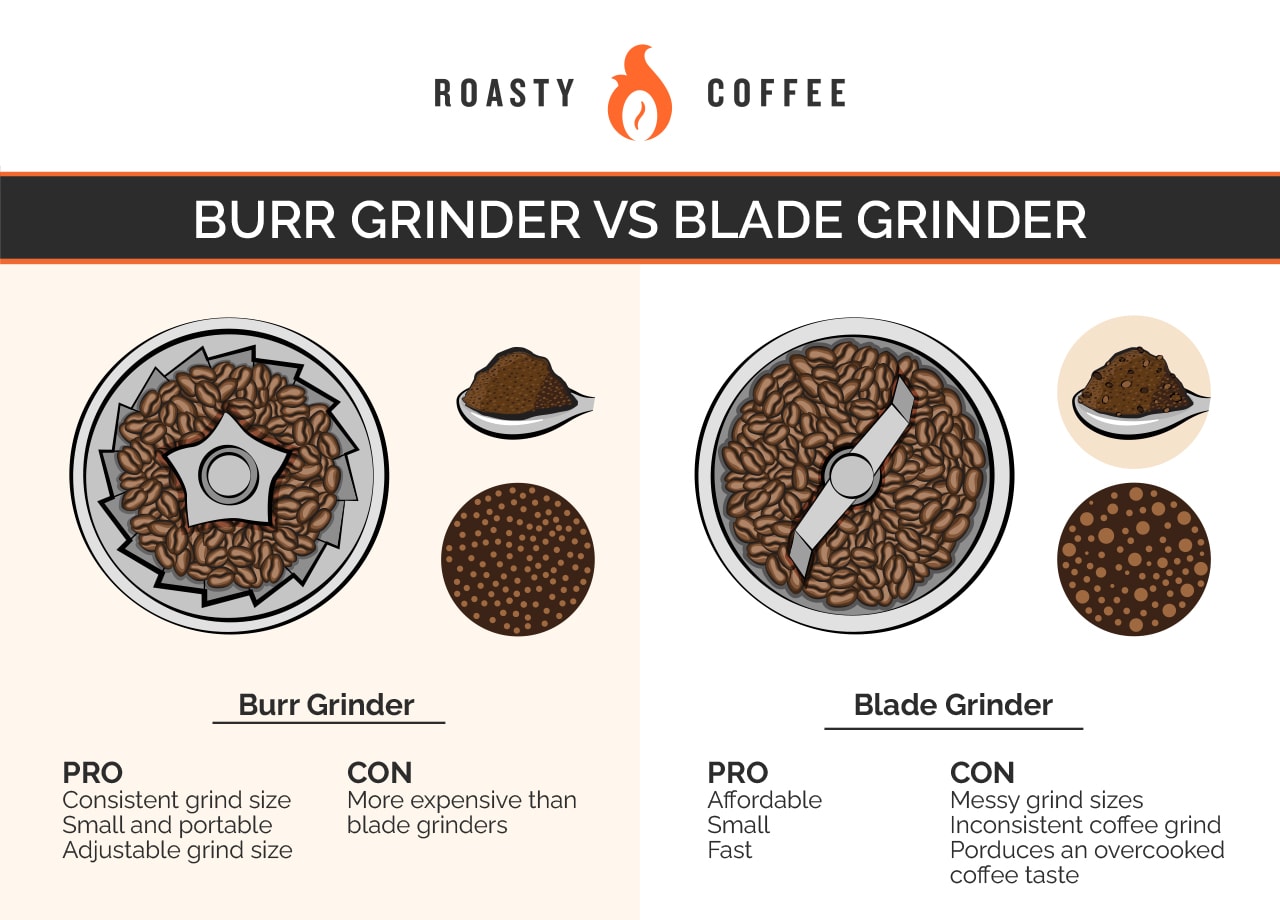
- Affordability: Blade grinders are significantly less expensive than burr grinders, making them an accessible entry point for many.
- Simplicity: They are straightforward to use and clean.
- Inconsistent Grind: This is their biggest drawback. The chopping action creates a mix of very fine powder (often called "fines") and much larger chunks of coffee. Imagine smashing a rock with a hammer—you get dust and pebbles, not uniformly sized gravel.
- Heat Generation: The high-speed friction from the blades generates heat, which can prematurely "cook" or scorch the coffee beans, leading to a burnt taste and loss of delicate aromas.
- Limited Flavor Extraction: Because of the inconsistent particle size, coffee brewed from a blade grinder often suffers. The fines over-extract quickly, leading to bitterness, while the larger chunks under-extract, resulting in a sour or watery taste. It’s hard to achieve a balanced cup.
Blade grinders are a budget-friendly option, but they are generally not recommended for anyone serious about brewing quality coffee due to their inherent inability to produce a consistent and even grind. For optimal flavor and extraction, uniformity is key.

2. Burr Grinders: The Precision Milling Approach
For coffee lovers across the U.S. serious about their brew, from craft coffee roasters in Portland, Oregon, to dedicated home baristas in Brooklyn, New York, the burr grinder stands as the gold standard. Instead of chopping, burr grinders mill coffee beans between two abrasive surfaces, known as burrs.
How They Work:
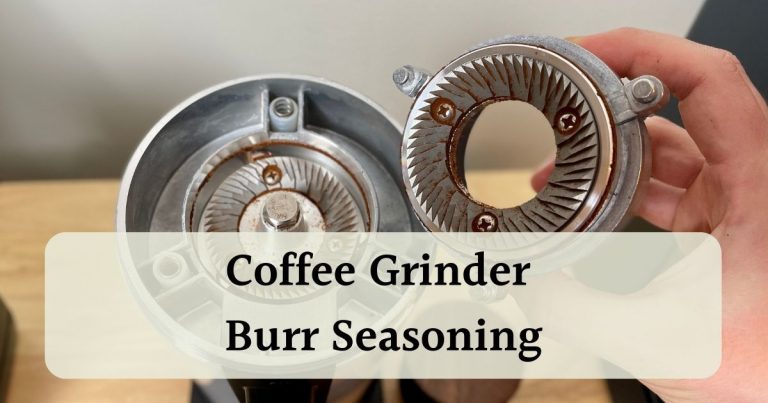
Coffee beans are fed between two burrs—one stationary and one rotating. As the beans pass through this gap, they are systematically crushed and ground into uniform particles. The distance between these burrs can be precisely adjusted, allowing you to control the fineness of the grind with much greater accuracy.
Why They're Superior (and Their Advantages):
- Consistent Grind: This is the primary advantage. Burr grinders produce a highly uniform particle size, which is crucial for even extraction. When all coffee particles are roughly the same size, water interacts with them at a similar rate, leading to a balanced and delicious cup.
- Minimal Heat Generation: Because the beans are ground rather than chopped by impact, burr grinders generate significantly less heat, preserving the coffee's delicate aromas and flavors.
- Adjustable Grind Settings: Burr grinders offer a wide range of grind settings, from extra-fine for espresso to coarse for French press, making them versatile for all brewing methods.
- Enhanced Flavor: The consistent grind ensures that you extract the best flavors from your coffee beans without bitterness from over-extracted fines or sourness from under-extracted boulders.
Burr grinders represent an investment in your coffee experience, offering unparalleled control over grind consistency and, consequently, superior flavor in your cup.

Exploring Different Burr Designs: Flat vs. Conical
Within the world of burr grinders, a fascinating distinction arises: the shape and orientation of the burrs themselves. For American consumers looking to optimize their daily ritual, understanding these designs is key to selecting the right grinder for their specific preferences and brewing methods. The two main types are flat burrs and conical burrs, each with its own characteristics and fan base.
1. Flat Burrs
Flat burrs consist of two abrasive rings that lie parallel to each other. Coffee beans are fed into the center, ground between the two surfaces, and then pushed out centrifugally as the burrs rotate.
Characteristics:
- Design: Two horizontal, disc-shaped burrs with cutting edges.
- Particle Path: Beans enter the center and are ground as they move outwards.
- Grind Uniformity: Generally produce a very consistent grind with a tight distribution of particle sizes.
- Heat Generation: Can generate more heat due to the flat surface area and higher rotational speeds, especially in cheaper models or during continuous use.
- Retention: Can have slightly higher retention of ground coffee within the grinding chamber compared to conical burrs, which might require more frequent cleaning.
- Flavor Profile: Often praised for producing a "cleaner" and brighter cup, accentuating distinct flavor notes and acidity. This is often preferred by those seeking clarity in single-origin coffees.
- Cost: Often found in higher-end commercial and prosumer grinders.
Best For: Espresso, pour-over, and other brewing methods where grind uniformity and clarity of flavor are paramount.
2. Conical Burrs
Conical burrs consist of two cone-shaped burrs—an outer stationary ring and an inner rotating cone. Beans are fed between these two burrs, working their way down as they are progressively ground.
Characteristics:
- Design: Two cone-shaped burrs, one fitting inside the other.
- Particle Path: Beans are pulled down into the ever-narrowing gap between the burrs by gravity.
- Grind Uniformity: Also produce excellent consistency, often with a slightly wider distribution of particle sizes compared to flat burrs, including a few more fines.
- Heat Generation: Tend to generate less heat because they spin at lower RPMs and have a more efficient grinding path.
- Retention: Typically have lower retention of ground coffee due to gravity assisting the exit of grounds.
- Flavor Profile: Often noted for producing a "fuller-bodied" coffee with richer textures and enhanced sweetness, sometimes perceived as a more "balanced" taste that blends flavors.
- Cost: Found in a wide range of grinders, from entry-level electric burr grinders to high-end models.
Best For: French press, drip coffee, Aeropress, and espresso, offering versatility and a robust flavor profile.
The choice between flat and conical burrs often comes down to personal preference for flavor profile and brewing method. Both are superior to blade grinders, providing the necessary precision for a truly great cup of coffee.
The Impact of Grinding Mechanism on Coffee Flavor and Extraction
From the bustling coffee shops dotting every Main Street in America to the quiet ritual of a morning brew at home, one truth consistently holds: the grind is paramount to the final taste. The mechanism your grinder uses fundamentally dictates the quality of your coffee by controlling particle size consistency, which in turn governs how water extracts flavor from the grounds.
The Science of Extraction: Why Consistency Matters
Coffee brewing is essentially a process of extraction—dissolving desirable compounds (like acids, sugars, and oils) from the ground coffee into hot water.
- Surface Area: When coffee beans are ground, their surface area increases dramatically, allowing water to access more of the bean's interior.
- Uniformity is Key: If your grind is inconsistent (as with a blade grinder), you'll have a mix of large and small particles:
- Fines (very small particles): These have a huge surface area and extract very quickly. They release bitter compounds and can lead to an over-extracted, harsh, and muddy cup.
- Boulders (large particles): These have less surface area and extract very slowly, often leading to under-extraction. This results in a sour, weak, or watery taste, missing out on the full flavor potential of the bean.
A quality burr grinder ensures that most particles are of a similar size. This means they will extract at a similar rate, allowing you to achieve a balanced extraction where all the good flavors are dissolved without the undesirable ones.
Connecting Grind to Brew Methods
Different brewing methods require specific grind sizes for optimal extraction:
- Espresso (Extra Fine): Needs a very fine, consistent grind to resist the high pressure and allow for a quick, concentrated extraction. Inconsistent grinds lead to channeling (water finds paths through larger particles) or choking (too many fines block flow).
- Pour Over / Drip Coffee (Medium): Requires a medium grind that allows water to flow through at a steady rate, extracting flavors evenly without clogging the filter or running through too quickly.
- French Press (Coarse): Needs a coarse, uniform grind. Fines will pass through the mesh filter, leading to a gritty cup and over-extraction during the long immersion time.
The ability of burr grinders to produce these precise and consistent grinds is why they are indispensable for anyone aiming to brew coffee that truly tastes its best. Blade grinders, by their very nature, cannot meet these demands, which is why your "blade" choice dramatically impacts your coffee experience.

Choosing the Right Grinder for Your Needs
Selecting the best coffee grinder in the American market depends heavily on your brewing habits, budget, and desired coffee quality. It’s a decision that can elevate your daily coffee ritual from merely acceptable to truly exceptional.
Decision Factors:
| Factor | Blade Grinder | Burr Grinder (Conical/Flat) |
|---|---|---|
| Grind Consistency | Poor (mix of fines and boulders) | Excellent (uniform particle size) |
| Flavor Quality | Often bitter, sour, or flat | Balanced, rich, full-flavored |
| Brewing Methods | Limited (not ideal for any method) | Versatile (espresso, pour-over, French press, etc.) |
| Heat Generation | High (can scorch beans) | Low (preserves flavor) |
| Adjustability | Minimal (time-based guesswork) | High (precise settings for different methods) |
| Price | Inexpensive ($15-$40) | Moderate to High ($50 – $500+) |
| Maintenance | Simple to clean | Requires more thorough cleaning for optimal performance |
| Longevity | Blades can dull; motor wears out faster with inconsistent loads | Burrs last longer; motors are designed for grinding |
| Ideal User | Casual coffee drinker, occasional use | Daily coffee enthusiast, specialty coffee brewer |
Recommendations:
- For the Budget-Conscious or Occasional Brewer: If you primarily drink pre-ground coffee and only occasionally grind your own for convenience, a blade grinder might suffice. However, be prepared for a noticeable difference in quality compared to café-bought coffee.
- For the Everyday Coffee Drinker Seeking Better Flavor: Invest in an entry-level electric burr grinder (conical burrs are common here). This will dramatically improve your coffee consistency and flavor for drip, pour-over, and French press.
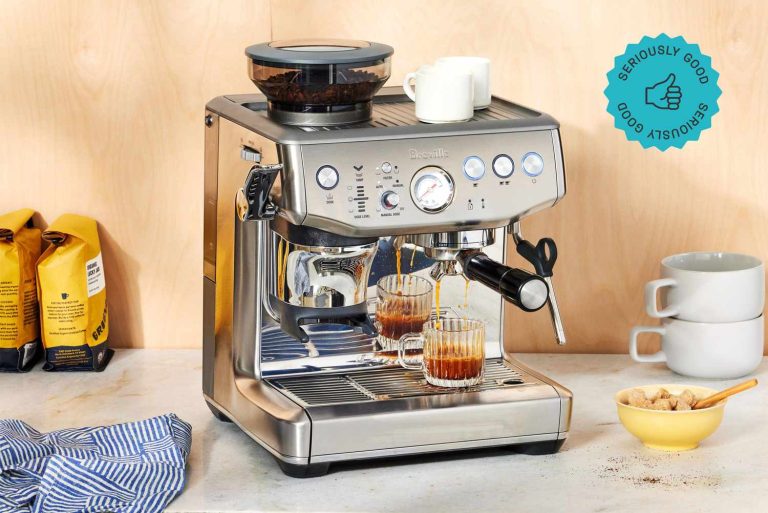
- For the Home Barista or Espresso Enthusiast: A high-quality electric burr grinder (either flat or conical, depending on preference and specific machine compatibility) is essential. Precision is paramount for espresso, and a good grinder is often considered more important than the espresso machine itself for consistent results.
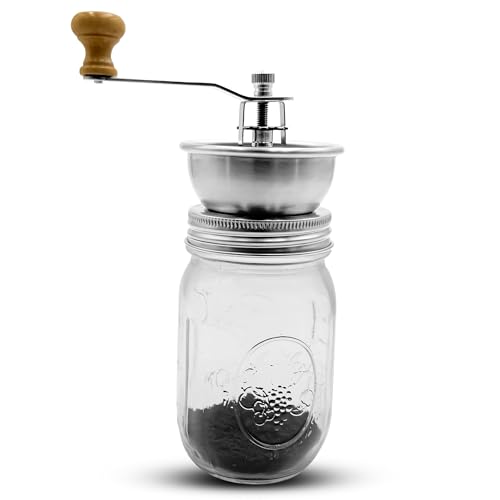
- For Travel or Manual Brewing: A manual burr grinder is a fantastic portable option, offering excellent grind consistency without electricity, perfect for camping trips or compact kitchens.
Ultimately, your coffee grinder is an investment in the quality of your daily brew. Choosing a burr grinder over a blade grinder is the single most impactful step you can take towards making consistently delicious coffee at home.

Common Mistakes, Exceptions, and Limitations
While the superiority of burr grinders is clear for quality coffee, there are nuances and common pitfalls to be aware of, especially for American consumers navigating the vast array of options. Understanding these can help you avoid disappointment and ensure a safer, more effective coffee grinding experience.
Common Mistakes:
- Using a Blade Grinder for Specialty Coffee: Many newcomers to specialty coffee make the mistake of buying high-quality beans only to grind them in a blade grinder. This undermines the bean's potential, as the inconsistent grind prevents proper extraction, masking delicate flavors with bitterness or sourness. It's like buying a luxury car and putting low-grade fuel in it.
- Not Cleaning Your Grinder: Regardless of type, grinders accumulate old coffee grounds and oils. These can turn rancid, imparting off-flavors to your fresh coffee. Regular cleaning (brushing out grounds, occasional deeper cleaning with grinder cleaning tablets or rice) is crucial.
- Grinding Too Far in Advance: Coffee begins to lose its aroma and flavor compounds very rapidly after grinding due to oxidation. Grinding just before brewing is always best, ideally within minutes.
- Ignoring Grind Adjustments: Even with a burr grinder, not experimenting with different grind settings for various brewing methods will limit your coffee's potential. A coarser grind for French press won't work well for espresso.
- Overheating Blade Grinders: Running a blade grinder for too long, trying to achieve a finer grind, will generate excessive heat, further damaging the coffee's flavor profile.
Exceptions and Limitations:
- Spice Grinders: While functionally similar, using your coffee blade grinder for spices and vice-versa is a bad idea. Coffee absorbs flavors and aromas readily, so you'll end up with garlic-flavored coffee or coffee-flavored spices. Dedicate separate grinders for each.
- Commercial vs. Home Use: Commercial-grade burr grinders are built for heavy, continuous use and often feature larger, more robust burrs and motors. Home burr grinders, while excellent, have duty cycles and are not designed for non-stop operation, which can lead to overheating or premature wear.
- Static Electricity: Both blade and burr grinders can generate static electricity, causing ground coffee to cling to the grinder, counter, or collection bin. This is more common in dry climates. A small spritz of water (known as the "Ross Droplet Technique") on the beans before grinding can help mitigate static, but check your grinder's manual first to ensure it's safe for your model.
- Burr Material: While not a different "blade" type, the material of burrs (e.g., steel vs. ceramic) impacts durability, heat retention, and price. Steel burrs are common and efficient, while ceramic burrs are generally more durable and retain less heat but can be more brittle.
By being mindful of these common issues and understanding the specific functionalities and limitations of your grinder, you can significantly enhance your coffee brewing journey and extract the best possible flavors from your beans.
FAQs: Your Coffee Grinder Questions Answered
Understanding the nuances of coffee grinders can be a journey. Here are some frequently asked questions that American coffee enthusiasts often have when considering their grinding choices.
Is it really worth buying a more expensive burr grinder?
Yes, for most coffee enthusiasts, it is absolutely worth the investment. A quality burr grinder provides consistent particle size, which is the single most important factor for achieving a balanced, flavorful, and delicious cup of coffee, regardless of your brewing method. While blade grinders are cheaper, they compromise taste significantly.
Can I use my blender as a coffee grinder?
Technically, yes, you can use a blender to chop coffee beans. However, it will perform similarly to a blade grinder, producing a very inconsistent grind with a lot of fines and large chunks. This will lead to poor coffee extraction and an unbalanced, often bitter or sour, taste. It's not recommended for quality coffee.
How often should I clean my coffee grinder?
For optimal flavor, you should brush out your burr grinder regularly (e.g., once a week if you grind daily). A deeper clean using grinder cleaning tablets (like Urnex Grindz) or a small amount of uncooked rice (which helps dislodge oils and old grounds) should be done monthly or every few weeks, depending on usage and how oily your beans are. Blade grinders should be wiped clean after each use to prevent oil buildup.
Do burrs need to be replaced?
Yes, burrs can dull over time, especially with regular use. The lifespan depends on the burr material (steel vs. ceramic), the roast level of the beans you grind (darker, oilier beans can wear burrs faster), and the frequency of use. For home grinders, burrs might last several years before needing replacement, while commercial grinders will require more frequent changes. Dull burrs result in less consistent grinds and a noticeable drop in coffee quality.
What's the difference between steel and ceramic burrs?
Steel burrs are sharp and efficient, often found in a wide range of grinders. They can heat up a bit more but are excellent at cutting. Ceramic burrs are generally harder and more durable, retaining less heat, but they can be more brittle if dropped or if foreign objects (like small stones occasionally found in beans) enter the grinder. Both can produce excellent results; the choice often comes down to manufacturer design and cost.
Conclusion: Elevate Your Brew with the Right Grinder
From the moment you step into your kitchen each morning, the choice of your coffee grinder sets the stage for your entire coffee experience. For Americans who cherish their morning ritual, understanding the fundamental differences between blade grinders and burr grinders is not just technical knowledge—it's the secret to unlocking the true potential of your coffee beans. While blade grinders offer an inexpensive way to turn whole beans into grounds, their chopping action leads to an inconsistent particle size, compromising flavor and aroma.
On the other hand, burr grinders, whether flat or conical, meticulously mill beans into uniform particles, ensuring even extraction and a consistently delicious cup. Investing in a quality burr grinder is perhaps the most impactful decision you can make to elevate your home brewing, transforming your daily coffee from a routine beverage into an enjoyable, flavorful experience. Choose wisely, and savor every perfectly extracted sip.