Why Coffee Grinders For French Press: Essential For Flavor
For those who cherish a rich, full-bodied cup of coffee, the French press is a beloved brewing method. However, achieving that perfect brew consistently hinges on one critical factor: your coffee grinder. A dedicated coffee grinder, especially a burr grinder, is crucial for French press because it provides the coarse, uniform grind necessary for optimal flavor extraction, preventing bitterness, over-extraction, and unwanted sediment in your cup. This precision allows the unique immersion process of the French press to shine, delivering an unparalleled coffee experience.
The French Press: A Unique Brewing Method Demands a Specific Grind
In homes and cafes across the United States, the French press holds a special place, beloved for its ability to produce a deeply flavorful and aromatic cup. Unlike drip coffee makers or pour-overs that use paper filters, the French press employs a mesh filter to separate coffee grounds from the brew. This fundamental difference means the coffee grounds are fully immersed in hot water for several minutes, allowing for maximum flavor extraction.
This immersion brewing method necessitates a coarse and uniform grind. A coarse grind is essential because it slows down the extraction process, preventing the coffee from becoming bitter due to over-extraction during its extended contact with water. Equally important is the uniformity of the grind. If your coffee grounds are a mix of fine dust and large chunks, the fines will over-extract rapidly, leading to bitterness, while the larger pieces will under-extract, resulting in a weak or sour taste. An inconsistent grind also contributes significantly to unwanted "sludge" or sediment at the bottom of your cup, as fine particles easily pass through the mesh filter.
The Science of Grind Size and Extraction
If you've ever wondered why your morning coffee tastes different depending on how it's ground, you're tapping into a fundamental concept in US coffee culture: the science of extraction. The size of your coffee grounds directly influences the surface area exposed to hot water, which in turn dictates how quickly and efficiently the soluble compounds – those delicious flavors, aromas, and acids – are extracted from the beans.
A finer grind means more surface area is exposed, leading to faster extraction. This is why espresso, which has a very short contact time with water, uses extremely fine grounds. Conversely, a coarser grind has less surface area, resulting in slower extraction, which is precisely what the French press needs. With its longer immersion time, a coarse grind ensures a balanced, controlled extraction.
When your grind is uneven, the science gets messy. Tiny "fines" (very small particles) will over-extract quickly, releasing bitter compounds. Larger, under-ground pieces will remain under-extracted, contributing sour or underdeveloped flavors. This chaotic extraction leads to a muddled, inconsistent cup where no single flavor can truly shine. A uniform coarse grind allows for an even extraction, ensuring that all the coffee particles release their desirable compounds at a similar rate, resulting in a cleaner, more harmonious flavor profile.

Burr Grinders vs. Blade Grinders: The Clear Winner for French Press
When stepping up your home coffee game, a common debate in US kitchens is "burr vs. blade" when it comes to grinders. Understanding the difference is crucial for any French press enthusiast, as the type of grinder you use will dramatically impact your final brew.
Blade Grinders: The "Choppers"
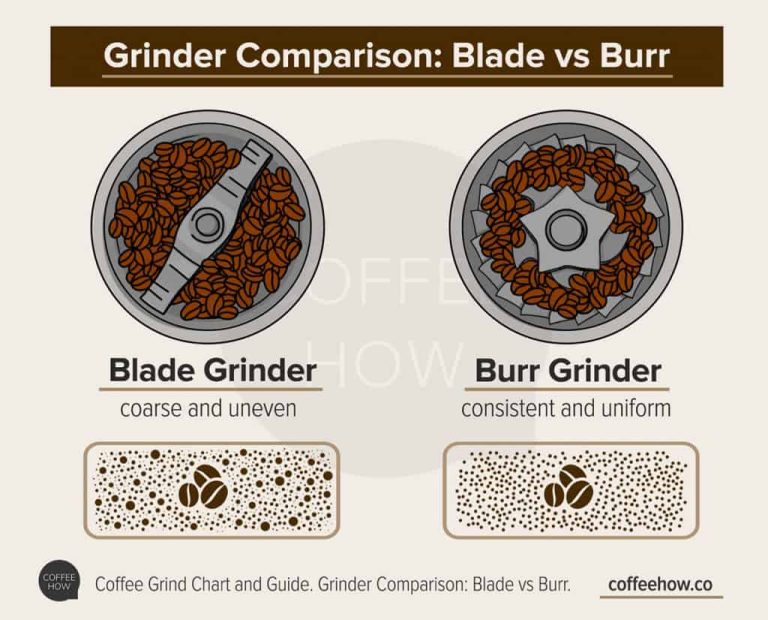
Blade grinders, often less expensive and more widely available, operate much like a food processor. A spinning blade inside the grinder "chops" the coffee beans into smaller pieces. The primary issue with this method is its inconsistency. It's difficult to achieve a uniform grind size, instead producing a mix of fine powder, medium chunks, and large fragments.
For French press, these inconsistencies are detrimental. The fine particles will over-extract, causing bitterness and passing through the mesh filter as sediment. The larger, under-ground pieces will remain unextracted or under-extracted, leading to weak or sour notes. The result is often a muddy, silty, and unpleasantly flavored cup of coffee that lacks clarity and depth.
Burr Grinders: The "Crushers"
Burr grinders, whether manual or electric, are the gold standard for any serious coffee brewer, and especially for French press. They work by grinding coffee beans between two abrasive surfaces, or "burrs," set at a precise distance. This method crushes the beans uniformly, producing a consistent particle size. Burr grinders typically come in two main types:
- Conical Burr Grinders: These feature two cone-shaped burrs, one fitting inside the other. They are known for their consistency, durability, and ability to grind at lower RPMs, which reduces heat and preserves coffee flavor.
- Flat Burr Grinders: These use two flat, ring-shaped burrs that face each other. They also produce a very consistent grind, though some models can generate more heat than conical burrs.
Both conical and flat burr grinders offer adjustable settings, allowing you to fine-tune the grind size specifically for your French press. The consistent, coarse grind produced by a burr grinder means:
- Clean Cup: Fewer fines passing through the filter, significantly reducing sediment.
- Balanced Flavor: Even extraction across all particles, leading to a richer, more nuanced, and less bitter or sour taste.
- Optimal Control: You dictate the extraction, not your grinder's shortcomings.
While manual burr grinders are a cost-effective entry point and offer portability, electric burr grinders provide convenience, speed, and often a wider range of settings. Regardless of whether you choose manual or electric, opting for a burr grinder is a non-negotiable step toward French press perfection.

The Flavor Difference: Why Consistency Matters
For coffee lovers across the US, taste is king, and a truly great cup of French press coffee hinges on consistency. The flavor profile of your French press brew is a direct reflection of how evenly the coffee particles have interacted with the hot water. When you achieve a consistent, coarse grind with a burr grinder, you unlock the full, balanced spectrum of flavors inherent in your coffee beans.
Here’s how grind consistency directly impacts the flavor and quality of your French press:
- Full, Balanced Extraction: With uniform particles, all the desirable compounds (sweetness, acidity, body, aroma) are extracted at a similar rate. This leads to a harmonious and well-rounded flavor profile, allowing the unique characteristics of the coffee bean to shine through without being masked by off-flavors.
- Avoiding Bitterness: One of the most common complaints about French press coffee is bitterness. This almost always stems from over-extraction, particularly of very fine particles that extract too quickly. A burr grinder minimizes these fines, preventing them from contributing an unpleasant bitter edge to your cup.
- Preventing Sourness or Weakness: Conversely, if your grind includes too many large, unground chunks, they won't extract properly during the brewing time. This leads to under-extracted flavors, which can taste sour, thin, or simply weak, failing to deliver the robust body and flavor the French press is known for.
- Minimizing Muddiness and Sediment: The presence of a significant amount of "sludge" or sediment at the bottom of your French press cup is a tell-tale sign of an inconsistent grind, rich in fines. These tiny particles easily slip through the mesh filter, making your coffee cloudy and gritty. A burr grinder significantly reduces these fines, resulting in a cleaner, brighter cup that's a pleasure to drink down to the last drop.
In essence, a consistent grind allows you to taste the coffee as it was meant to be tasted – clear, complex, and without unwanted distractions. It's the difference between a good cup of coffee and a truly exceptional one that delights your senses.

Choosing the Right Coffee Grinder for Your French Press
When navigating the aisles of your local kitchen store or browsing online in the US, selecting the perfect coffee grinder can feel like a big decision. However, with the specific needs of the French press in mind, the choice becomes clearer. Here’s what to look for to ensure your grinder sets you up for French press success:
- Burr Type is Paramount: As discussed, a burr grinder is non-negotiable. Look for either conical burrs or flat burrs. Both will provide the consistent grind size needed for French press, far superior to any blade grinder. Conical burrs are often praised for their durability and ability to grind at lower speeds, which generates less heat, preserving the coffee's delicate flavors.
- Wide Range of Grind Settings: A quality burr grinder will offer a wide spectrum of grind settings, from very fine for espresso to very coarse for French press. Ensure the model you choose explicitly states it has a coarse setting suitable for French press. This adjustability is key to fine-tuning your brew.
- Material of Burrs: Most burr grinders feature either ceramic or stainless steel burrs. Both are excellent choices. Ceramic burrs are often lauded for their longevity and ability to stay sharp, while steel burrs are also durable and effective. The material is less important than the burr mechanism itself.
- Ease of Use and Cleaning: Consider the user experience. Is it easy to load beans? Is the grind chamber accessible for cleaning? Regular cleaning prevents old coffee oils from tainting fresh grounds and ensures optimal performance.
- Manual vs. Electric:
- Manual Burr Grinders: These are budget-friendly, portable, and provide a quiet grinding experience. They're excellent for small batches (1-2 cups) and offer fantastic grind consistency for their price point. They require manual effort, which can be a meditative part of the brewing ritual.
- Electric Burr Grinders: While a larger investment, electric grinders offer convenience and speed, especially if you brew multiple cups daily or prefer minimal effort. Look for models with timers or weight-based grinding for added precision.
Common Mistakes and Limitations
- Using Pre-Ground Coffee: While convenient, pre-ground coffee is almost always too fine for French press, leading to bitterness and sediment. It also stales much faster than whole beans.
- Relying on a Blade Grinder: As detailed, blade grinders produce an inconsistent, often fine, grind that undermines the French press brewing method.
- Not Cleaning Your Grinder Regularly: Old coffee oils build up in grinders, becoming rancid and imparting off-flavors to fresh beans. Clean your burr grinder periodically according to the manufacturer's instructions.
- Ignoring Grind Adjustments: Don't just set it and forget it. Experiment with slight adjustments to your coarse grind setting. A slightly coarser or finer grind can significantly change the taste profile based on your specific beans, roast level, and personal preference.
Key Takeaways
- A burr grinder is essential for French press to achieve a coarse, uniform grind.
- Uniform grind ensures even extraction, preventing bitterness from fines and sourness from coarse particles.
- Blade grinders produce inconsistent results, leading to muddy, bitter French press coffee.
- A quality burr grinder dramatically reduces sediment and enhances overall flavor clarity.
- Adjustability of grind settings is crucial for dialing in the perfect French press brew.
FAQs
Q1: Can I use pre-ground coffee for French press?
While you can use pre-ground coffee, it's generally not recommended for optimal results with a French press. Most pre-ground coffee is too fine, designed for drip machines, which leads to over-extraction, bitterness, and excessive sediment in your French press. For the best flavor, always grind your beans fresh just before brewing.
Q2: How coarse should French press coffee be?
French press coffee should be very coarse, resembling chunky sea salt or breadcrumbs. It should not be powdery or sand-like, as that's too fine. The particles should be distinct and not feel gritty between your fingers, indicating they're small enough to pass through the filter.
Q3: Is a manual burr grinder good enough for French press?
Absolutely! A manual burr grinder is an excellent and often cost-effective choice for French press. It provides the consistent, coarse grind quality needed, and many models offer precise adjustments. They are perfect for brewing 1-2 cups and are often praised for their quiet operation and portability.
Q4: How do I know if my grind is too fine or too coarse?
- Too Fine: Your French press coffee will taste bitter, astringent, or muddy, and you'll likely have a lot of sediment. The plunger will also be very hard to press down.
- Too Coarse: Your coffee will taste weak, watery, sour, or underdeveloped, lacking body and depth. The plunger will press down with little to no resistance.
Q5: How often should I clean my coffee grinder?
It's a good practice to clean your burr grinder every 2-4 weeks, or more frequently if you use it daily or brew oily dark roasts. Regular cleaning removes old coffee oils and particles that can become rancid and negatively impact the flavor of your fresh coffee. Follow the manufacturer's instructions for the best cleaning method.
Conclusion: Elevate Your French Press Experience
For many Americans, the French press is more than just a coffee maker; it's a ritual that signifies a moment of enjoyment and quality. To truly honor that ritual and unlock the full potential of your coffee beans, investing in a quality burr grinder is arguably the most impactful upgrade you can make. It transforms your brewing process from a hit-or-miss endeavor into a consistently delightful experience, free from bitterness and sediment, and bursting with the nuanced flavors you deserve. Elevate your French press; your taste buds will thank you.