Coffee In America: When Did It Really Take Off?
Coffee truly took off in America during the late 18th century, significantly boosted by the Boston Tea Party and subsequent anti-British sentiment.
As someone who has spent years exploring the rich tapestry of American culinary history and the beverages that fuel its progress, I can tell you that the story of coffee in America is far more complex and fascinating than a simple timeline. It’s a narrative intertwined with rebellion, innovation, and the evolving social fabric of a young nation. If you’ve ever wondered about the precise moments and movements that transformed a mere bean into the ubiquitous morning ritual it is today, you're in for a treat. This deep dive will uncover when coffee in America really began its ascent, exploring the cultural, economic, and political currents that solidified its place in the American heart.

The Colonial Spark: Early Coffee in America
Even before it became a household staple, coffee had already made its way to American shores, though initially as a less popular alternative to tea and alcoholic beverages. The first records of coffee consumption in the colonies date back to the mid-17th century. It was primarily enjoyed by the wealthy elite, often imported from the Dutch East Indies and served in exclusive coffee houses in cities like New York and Boston. These early establishments weren't just about the drink; they were vibrant social hubs, centers for business, political discussion, and intellectual exchange, mirroring their European counterparts.
However, coffee remained a niche product, struggling to compete with the deeply ingrained British tea-drinking tradition. Tea was cheaper, more readily available through the East India Company, and deeply embedded in colonial customs. While coffee was present, it certainly hadn't "taken off" in any widespread sense. It was a curiosity for some, a luxury for others, but not yet the unifying beverage of the masses. The initial seeds were planted, but the ground wasn't quite ready for a full harvest.
The Revolutionary Shift: Coffee Triumphs Over Tea
The true turning point for coffee in America arrived with the brewing storm of the American Revolution. The infamous Boston Tea Party in 1773 was more than just a protest against taxation; it was a powerful act of defiance that severed the colonial ties to British goods, particularly tea. Suddenly, drinking tea became unpatriotic, a symbol of loyalty to the crown. This political statement created a massive vacuum in the American beverage landscape, and coffee was perfectly positioned to fill it.
Patriots enthusiastically swapped their tea cups for coffee mugs, making the switch a public declaration of independence. George Washington himself was a known coffee drinker, further legitimizing its status. This period saw a dramatic surge in demand for coffee, as Americans consciously chose it over British tea. It was during these tumultuous times that coffee in America truly began to establish its roots, transforming from a mere option into a symbol of American identity. The revolution didn't just win political freedom; it cemented coffee's cultural freedom on this continent.
The 19th-Century Brew: From Home to Hearth
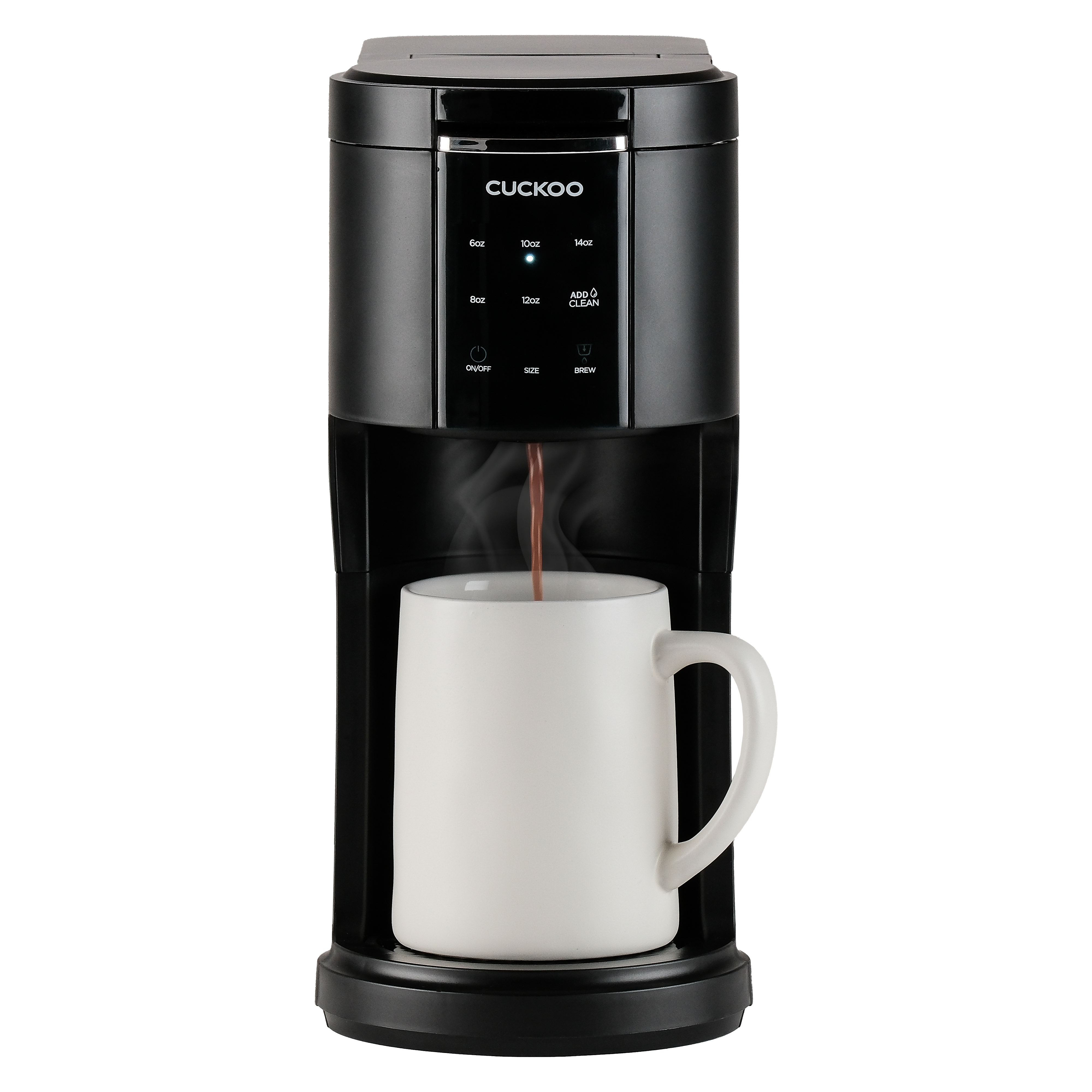
Following the Revolutionary War, coffee's popularity continued to swell throughout the 19th century, moving beyond the elite coffee houses into the everyday homes of ordinary Americans. As westward expansion progressed, coffee proved to be an ideal beverage for pioneers and settlers. It was relatively easy to transport, store, and prepare over an open fire, offering warmth, energy, and a sense of routine in rugged conditions. This practicality ensured coffee's presence on every frontier.
Innovations in brewing methods and the rise of local roasters also made coffee more accessible and affordable. General stores began stocking roasted beans, and the scent of freshly ground coffee became a common aroma in towns and cities. Coffee breaks became an increasingly accepted part of the workday, providing a moment of respite and camaraderie. By the mid-1800s, coffee was no longer just a patriotic alternative; it was becoming a fundamental part of daily life and social gatherings, firmly taking hold across the burgeoning nation. This widespread adoption demonstrated that coffee in America had truly moved beyond a temporary trend.

The Great American Perk: Coffee Takes the Industrial Stage
The late 19th and early 20th centuries marked another significant acceleration in coffee's dominance, driven by industrialization and clever marketing. The advent of large-scale commercial roasting and packaging made coffee more consistent, convenient, and widely distributed. Brands like Maxwell House and Folgers emerged, promising quality and affordability to the masses. These companies revolutionized how coffee was consumed, often promoting it as "good to the last drop" or a vital part of the morning ritual.
World War I and II further solidified coffee’s place. Soldiers were often supplied with coffee rations, appreciating its stimulant effects and the comfort it provided during wartime. Upon their return, these veterans brought their coffee-drinking habits back home, reinforcing its role in American culture. Diner culture boomed, and coffee became synonymous with a hearty breakfast and late-night conversations. This era saw coffee in America become deeply embedded in the industrial workforce and the fabric of everyday American life, a true sign that it had fully taken off.

The Modern Coffee Craze: From Diner to Third Wave
While coffee was firmly established by the mid-20th century, the late 20th and early 21st centuries ushered in a new era of coffee sophistication and specialization. The "second wave" of coffee, spearheaded by companies like Starbucks in the 1980s and 90s, introduced Americans to a broader range of roasts, espresso-based drinks, and the concept of coffee as an experience rather than just a commodity. Suddenly, coffee shops became "third places" – not home, not work, but comfortable spaces for socializing and remote work.
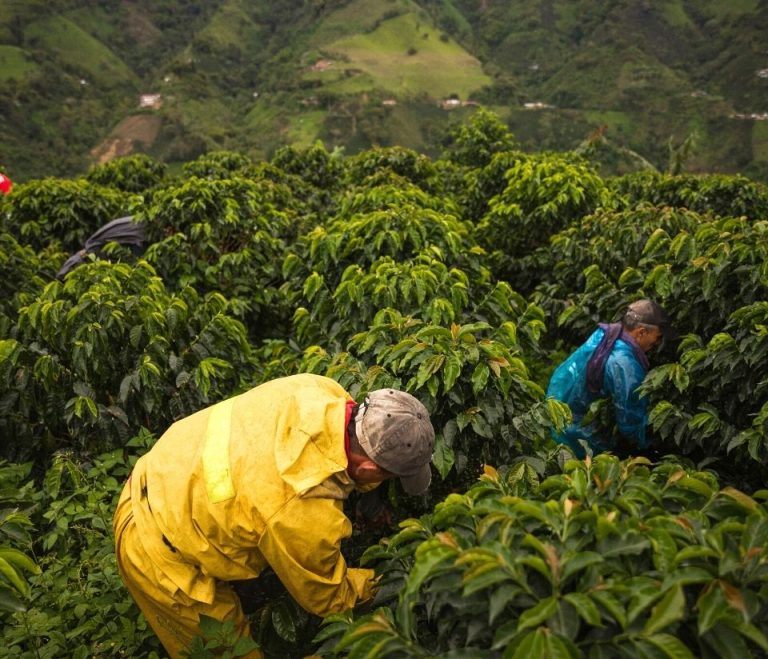
Today, we are firmly in the "third wave" (and some argue a "fourth wave"), characterized by an emphasis on single-origin beans, meticulous brewing methods, and a deeper appreciation for the nuanced flavors of coffee. Craft roasters, barista competitions, and detailed information about bean sourcing and processing have become commonplace. This evolution shows that coffee in America continues to adapt and thrive, constantly innovating and deepening its cultural significance, proving its staying power. From basic brew to artisanal craft, coffee's journey has been remarkable.

Understanding the "Why": Factors Behind Coffee's Ascendance
The enduring popularity and eventual explosion of coffee in America weren't accidental; they were the result of a perfect storm of social, economic, and political factors. Firstly, the patriotic rejection of tea during the American Revolution created an immediate demand for an alternative. Coffee was the right beverage at the right historical moment. Secondly, its practicality and stimulating effects made it ideal for a developing nation of workers, pioneers, and soldiers. It provided a much-needed energy boost to fuel the expanding country.
Economically, advances in shipping, roasting, and packaging made coffee more accessible and affordable to a wider demographic. Brands simplified the process, bringing coffee into every kitchen. Culturally, coffee houses and later diners provided crucial social spaces where people could connect, discuss ideas, and build community around a shared beverage. Finally, marketing and generational habits, reinforced by wartime consumption, cemented coffee as an indispensable part of the American routine. These intertwined elements truly explain why coffee in America not only took off but became an unshakeable cultural pillar.
Frequently Asked Questions About Coffee in America
When did coffee first arrive in America?
Coffee first arrived in the American colonies in the mid-17th century, primarily as a luxury item for the wealthy elite in urban centers like New York and Boston. It was initially consumed in specialized coffee houses rather than being a widespread daily beverage.
What event significantly boosted coffee's popularity in America?
The Boston Tea Party in 1773 and the subsequent American Revolution were the pivotal events that dramatically boosted coffee's popularity. Drinking coffee became a patriotic act, replacing British tea as the preferred national beverage.
How did coffee spread beyond the elite to everyday Americans?
Coffee spread to everyday Americans through increased affordability, easier transportation for westward expansion, and the rise of commercial roasting and packaging in the 19th century. Its practicality and stimulating effects also made it popular among workers and pioneers.
When did large-scale coffee brands emerge in America?
Large-scale coffee brands like Maxwell House and Folgers emerged in the late 19th and early 20th centuries. They capitalized on industrialization to make coffee more consistent, convenient, and widely available across the nation.
What is the "Third Wave" of coffee in America?
The "Third Wave" of coffee in America, beginning in the late 20th and early 21st centuries, emphasizes single-origin beans, meticulous brewing techniques, and a deep appreciation for coffee's diverse flavors. It focuses on the quality, traceability, and artisanal aspects of coffee.
Conclusion
The journey of coffee in America is a compelling narrative of transformation, from a niche luxury to a national icon. While it had an early presence, coffee truly began its meteoric rise in the late 18th century, fueled by the revolutionary spirit that rejected tea and embraced a new, distinctly American beverage. Its steady growth through the 19th century, solidified by industrial innovation and further amplified by wartime consumption, cemented its place in the American identity. Today, coffee continues to evolve, reflecting our changing tastes and desire for both comfort and craft. Understanding this history can deepen your appreciation for every cup, reminding you of the rich heritage behind this beloved daily ritual. Next time you brew a pot, consider the long, fascinating journey of coffee in America and perhaps explore a new roasting method or a different bean to continue your own coffee adventure.