Black Coffee Preference: Taste Or Personality Link?
Black coffee is primarily a taste preference shaped by sensory perception and learned experience, though subtle personality traits might influence one's openness to exploring its unique profile.
When it comes to our daily cup, few things spark as much debate and curiosity as the choice to drink black coffee. We've all heard the stereotypes—the minimalist, the intense worker, the no-nonsense individual who takes their coffee "straight." But does opting for a brew without milk or sugar genuinely reveal something about who we are, or is it simply a matter of what our taste buds enjoy? As someone who has spent years exploring the intricate world of coffee, both personally and professionally, I can tell you this isn't a black-and-white issue. We’re going to dive deep into the science, the psychology, and the fascinating stories behind why some people embrace the pure essence of black coffee, while others prefer a sweeter, creamier experience. Get ready to uncover whether your black coffee habit is a reflection of your core self or just a sophisticated palate.

The Nuances of Taste: Why Black Coffee is Unique
Understanding why someone prefers black coffee begins with appreciating the sheer complexity of its flavor profile. Unlike many beverages, black coffee isn't just "bitter." It's a symphony of notes that can range from fruity and floral to nutty, chocolatey, earthy, or even smoky, depending on the bean's origin, processing, and roast level. When you add milk or sugar, you fundamentally alter this delicate balance, masking some flavors and emphasizing others.
For me, the journey to truly appreciating black coffee was a gradual one, almost an acquired skill. I remember starting with heavily sugared lattes in college, thinking that coffee without adornment was just too harsh. It wasn't until I started working at a local roastery, surrounded by passionate baristas, that I began to pay attention to the subtle differences in aroma and taste. They taught me about single-origin beans, the impact of grind size, and the magic of a pour-over. Suddenly, that initial bitterness wasn't just bitterness; it was an entryway to discovering bright acidity, a full body, or a lingering sweet aftertaste. It shifted from being a jolt of caffeine to a genuine sensory experience. This evolution in taste is a common pathway for many who eventually come to love black coffee, highlighting the learned aspect of preference.
Decoding Personality Traits Linked to Black Coffee Lovers
It’s tempting to draw connections between our preferences and our personalities, and black coffee is no exception. Popular culture and even some initial scientific inquiries have tried to link a preference for black coffee with certain personality traits. You might hear people describe black coffee drinkers as bold, intense, risk-takers, or even psychopaths (a humorous, albeit extreme, claim often seen online). The idea often stems from the perception that black coffee is "strong" or "austere," thus requiring a "stronger" personality to appreciate it.
Some research has explored concepts like "sensation seeking," where individuals might prefer more intense flavors and experiences, which could extend to the unadulterated taste of black coffee. There’s also the stereotype of the "independent" or "no-nonsense" individual who doesn't need frills or embellishments, extending this philosophy even to their coffee. While these correlations can be intriguing, it’s crucial to understand that they are often weak, correlational, and easily influenced by societal perceptions rather than being direct causal links. For instance, someone who enjoys the strong taste of black coffee might also exhibit other "strong" personality traits, but it's more likely that their enjoyment of the taste comes first, and any perceived personality link is an after-the-fact interpretation. The reality is far more complex than simple stereotypes allow.
The Science Behind Our Coffee Choices
Delving deeper, science offers some compelling explanations for our coffee preferences that go beyond simple stereotypes. One fascinating area of study is genetics. Researchers have identified specific genes, like TAS2R38, that influence our perception of bitterness. Some people are "super-tasters" who are highly sensitive to bitter compounds, while others are less so. This genetic predisposition can significantly shape whether we find the bitterness in black coffee enjoyable or off-putting. It’s not about willpower; it’s about biology.
Beyond genetics, learned behavior plays a massive role. Our environment and upbringing often dictate our initial exposure to coffee. Did your parents drink black coffee, or did they always add cream and sugar? Such early experiences can normalize certain tastes and influence our adult preferences. Cultural factors also matter; in some cultures, black coffee, like espresso, is the default, while in others, sweetened and milk-based coffee drinks are more common. Moreover, caffeine sensitivity is a factor. Individuals who are highly sensitive to caffeine might find the stimulating effects of any coffee, black or otherwise, to be too much, potentially leading them to dilute it or avoid it altogether. The desired effect from coffee—whether it's a pleasant taste experience or simply a jolt of energy—also guides our choices.
Beyond the Stereotypes: A Balanced Perspective
So, is black coffee a taste preference or a personality trait? The most accurate answer is that it's predominantly a taste preference, heavily influenced by sensory factors, genetics, and learned experiences, with personality possibly playing a minor, indirect role. It’s not an either/or situation but rather a dynamic interplay. While certain personality traits, such as an adventurous spirit or an openness to new experiences, might lead someone to try black coffee in the first place, their continued preference for it usually boils down to how their taste buds perceive and enjoy its complex flavors.
It’s a misconception to believe that liking black coffee makes you inherently more "serious" or "sophisticated." I've known some incredibly adventurous and bold individuals who wouldn't touch black coffee with a ten-foot pole, preferring a sweet cappuccino instead. Conversely, I’ve met many quiet, introspective people who savor their black Americano daily. We must be wary of oversimplifying human behavior and preferences. Our coffee choices are deeply personal and influenced by a multitude of factors, making them far richer than any single label or stereotype can capture. The preference for black coffee is a testament to the diverse and adaptable nature of human taste, showing how we can learn to appreciate even what initially seems challenging.
Cultivating Your Black Coffee Journey: Tips for Newbies
If you're curious about joining the ranks of black coffee enthusiasts but find the idea daunting, don't worry—it’s a journey, not a destination. From my experience, here are some practical tips to help you cultivate an appreciation for black coffee:
- Start with quality beans: This is paramount. Cheap, low-grade coffee will always taste bitter and unpleasant black. Invest in freshly roasted, single-origin beans, perhaps a light or medium roast, which often highlight more nuanced flavors.
- Experiment with brewing methods: Different methods extract different qualities. A pour-over or Aeropress can offer a cleaner, more delicate cup, while a French press provides a fuller body. Try various methods to see what you prefer.
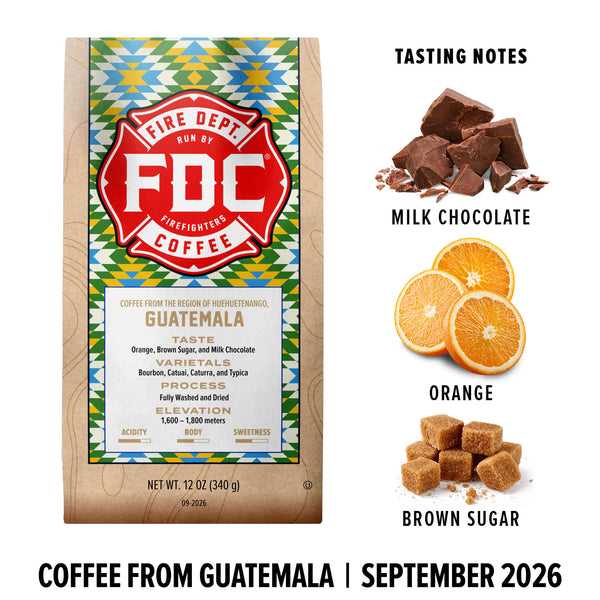
- Focus on origin notes: Black coffee truly shines when you learn about the regions it comes from. Coffees from Ethiopia might have berry and floral notes, while those from Brazil might be more chocolatey and nutty. Understanding these inherent flavors helps you appreciate what you're tasting.
- My advice: Take it slow: Don't expect to love it overnight. Start by reducing sugar gradually, or try half-and-half milk instead of full cream. Sip slowly, paying attention to the aromas and the different stages of flavor in your mouth, from the initial sip to the aftertaste. Just like learning to appreciate fine wine or craft beer, black coffee has layers to uncover.

Source: fox17.com
Frequently Asked Questions
Is black coffee truly healthier?
Yes, black coffee is generally considered healthier than coffee with added sugar, cream, or flavored syrups, as it contains fewer calories and no added sugars or unhealthy fats. It's rich in antioxidants and can offer various health benefits without the detrimental effects of excessive additives.
Can I learn to like black coffee?
Absolutely! Many people, including myself, have acquired a taste for black coffee over time. It often involves experimenting with different beans and brewing methods, gradually reducing additives, and actively trying to discern the diverse flavors present in the pure brew.
What's the best type of black coffee for beginners?
Beginners often find lighter roasts or single-origin beans with naturally sweet or fruity notes (like those from Ethiopia or certain parts of Central America) more approachable. Avoid very dark roasts initially, as they tend to be more intensely bitter.
Does liking black coffee mean I'm an introvert?
No, there is no scientific evidence to suggest a direct link between preferring black coffee and being an introvert. Personality stereotypes related to black coffee consumption are largely anecdotal and not supported by robust research.
Are there any specific health benefits of black coffee?
Black coffee has been linked to numerous potential health benefits, including improved energy levels, enhanced brain function, a reduced risk of type 2 diabetes, Parkinson's disease, liver disease, and certain cancers, as well as being a good source of antioxidants.
Ultimately, the choice to drink black coffee is a fascinating intersection of our biology, environment, and personal choices. It’s less about a predefined personality type and more about a cultivated palate and an appreciation for the unadulterated essence of the coffee bean. By understanding the diverse flavors, the scientific underpinnings of taste, and the influence of our experiences, we can move beyond simplistic labels. Whether you prefer your black coffee strong and bold or with a hint of cream, what truly matters is enjoying your cup.
If you’ve found yourself nodding along with these insights, why not share your own black coffee journey in the comments below? We’d love to hear what led you to your preference, or what you’re still curious about. For more deep dives into the world of coffee and other fascinating topics, make sure to explore our other articles and subscribe to our newsletter!