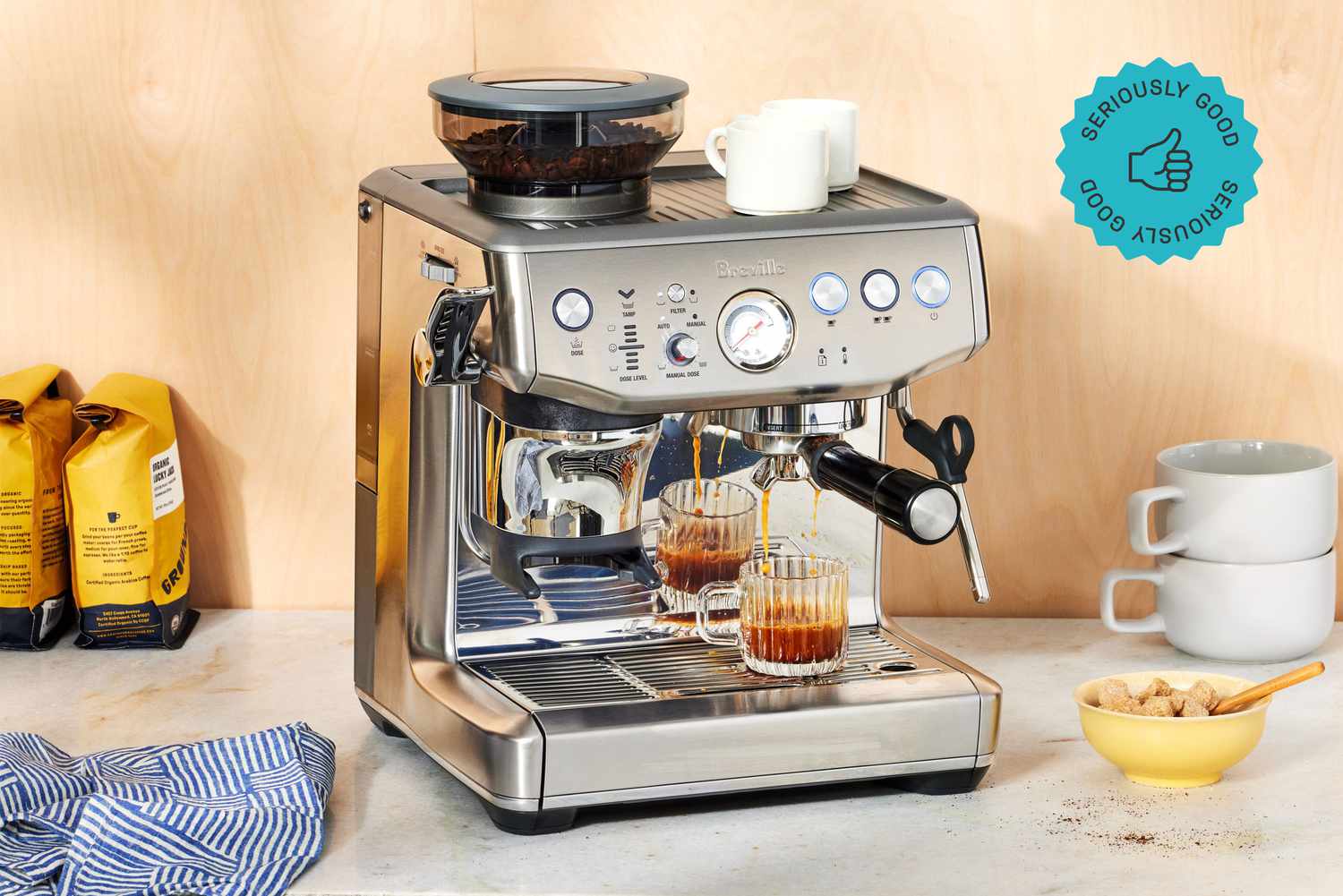
Grinder and Tamper for Coffee: How to Choose the Perfect Pair
Choosing the right grinder and tamper is crucial for unlocking your coffee's full potential and achieving professional-level extractions at home. It truly transforms your daily ritual into an art form, impacting everything from flavor nuances to the perfect crema. As someone who has spent years experimenting with various coffee setups, I can tell you that these two tools are just as vital as the espresso machine itself. Getting them right means the difference between a mediocre cup and an extraordinary one, making the investment of time and thought into selecting them incredibly worthwhile for any coffee enthusiast.
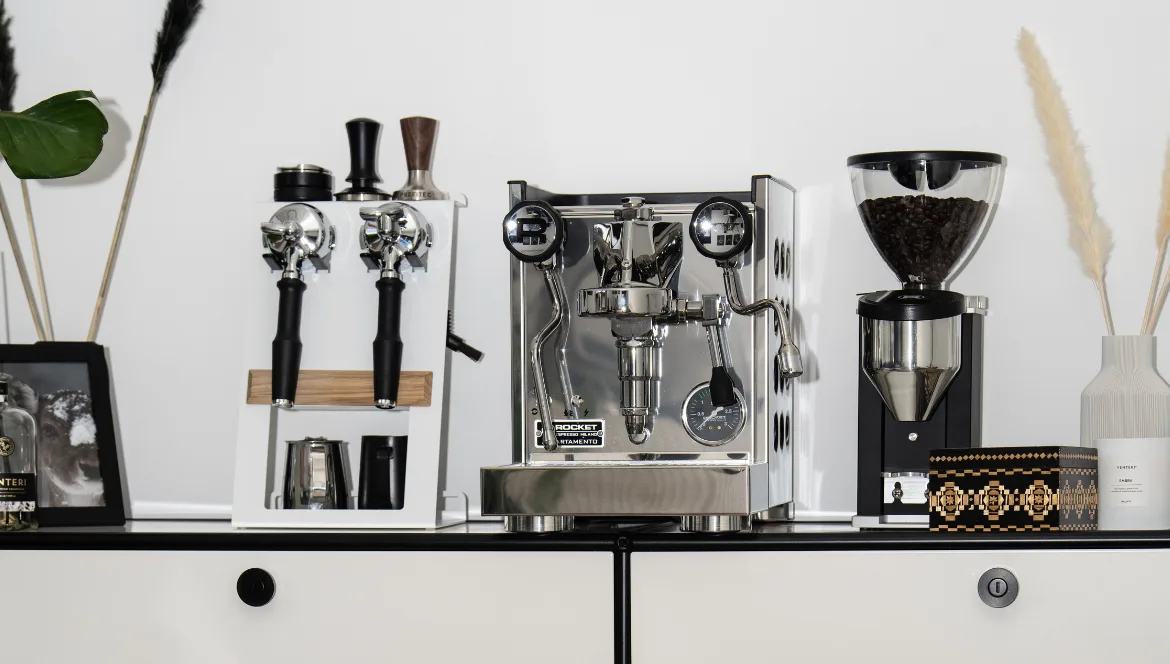
Why Your Grinder and Tamper are Non-Negotiable for Great Coffee
When you invest in a coffee machine, especially an espresso maker, you're buying into a system where every component plays a critical role. Many beginners overlook the grinder and tamper, thinking they're secondary accessories. However, these tools are foundational to the quality of your brew. A premium espresso machine can only perform its best with a consistent grind and a properly prepared puck. Without these, even the most expensive machine will struggle to produce a balanced, flavorful shot. It’s all about consistency and precision, which directly influence extraction.
Think of it this way: the grinder sets the stage for extraction by dictating the surface area of your coffee grounds. Too coarse, and water rushes through, resulting in an under-extracted, weak, and sour shot. Too fine, and water struggles to pass, leading to an over-extracted, bitter, and astringent cup. The tamper then ensures uniform water flow by compacting the grounds evenly. Together, they create the ideal environment for water to extract all the delicious compounds from your coffee, bringing out its true character.
:max_bytes(150000):strip_icc()/badge-sea-product-breville-barista-express-impress-espresso-machine-nsimpson-3341-c2258f63a2074a659f9e7bdc016f5ecf-55131e0fd1fc43b580106c53da08d84c.jpg)
Deciphering Coffee Grinders: The Heartbeat of Your Setup
Choosing the right grinder is arguably the most impactful decision you'll make for your coffee setup. It's the engine that drives consistency, which is key to repeatable great coffee.
Burr Grinders vs. Blade Grinders
This is the first and most critical distinction.
- Blade Grinders: These operate more like blenders, chopping coffee beans inconsistently. They produce a mix of fine powder and large chunks, making even extraction impossible. This leads to wildly unpredictable flavors—some parts of the coffee will be over-extracted, others under-extracted. I always advise against blade grinders for any serious coffee brewing.
- Burr Grinders: These use two abrasive surfaces (burrs) that grind coffee beans between them, crushing them into a uniform size. This consistency is paramount for even extraction, allowing water to interact with all coffee particles equally. This uniformity ensures you get the full flavor spectrum from your beans.
Conical Burrs vs. Flat Burrs
Within burr grinders, you'll find two main types, each with its own characteristics:
- Conical Burrs: These are typically found in many home espresso grinders and some high-end commercial models. They consist of a cone-shaped inner burr and a ring-shaped outer burr. Conical burrs are known for grinding at lower RPMs, which generates less heat, preserving the delicate aromatics of the coffee. They often produce a slightly wider particle distribution, which some baristas believe contributes to a richer body in espresso. From my experience, they are generally quieter and more forgiving for beginners learning to dial in espresso.
- Flat Burrs: These feature two parallel burrs that are flat and have teeth on their grinding surfaces. Coffee beans are fed between them and ground as they pass through. Flat burrs are known for producing a very uniform grind particle size, which can lead to a cleaner, brighter, and more defined flavor profile in espresso. They often run hotter and can be louder, but many coffee professionals swear by their precision for highlighting nuanced flavors. When trying to choose the right grinder, consider what kind of flavor profile you prefer.
Grind Settings and Consistency
A good grinder needs a wide range of grind settings, especially if you plan to brew various coffee types. For espresso, you'll need extremely fine adjustments, often called "stepless" adjustment, to truly dial in your shot.
- Stepped Grinders: These have pre-set notches for grind size. They are simpler to use but offer less precision for espresso.
- Stepless Grinders: These allow for infinite micro-adjustments between settings, which is essential for espresso where even a tiny change can significantly alter extraction. When you choose the right grinder, look for one that offers the necessary precision for your brewing method. Consistency in grind size across the entire dose is what separates a great grinder from a good one. A truly consistent grind minimizes channeling and ensures optimal extraction.
Dosing Mechanisms
How your grinder dispenses coffee grounds also matters:
- Doser Grinders: These collect ground coffee in a chamber and then dispense it with a lever. While common in cafes, they can lead to stale coffee if not emptied frequently.
- Doserless/On-Demand Grinders: These grind directly into your portafilter or a separate container as needed. This ensures freshness and reduces waste, making them ideal for home use. Many modern grinders feature timed dosing, allowing you to set the exact amount of coffee you need, which streamlines your routine and helps you choose the right grinder for daily convenience.
When I first started, I made the mistake of buying an inexpensive blade grinder, thinking "coffee is coffee." The frustration of inconsistent shots and wasted beans quickly taught me that the grinder is the absolute foundation. Upgrading to a quality burr grinder was like seeing in color after a lifetime of black and white; the flavors exploded, and the consistency became a joy.

The Essential Tamper: Your Key to a Perfect Puck
Once your coffee is perfectly ground, the tamper steps in to prepare it for extraction. It might seem simple, but a good tamper and proper technique are crucial for achieving an even, consistent extraction.
Tamper Size and Portafilter Compatibility
This is non-negotiable: your tamper must precisely fit your portafilter basket.
- Standard Espresso Tamper Sizes: The most common sizes are 58mm for commercial machines and many high-end home espresso machines, and 51mm, 53mm, or 54mm for various smaller home machines like Breville or De'Longhi.
- Measurement: Always measure the inside diameter of your portafilter basket before purchasing a tamper. A tamper that's too small will leave a ring of uncompressed grounds around the edge, leading to channeling. One that's too large simply won't fit. I've seen countless beginners struggle because they didn't realize the importance of matching sizes exactly. When you choose the right grinder and tamper, make sure the tamper is snug.
Tamper Weight and Handle Material
The feel of your tamper in hand is important for comfort and control.
- Weight: Tampers vary in weight, typically from lightweight plastic to heavy stainless steel. A heavier tamper can feel more substantial and help apply pressure, but ultimately, the pressure comes from your arm. However, a good weight gives a sense of quality and stability.
- Handle Material: Handles are often made from wood, aluminum, or stainless steel. This largely comes down to personal preference for aesthetics and ergonomics. Choose a handle that feels comfortable and natural in your hand, as you'll be using it daily.
Types of Tampers
Beyond the basic flat tamper, there are a few specialized options:
- Flat Tampers: The most common and versatile, providing an even, level tamp. This is what most baristas use and what I recommend for beginners and pros alike.
- Ripple/Convex Tampers: These have a slightly curved or textured base. Some believe they help prevent channeling by pushing grounds towards the edges, but their effectiveness is debated and they can be harder to achieve a perfectly level tamp.
- Calibrated Tampers: These are designed with a spring mechanism that clicks when you apply a specific amount of pressure (e.g., 30 lbs). They can be excellent for ensuring consistent tamping pressure, especially for beginners or those training new baristas. This takes the guesswork out of applying the right force, helping you choose the right grinder and tamper for consistency.
- Self-Leveling/Distribution Tampers: These tools often combine a distribution function (leveling the grounds before tamping) with a self-leveling tamper mechanism. They sit on the rim of the portafilter basket, ensuring a perfectly level tamp every time, regardless of your technique. This is a fantastic option for reducing variables and achieving consistency.
I remember my first "fancy" tamper – a cheap, lightweight plastic one that came with my espresso machine. It was barely effective. Upgrading to a solid, perfectly sized stainless steel tamper felt like a game-changer. The improved puck integrity was immediately visible, leading to consistently better shots. It’s a small detail that makes a huge difference in how you choose the right grinder and tamper.
:max_bytes(150000):strip_icc()/sea-primary-coffee-grinders-oct-24-nsimpson-207-b439c1ef1a674697b2825604e5321d5c.jpeg)
Matching Grinder and Tamper to Your Coffee Machine Setup
The synergy between your grinder, tamper, and espresso machine is what elevates your coffee experience.
Espresso Machines
For espresso, precision is paramount. You absolutely need a burr grinder with stepless (or very fine stepped) adjustment. Espresso requires extremely fine grind sizes, and the ability to make minute adjustments is crucial for dialing in your shots. Pairing this with a perfectly sized, high-quality tamper, possibly a calibrated or self-leveling one, will ensure optimal puck preparation. If you have a high-end espresso machine, skimping on the grinder is like putting regular gas in a sports car – it won't perform to its potential. I always recommend allocating a significant portion of your budget to the grinder when you choose the right grinder and tamper for an espresso setup.
Filter Coffee (Pour Over, Drip, French Press)
While still requiring a burr grinder, the demands are slightly different for filter coffee. You'll need a wider range of grind sizes, from medium-fine for pour-over to coarse for French press. Stepped grinders are often perfectly adequate here, as the precision needed isn't as extreme as with espresso. Consistency is still key, but a good quality conical burr grinder designed for filter brewing will serve you well. Tampers are not typically used for these brewing methods. However, if you're venturing into different brew methods, you'll still need to choose the right grinder.
Grinder and Machine Integration
Consider how your grinder integrates with your workflow. Do you want to grind directly into your portafilter? Or do you prefer to grind into a dosing cup and then transfer? Many grinders offer portafilter cradles or specific designs for this purpose. When you choose the right grinder, think about your daily routine.
I once consulted with a friend who had just bought a beautiful prosumer espresso machine but was using a budget blade grinder. Her shots were all over the place. We swapped out her grinder for a quality stepless burr model, and within minutes, she was pulling crema-rich, delicious espresso. It really hammered home that even the best machine is hobbled by a poor grinder.

Budgeting for Your Coffee Tools
Let's talk money, because setting up a great coffee station is an investment. When you choose the right grinder and tamper, the budget is a real consideration.
- Grinder Investment: This is where you should allocate the most significant portion of your budget. A good entry-level espresso-capable burr grinder starts around $200-$300. Mid-range options are typically $500-$1000, and high-end models can easily exceed $1000. For filter coffee only, you can find excellent burr grinders for $100-$200. My advice: buy the best grinder you can afford. It truly pays dividends in flavor and consistency. When you choose the right grinder, prioritize quality over cost-cutting.
- Tamper Investment: Fortunately, tampers are much more affordable. A high-quality, perfectly sized tamper will typically range from $30-$100. It's a small but essential investment that will last for years. Avoid the temptation to use the cheap plastic tamper that often comes with espresso machines; upgrade it immediately. This is a relatively minor cost when you choose the right grinder and tamper.
Maintenance and Longevity
To ensure your chosen grinder and tamper continue to perform optimally, proper care is essential.
- Grinder Cleaning: Burr grinders require regular cleaning to remove old coffee oils and fines, which can impact flavor and consistency. Most manufacturers recommend weekly or bi-weekly cleaning, often involving specialized grinder cleaning tablets or a brush and vacuum to remove accumulated grounds. Always refer to your grinder's manual for specific instructions. Neglecting cleaning will degrade the quality of your grind over time.
- Burr Replacement: Grinder burrs are wear-and-tear items. Over time, they dull, affecting grind quality. The lifespan depends on usage, but burrs typically need replacement every few years for home users.
- Tamper Care: Tampers are relatively low-maintenance. Keep the base clean by wiping it with a damp cloth to prevent coffee oils from building up. If it has a wooden handle, avoid prolonged exposure to water to prevent damage. This simple care ensures your tamper lasts a lifetime.
When I started, I didn't realize how crucial grinder cleaning was. My coffee slowly started tasting dull. A thorough cleaning, removing all the gunk, immediately brought back the vibrant flavors. It taught me that these tools aren't just one-time purchases; they're part of an ongoing commitment to great coffee. This attention to detail is part of how you choose the right grinder and tamper and keep them performing their best.
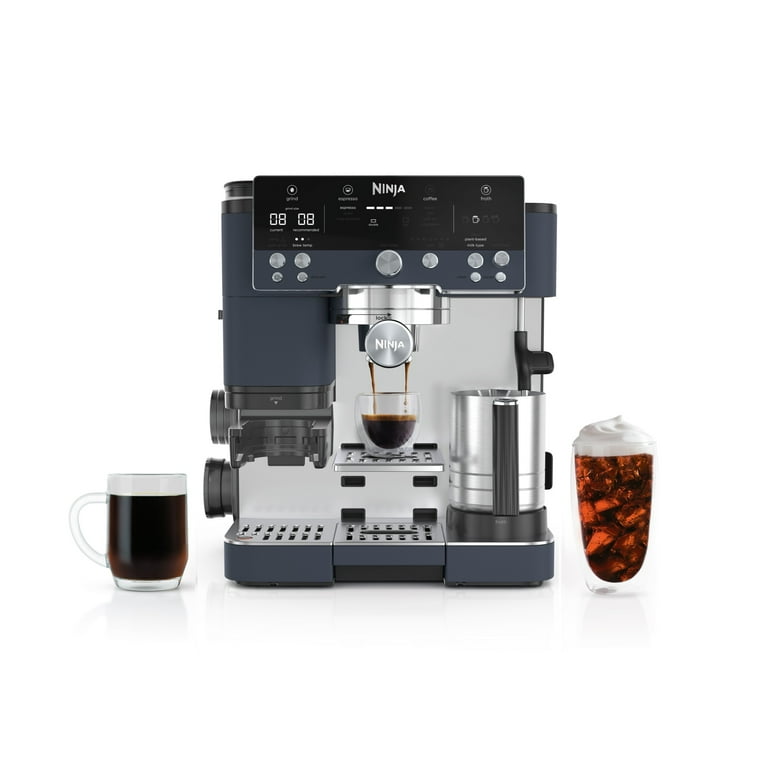
Frequently Asked Questions of How do you choose the right grinder and tamper for a coffee machine setup?
What is the most important factor when choosing a coffee grinder?
The most important factor is consistency in grind size, which means opting for a burr grinder over a blade grinder, especially for espresso, to ensure even extraction and superior flavor.
How do I know what size tamper to buy for my espresso machine?
You must accurately measure the inside diameter of your portafilter basket in millimeters; common sizes are 51mm, 53mm, 54mm, or 58mm, and your tamper should match this size precisely.
Can a cheap grinder ruin expensive coffee beans?
Absolutely, a cheap or inconsistent grinder, like a blade grinder, can ruin even the best coffee beans by producing uneven grinds that lead to poor extraction and bitter or sour flavors.
Is a calibrated tamper worth the investment?
A calibrated tamper can be a worthwhile investment for beginners or anyone seeking maximum consistency, as it removes the guesswork from tamping pressure and helps ensure repeatable results.
Should I prioritize my budget on the grinder or the espresso machine?
When setting up your coffee station, prioritize investing more in a high-quality grinder, as its impact on grind consistency and flavor extraction is often more significant than that of the espresso machine itself.
Conclusion
Navigating the world of coffee equipment can seem daunting, but understanding the pivotal roles of the grinder and tamper simplifies your journey to exceptional coffee. By prioritizing a quality burr grinder that offers precise, consistent grind settings, and pairing it with a perfectly sized, ergonomic tamper, you’re not just buying tools—you’re investing in the very foundation of your daily coffee ritual. This thoughtful selection is how you truly choose the right grinder and tamper that will elevate every cup, transforming a simple beverage into an experience. So, take the time to research, measure, and choose wisely. Your taste buds will thank you. For more in-depth reviews and personal recommendations, feel free to explore additional resources and share your own experiences in the comments below!