Clover Coffee Machine vs Synesso vs La Marzocco: Is It Worth It?
Choosing the right coffee machine, especially when comparing the unique Clover coffee machine to titans like Synesso or La Marzocco, is less about a simple "yes" or "no" and more about understanding what you value in your brew. The Clover coffee machine offers unparalleled single-cup precision and flavor clarity, contrasting with the robust, consistent power of high-end espresso machines. For any serious coffee enthusiast or cafe owner, understanding the distinct philosophies behind these machines is crucial. We’re diving deep into the intricate world of coffee brewing, comparing these formidable contenders to help you discern which investment truly aligns with your coffee vision. Prepare to explore the nuances of flavor, technology, and value that define these extraordinary pieces of coffee engineering.
Understanding the Contenders: Clover vs. Espresso Powerhouses
When we talk about the Clover coffee machine versus espresso giants like Synesso or La Marzocco, we're not comparing apples to apples; it's more like comparing a masterfully crafted single-malt scotch to a beautifully aged cabernet sauvignon. Both are exceptional, but they serve different palates and purposes. The Clover coffee machine operates on a unique vacuum-press brewing method, designed to highlight the individual characteristics of single-origin beans with incredible precision and consistency, one cup at a time. It's a marvel of controlled brewing, often seen as a connoisseur's dream for its ability to extract the purest flavors.
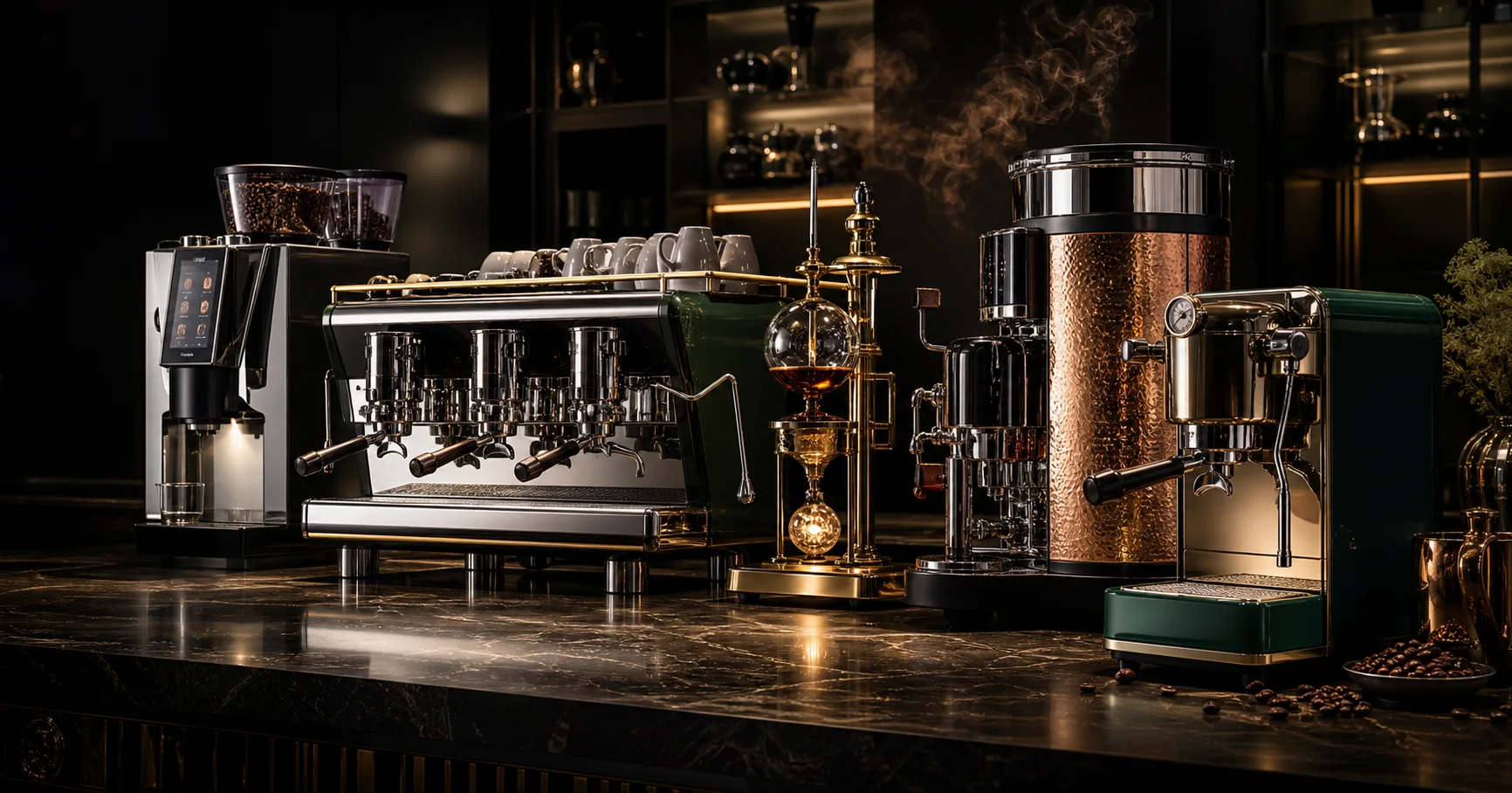
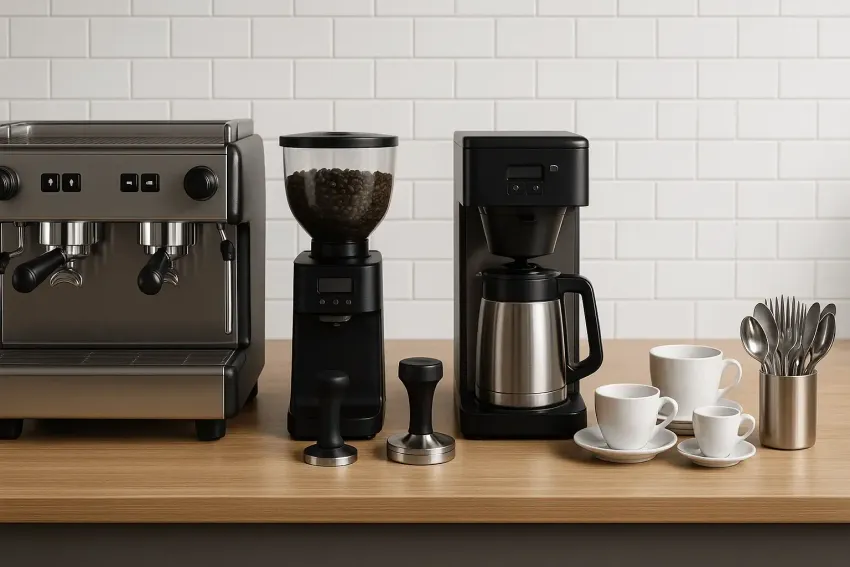
On the other side, we have the espresso machines—Synesso and La Marzocco standing tall as paragons of espresso engineering. These machines are built for consistency, power, and the art of pressure extraction, creating the rich, concentrated shots that form the heart of lattes, cappuccinos, and countless other coffee beverages. From their multi-boiler systems ensuring temperature stability to their robust build quality, they are designed to perform reliably in high-volume commercial settings, churning out shot after perfect shot. My first encounter with a Clover machine was revelatory; the clarity of flavor was unlike anything I’d tasted, a stark contrast to the familiar, comforting punch of a perfectly pulled espresso shot from a La Marzocco.
The Clover Coffee Machine: A Deep Dive into Precision Brewing
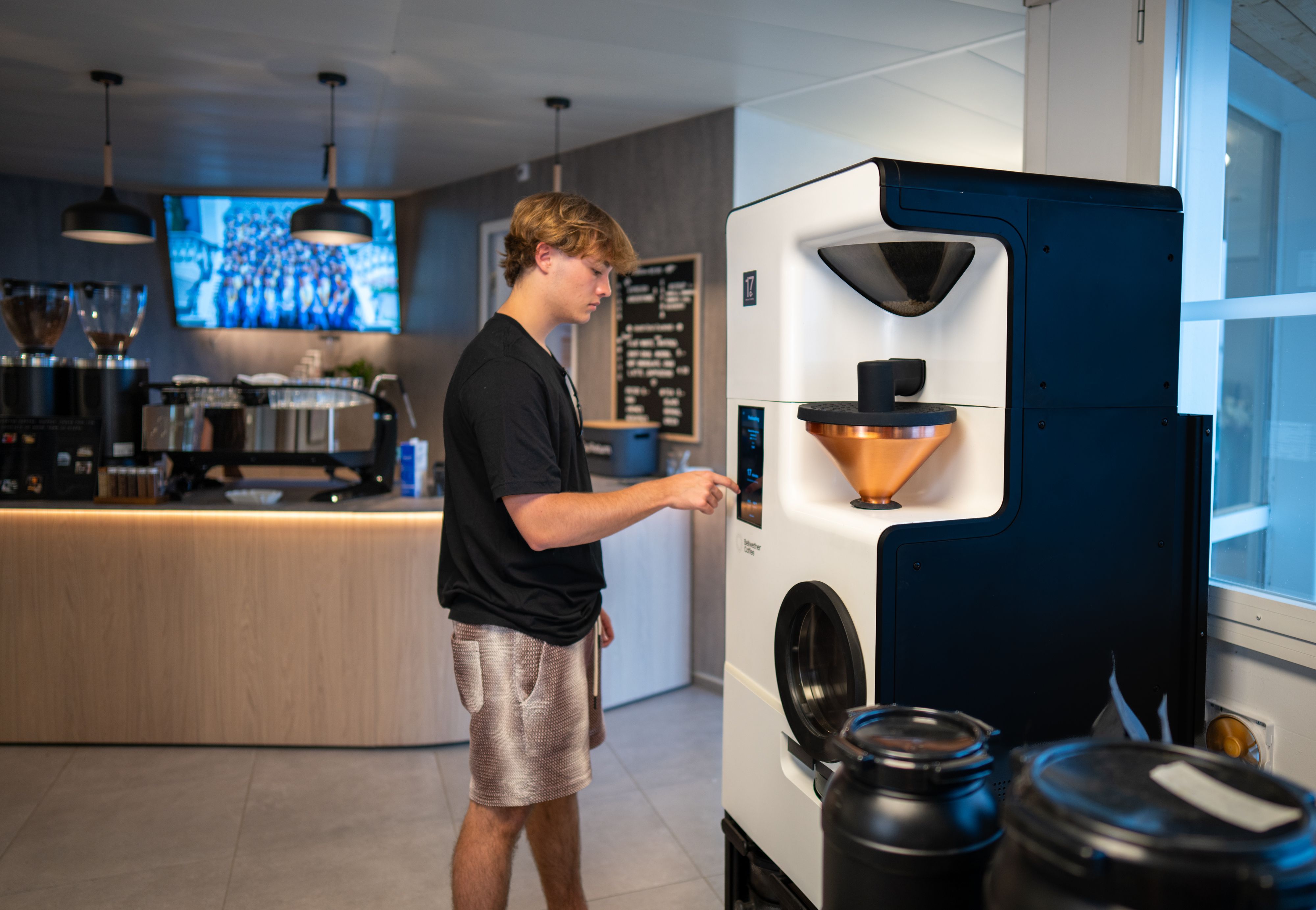
The Clover coffee machine, once a revolutionary device, brought a level of scientific precision to filter coffee that was previously unimaginable. At its core, it's a single-cup, vacuum-press brewer that meticulously controls every variable: water temperature, contact time, and agitation. You place your freshly ground coffee into the brew chamber, select your desired recipe, and the machine does the rest, immersing the grounds in hot water before a piston descends, creating a vacuum that pulls the brewed coffee through a fine filter. This innovative process ensures that each cup is brewed identically, minimizing human error and maximizing flavor clarity.
What truly sets the Clover coffee machine apart is its ability to showcase the subtle nuances of high-quality, single-origin beans. It excels at delivering a clean, bright, and incredibly transparent cup, allowing the unique notes—floral, fruity, earthy—to shine through without interference. For roasters, it was a dream tool for demonstrating their finest offerings. However, its single-cup focus means it's not designed for high-volume output in the way an espresso machine is, and its initial high price point and eventual acquisition by Starbucks in 2007 made it a rare sight outside of select locations. While no longer manufactured, its legacy of precision brewing continues to inspire new technologies in the specialty coffee world.
The Espresso Titans: Synesso and La Marzocco's Realm
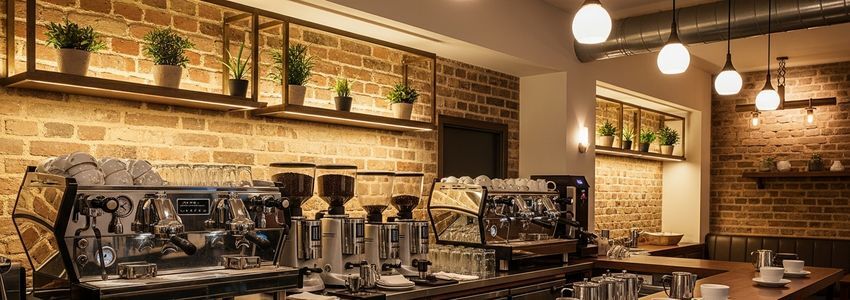
When you step into the world of commercial espresso, Synesso and La Marzocco are names that command immense respect, synonymous with reliability, innovation, and exceptional espresso. Synesso machines are often celebrated for their robust engineering and unparalleled temperature stability, largely due to their individual brew boilers for each group head. This meticulous thermal control allows baristas to fine-tune extraction parameters with incredible precision, ensuring a consistent and perfectly balanced espresso shot every time. Their machines are built like tanks, designed for heavy use and longevity in busy cafes, making them a favorite among baristas who demand ultimate control and durability.
La Marzocco, on the other hand, boasts a rich heritage dating back to 1927, known for its iconic design, innovative features, and a commitment to quality that has made it a global standard. Their dual-boiler systems, saturated group heads, and PID temperature control ensure remarkable consistency and thermal stability, crucial for extracting the best from various coffee beans. Whether it's the classic Linea or the sophisticated Strada, La Marzocco machines are workhorses that combine aesthetic appeal with powerful performance, capable of handling rapid, high-volume demand while still delivering sublime espresso. The sheer engineering prowess and the ability to craft multiple milk-based drinks quickly and consistently are what these machines truly excel at, making them the backbone of countless successful cafes worldwide.
Comparing Price Points and Value Propositions
Diving into the cost comparison between the Clover coffee machine and high-end espresso machines like Synesso or La Marzocco reveals vastly different value propositions. Historically, a new Clover coffee machine commanded a price tag upwards of $11,000, a significant investment for a single-cup brewer. While they are no longer in production for new sales, finding one on the secondary market can still be costly, reflecting its unique technological appeal. The operational costs, while not involving milk or syrups, still lean heavily on premium, specialty coffee beans to truly justify its precision.
In contrast, a new commercial espresso machine from Synesso or La Marzocco typically ranges from $10,000 to upwards of $30,000, depending on the model, features, and number of group heads. These machines are built for high-volume commercial use, with their value proposition tied to speed, consistency, and the ability to produce a wide array of milk-based beverages, which often constitute the bulk of a cafe's sales. Operational costs include not just premium beans, but also milk, syrups, and the significant maintenance required for complex pressure systems. For a cafe, the ROI on an espresso machine is clear: it’s a revenue generator. For the Clover coffee machine, the value was in the experience and the unparalleled showcasing of coffee origins, appealing to a niche segment willing to pay a premium for that specific cup.
Flavor Profiles and User Experience: A Tale of Two Brews
The flavor experience delivered by a Clover coffee machine is distinctly different from that of an espresso machine, offering a "tale of two brews" for the discerning palate. The Clover, with its controlled vacuum-press method, produces a cup that is remarkably clean, bright, and highlights the intricate flavor notes of single-origin coffees. It's an exploration of terroir and processing, revealing subtle complexities like delicate florals, bright fruit acidity, or nuanced sweetness with stunning clarity. This method minimizes bitterness and sediment, offering a very pure and nuanced drinking experience that coffee connoisseurs often seek to appreciate the roast and origin without interference.
Espresso, on the other hand, is a journey of intensity and richness. Pulled under high pressure, an espresso shot is characterized by its concentrated flavor, velvety body, and the signature crema—a reddish-brown foam that adds to its complex aroma and mouthfeel. It's a powerful experience, delivering notes of chocolate, caramel, nuts, and roasted flavors in a dense, aromatic shot. The user experience also differs: while the Clover machine, once programmed, is relatively automated for consistent single cups, operating a Synesso or La Marzocco requires significant barista skill, from precise grinding and tamping to steaming milk and pouring latte art. It's an art form, engaging the barista deeply in the creation of each drink.
Who is the Clover Coffee Machine For? And Who Needs an Espresso Giant?
Understanding who benefits most from each type of machine is key to determining their "worth." The Clover coffee machine was a perfect fit for a very specific niche: specialty coffee shops or roasters eager to showcase their most exquisite single-origin beans. Its ability to extract clear, distinct flavors made it an ideal tool for educational tastings, allowing customers to truly appreciate the subtle differences between coffees. It appealed to the coffee purist, someone who prioritizes flavor clarity and the unique characteristics of each bean over speed or volume. While the original Clover coffee machine is a relic of the past, its ethos lives on in other high-precision single-cup brewers.
Conversely, an espresso giant like a Synesso or La Marzocco is an absolute necessity for virtually any modern cafe, restaurant, or high-volume establishment. These machines are the backbone of commercial coffee service, designed to quickly and consistently produce the espresso shots needed for a vast menu of milk-based drinks—lattes, cappuccinos, americanos—that form the foundation of most coffee shop revenue. For a business that needs to serve hundreds of customers daily without compromising on quality, or for a serious home barista passionate about crafting professional-grade espresso and milk drinks, the investment in such a machine is unequivocally justified by its performance, reliability, and versatility. It's about meeting diverse customer demands efficiently and consistently.
Frequently Asked Questions
What makes the Clover coffee machine so unique?
The Clover coffee machine is unique for its vacuum-press brewing method, which precisely controls water temperature, contact time, and agitation to produce extremely clean and consistent single cups of coffee, highlighting the specific flavor notes of each bean.
Is the Clover machine still widely available?
The original Clover coffee machine is no longer manufactured or widely available for purchase as new equipment, having been acquired by Starbucks in 2007. They can occasionally be found on the secondary market, but are quite rare.
How does the flavor from a Clover compare to pour-over?
The flavor from a Clover coffee machine is often compared to a highly refined pour-over, offering similar clarity and brightness but with even greater consistency due to its automated, precise control over all brewing variables, minimizing human error.
What are the main advantages of a La Marzocco over a Synesso?
While both are excellent, La Marzocco machines are often noted for their iconic design, historical heritage, and widespread global support, along with features like volumetric dosing and diverse model ranges catering to various aesthetic and functional needs.
Can a home user realistically own a Clover coffee machine?
Realistically, owning a Clover coffee machine as a home user is very difficult due to their scarcity, high initial cost, and the fact they are no longer produced. Modern high-end pour-over brewers or single-serve specialty machines offer more accessible alternatives.
Which machine is better for high-volume cafes?
For high-volume cafes, an espresso machine from brands like Synesso or La Marzocco is unequivocally better. They are designed for speed, consistency, and the production of multiple espresso-based and milk-based drinks simultaneously, which is crucial for cafe revenue.
Conclusion
Ultimately, whether the Clover coffee machine is "worth its price" compared to espresso machines like Synesso or La Marzocco boils down to your specific coffee priorities and business model. The Clover represented the pinnacle of single-cup, precision brewing, designed for showcasing the exquisite nuances of specialty beans with unmatched clarity. It was a tool for the ultimate coffee purist or a roaster demonstrating their craft. In contrast, Synesso and La Marzocco machines are engineering marvels built for the relentless demands of commercial espresso, offering consistency, speed, and the versatility to create a vast menu of beloved coffee beverages.
Instead of viewing it as one being inherently "better" than the other, consider them as different instruments in a master barista's orchestra. Your decision should be guided by what kind of coffee experience you aim to deliver or enjoy. If your passion lies in exploring the pristine, unadulterated flavors of single-origin coffees, and you value precision over volume, the legacy of the Clover might resonate with you, inspiring a look into similar high-precision brewers available today. However, if your world revolves around the rich intensity of espresso, the art of latte making, and serving a diverse clientele quickly and consistently, then investing in a robust Synesso or La Marzocco is a clear path to coffee success. Explore your coffee journey, define your ideal cup, and choose the machine that helps you brew it best. What's your coffee priority? Share your thoughts or dive deeper into specific machine features in the comments below!