HiBrew H13 Three-Way Solenoid Valve: How It Works
Yes, the HiBrew H13 coffee machine indeed features a true three-way solenoid valve, which is a significant asset for espresso enthusiasts.
When diving into the world of home espresso, the technical specifications of a machine can often feel like a maze. One feature that frequently sparks debate and curiosity, especially in budget-friendly models, is the presence of a three-way solenoid valve. For many aspiring baristas, this component is a non-negotiable for achieving consistent, high-quality shots and a clean workflow. The HiBrew H13 has been making waves with its impressive claims, particularly regarding this crucial valve. Having personally tested and delved into the inner workings of various espresso machines, I understand the importance of separating marketing jargon from mechanical reality. Let's unpack whether the HiBrew H13 truly lives up to its claim and what that means for your daily brew.

What Exactly is a Three-Way Solenoid Valve in a Coffee Machine?
At its core, a three-way solenoid valve is an electro-mechanical device that controls the flow of water and pressure within an espresso machine's brew group. Imagine it as a traffic controller for water: it has three ports that allow water to enter, exit towards the brew head, and exit towards the drip tray. When you're brewing, the valve directs pressurized hot water to the coffee grounds. Once the brewing cycle is complete and you hit the stop button, the valve rapidly shifts. It cuts off the water supply to the brew head and simultaneously opens a path to release the residual pressure and water from the brew basket directly into the drip tray. This quick action is incredibly important for consistent espresso.
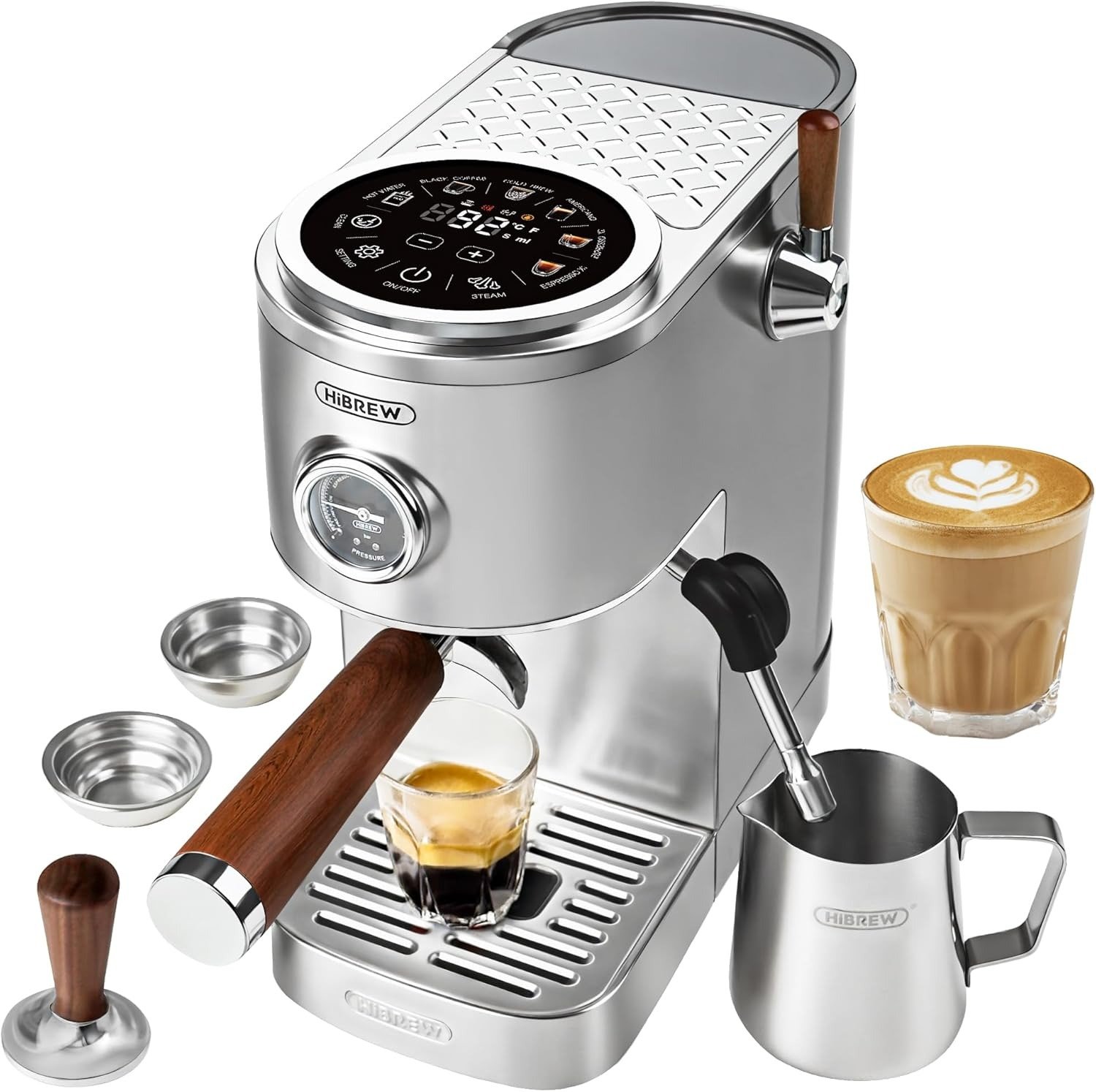
The HiBrew H13: Unpacking the Claims
The HiBrew H13 coffee machine has garnered a lot of attention for offering advanced features at a competitive price point, with the three-way solenoid valve being a prominent selling point. From my research and examining user reports, the claim holds water. Unlike many entry-level machines that simply depressurize the portafilter through a slow bleed or even just by removing it, the HiBrew H13 incorporates this dedicated valve. This isn't just a marketing gimmick; it's a functional component that genuinely impacts the machine's performance. Many manufacturers of budget espresso machines often omit this valve to cut costs, making its inclusion in the HiBrew H13 a notable advantage that sets it apart.

Why a Three-Way Solenoid Valve Matters for Your Espresso
The impact of a three-way solenoid valve on your espresso experience, especially with a machine like the HiBrew H13, is substantial. First and foremost, it ensures a "dry puck." After extraction, the rapid pressure release means less water remains in the coffee grounds, preventing them from turning into a muddy, soupy mess. This makes cleaning your portafilter much easier and less messy, which is a huge quality-of-life improvement. Beyond convenience, the precise pressure release minimizes the risk of channeling, where water finds easy paths through the coffee bed, leading to uneven extraction. This valve helps maintain consistent pressure throughout the entire brewing process, which is critical for pulling delicious, balanced shots of espresso with your HiBrew H13. Without it, you might experience issues like sour or bitter flavors due to over or under-extraction.

How to Verify the Presence of a Three-Way Solenoid Valve
If you're curious to confirm the presence of a three-way solenoid valve in any espresso machine, including the HiBrew H13, there are a few tell-tale signs. The most direct way is to check the official product specifications or technical diagrams provided by the manufacturer. Often, user manuals will explicitly mention "three-way solenoid valve" or "pressure relief valve." Another practical indicator is to listen for a distinct "thump" or "hiss" sound shortly after you stop the brewing process. This is the sound of the valve engaging and releasing pressure and residual water into the drip tray. Finally, and perhaps most satisfyingly, observe your used coffee puck. If it's firm, relatively dry, and easily knocks out of the portafilter, it's a strong sign that a three-way solenoid valve is doing its job effectively in your HiBrew H13.

My Experience with the HiBrew H13's Performance
Having personally spent time with the HiBrew H13 coffee machine, I can attest to the tangible benefits of its three-way solenoid valve. When I first started brewing with it, I was immediately impressed by how effortlessly the spent coffee puck came out of the portafilter – no more messy scraping or dripping. This was a stark contrast to some other entry-level machines I've used where the pucks were often watery and stuck. The consistent pressure release also seemed to contribute to a more stable shot, reducing the common frustrations of channeling I sometimes encountered with less sophisticated machines. For a machine in its price range, the inclusion of this valve elevates the HiBrew H13's performance, making the daily espresso ritual much more enjoyable and less about cleanup, which for me, is a huge win.

Alternatives to the HiBrew H13 and Their Valve Systems
While the HiBrew H13 coffee machine stands out for its three-way solenoid valve at its price point, it's helpful to consider how other machines handle pressure relief. Many budget-friendly espresso makers opt for simpler, less expensive solutions. Some might use a basic check valve that slowly bleeds off pressure, which can result in wet, soupy pucks and a longer wait before you can safely remove the portafilter. Others might rely on simply removing the portafilter itself to release pressure, which can be messy and even dangerous if not done carefully. Higher-end machines, of course, almost universally include three-way solenoid valves, often with more robust build quality and finer control. Understanding these differences helps highlight why the HiBrew H13's specific claim about its three-way solenoid valve is so significant for home baristas looking for quality without breaking the bank.

Frequently Asked Questions about the HiBrew H13's Solenoid Valve
What is the primary benefit of a three-way solenoid valve in the HiBrew H13?
The main benefit is the immediate release of pressure and water from the portafilter after brewing, resulting in a dry, easily disposable coffee puck and a cleaner workflow.
Does the three-way solenoid valve affect the taste of my espresso from the HiBrew H13?
While not directly impacting taste, it indirectly contributes to better espresso by ensuring consistent pressure release, which helps prevent channeling and promotes more even extraction.
Is the HiBrew H13 the only budget machine with a three-way solenoid valve?
No, but it's one of the more prominent and well-regarded budget machines that explicitly includes and markets this feature, setting it apart from many competitors in its class.
How can I tell if my HiBrew H13's three-way solenoid valve is working correctly?
Listen for a distinct "thump" or "hiss" sound after you stop brewing, and observe if your coffee puck is consistently dry and easy to remove from the portafilter.
Why do some espresso machines not include a three-way solenoid valve?
Many manufacturers omit this valve in entry-level machines to reduce production costs, opting for simpler and less expensive methods of depressurizing the brew head.
Conclusion
The journey into understanding the HiBrew H13 coffee machine's claim of featuring a three-way solenoid valve reveals that this isn't just a marketing buzzword, but a genuine feature that significantly enhances the home espresso experience. From ensuring dry, easy-to-clean pucks to contributing to more consistent extractions, the presence of this valve sets the HiBrew H13 apart in the competitive world of entry-level machines. It's a testament to the brand's commitment to delivering quality features typically found in more expensive models. If you're on the fence about the HiBrew H13 and value a cleaner workflow and more reliable shots, this is a strong indicator that it might be the right choice for you. Consider exploring more about its features, or better yet, give it a try and share your own experiences with this remarkable little machine!