Pod Coffee Machines: Pros and Cons for Home Brewing
Pod-based coffee machines offer unparalleled convenience and consistency, while traditional brewing methods deliver superior flavor customization and cost-effectiveness.
The daily ritual of coffee is deeply personal, and the choice between a swift, single-serve pod or a more hands-on traditional brew can dramatically shape your morning. As someone who has navigated countless coffee machines, from simple drip brewers to the latest in pod technology, I understand the nuances that separate these two popular approaches. This article will delve into the comprehensive pros and cons of pod-based coffee machines compared to traditional brewing methods, helping you make an informed decision for your kitchen counter and your caffeine cravings.

The Rise of Pod-Based Coffee Machines: A Modern Convenience
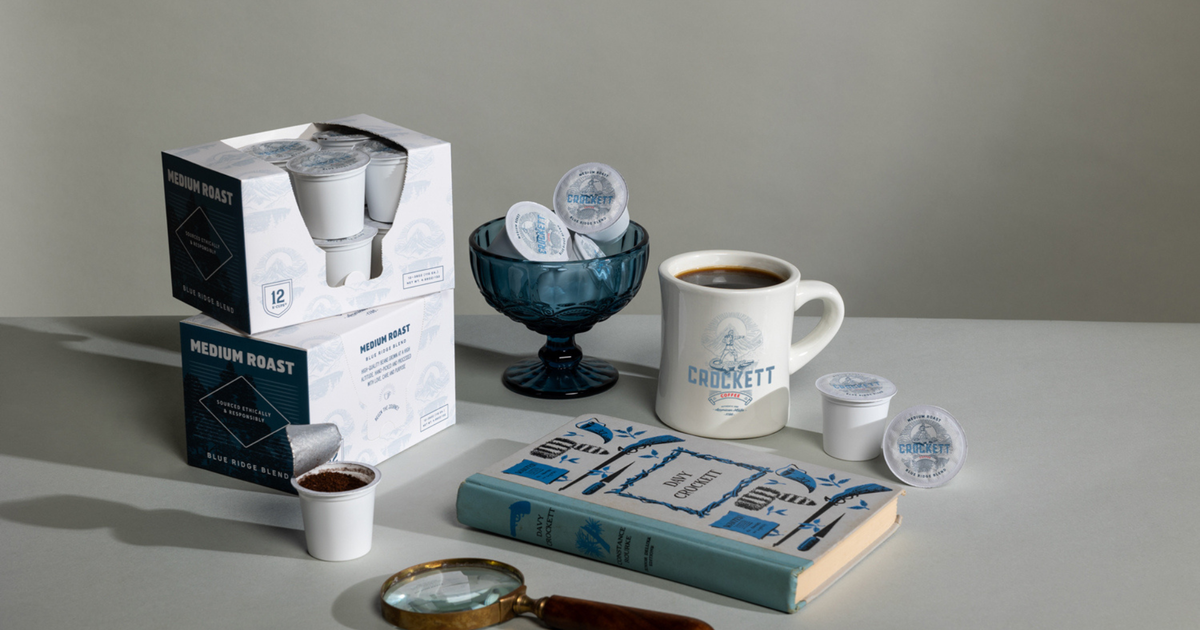
Pod-based coffee machines, spearheaded by brands like Keurig and Nespresso, have revolutionized how many of us get our daily caffeine fix. They burst onto the scene promising speed and simplicity, quickly becoming a staple in homes and offices worldwide. I remember when the first pod machine arrived in our office; it felt like magic – a perfect cup of coffee with the touch of a button, no mess, no fuss. These machines use pre-portioned coffee pods or capsules, delivering a fresh brew almost instantly.
The Brilliant Benefits of Pod-Based Coffee Machines
There's no denying the appeal of pod-based coffee machines. Their advantages often align perfectly with our fast-paced lifestyles, making them incredibly popular.
- Unmatched Convenience and Speed: This is arguably the biggest draw. From power-on to a hot cup of coffee, the process takes mere seconds. There's no grinding beans, measuring water, or waiting for a full pot to brew, making pod-based coffee machines ideal for busy mornings.
- Consistent Taste Every Time: Each pod contains a precisely measured amount of coffee, ensuring that every cup tastes exactly the same. You don't have to worry about variations due to grind size or coffee-to-water ratios, which can be a relief for those who value predictability.
- Variety at Your Fingertips: The sheer range of flavors, roasts, and even tea or hot chocolate options available in pods is staggering. You can easily switch from a dark roast to a light blend, or even a decaf, with minimal effort. This makes pod-based coffee machines incredibly versatile for households with diverse preferences.
- Minimal Cleanup: One of my favorite aspects of using pod-based coffee machines is the lack of mess. There are no loose coffee grounds to wipe up, and often, only the cup and drip tray need a quick rinse. The used pod is simply ejected, keeping your kitchen cleaner.
- Perfect Portion Control: Each pod brews a single serving, eliminating wasted coffee from brewing a full pot when you only need one cup. This is particularly beneficial for single households or those who drink coffee intermittently throughout the day.
Source: coffeedrinklab.com
The Downsides to Consider: Where Pods Fall Short
While pod-based coffee machines offer undeniable convenience, they also come with a set of drawbacks that are important to consider before investing.
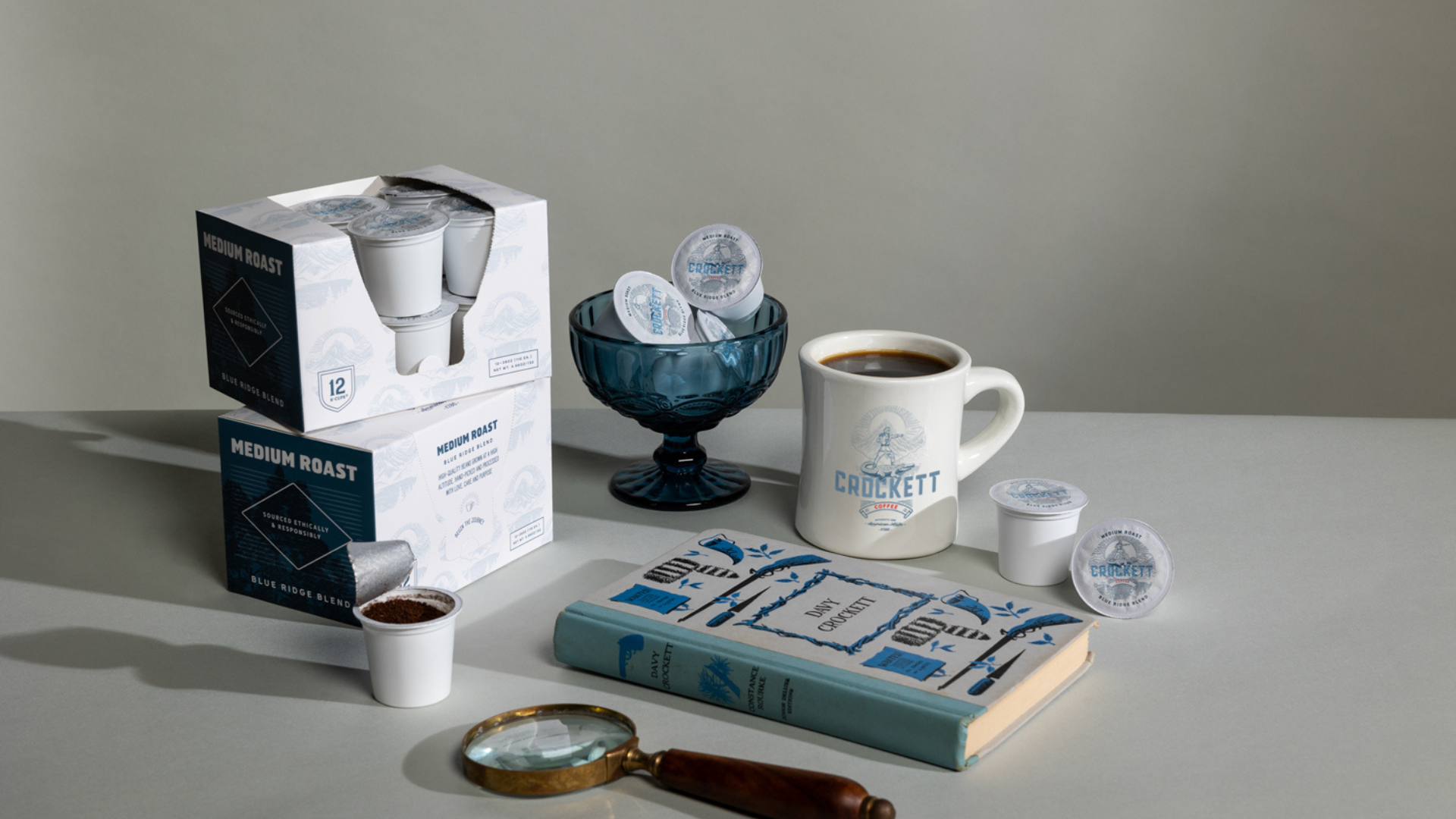
- Significant Environmental Impact: The biggest criticism leveled against pod-based coffee machines is the waste they generate. Most coffee pods are made from plastic and aluminum, materials that are not always easily recyclable in many municipal systems, leading to millions of pods ending up in landfills.
- Higher Cost Per Cup: While the machines themselves can be affordable, the cost of individual coffee pods adds up quickly. When you break it down, a single cup of pod coffee can be significantly more expensive than coffee brewed from whole beans, potentially costing you more in the long run.
- Limited Customization: Despite the variety of pod flavors, you have very little control over the actual brewing process. You can't adjust grind size, water temperature, or extraction time, which can limit the ability to fine-tune your coffee to your exact preference.
- Machine Maintenance & Longevity: Pod-based coffee machines, like any appliance, require regular descaling and cleaning. If not maintained properly, mineral buildup can affect performance and longevity. Plus, specific pods are often tied to specific machines, limiting future flexibility.
- Flavor Nuance Can Be Lacking: For true coffee connoisseurs, the flavor from a pod often falls short compared to freshly ground and brewed coffee. The pre-ground coffee in pods can lose some of its aromatic oils and complexity over time, even with airtight sealing.
Source: crockettcoffee.com
Traditional Brewing Methods: The Timeless Appeal
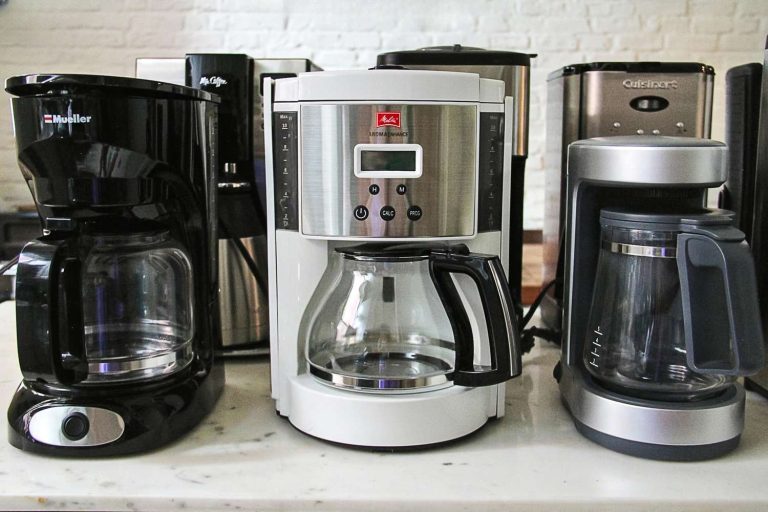
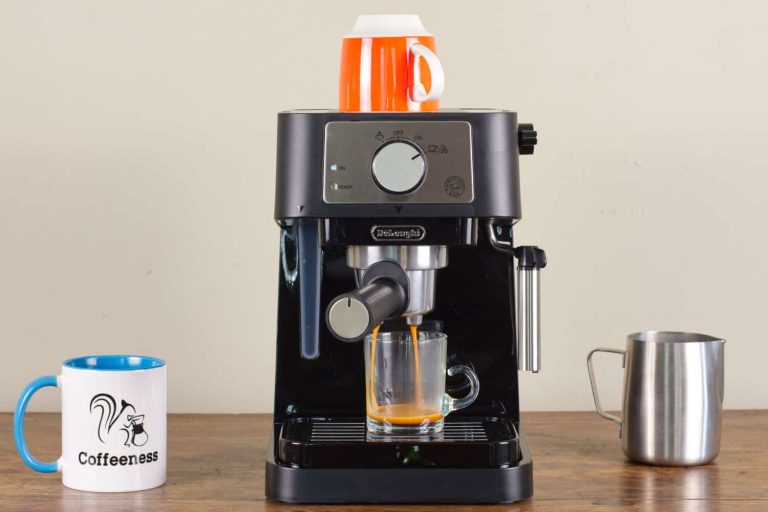
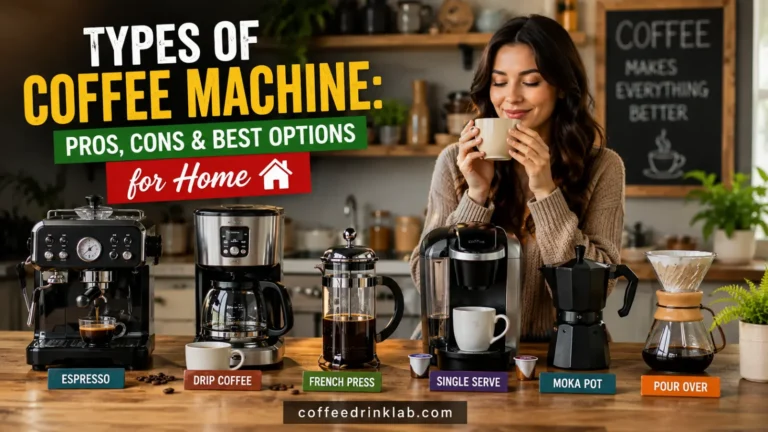
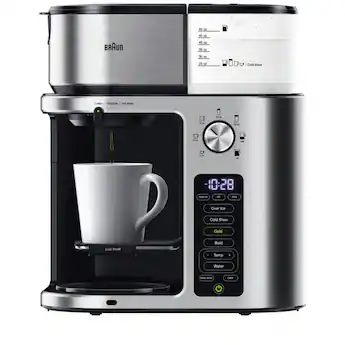
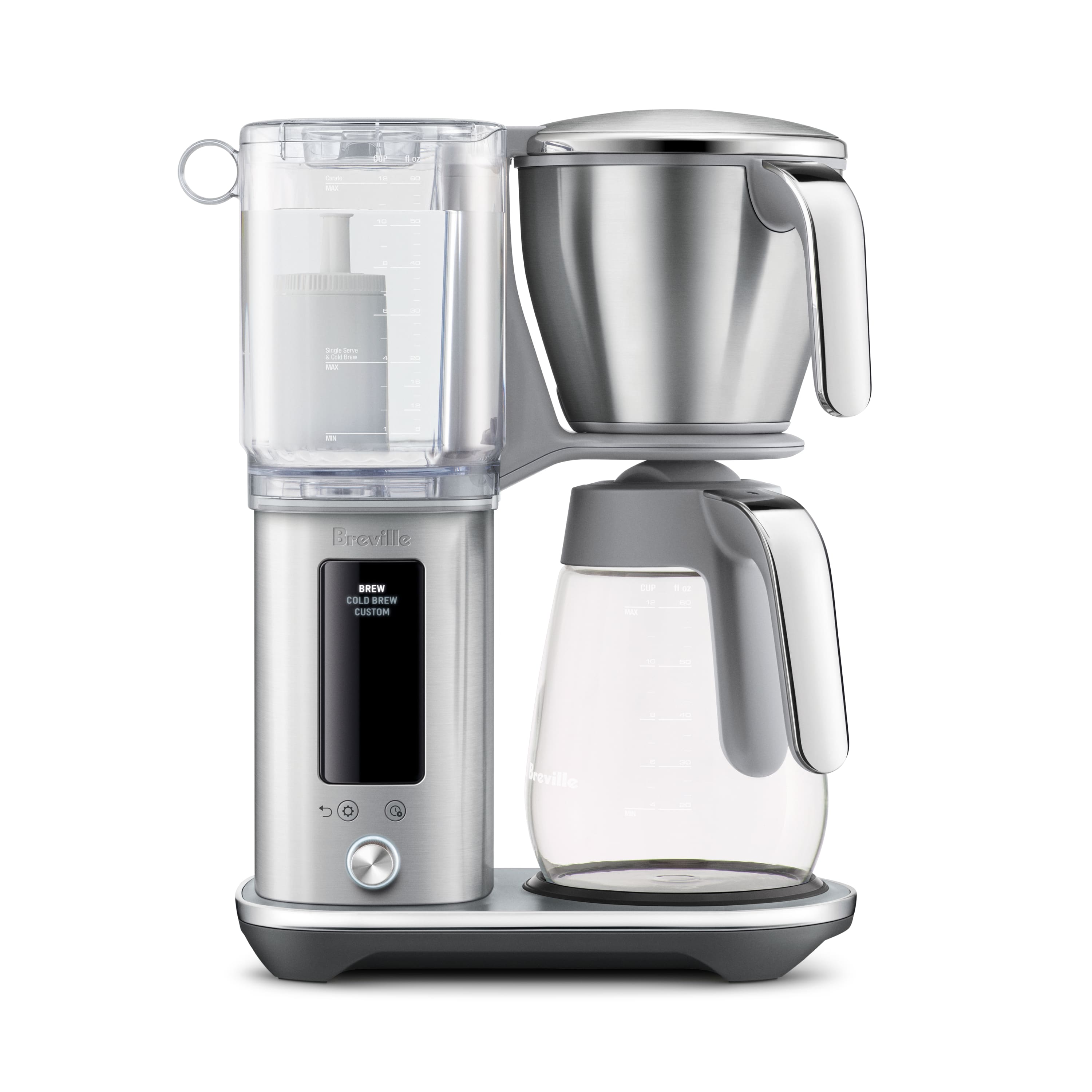
Traditional brewing methods encompass a wide range of techniques, from the classic drip coffee maker that likely graced your grandparents' counter to sophisticated espresso machines and artisanal pour-over setups. These methods typically involve grinding fresh whole beans, heating water, and then manually or semi-manually extracting the coffee. My journey into coffee appreciation truly began with a simple French press, which taught me the magic of fresh grounds and hot water.

The Advantages of Traditional Coffee Brewing
For many, the benefits of traditional brewing methods go beyond just a cup of coffee; they represent a ritual and a pursuit of flavor perfection.
- Superior Flavor and Customization: This is where traditional methods truly shine. Grinding whole beans just before brewing preserves their volatile aromatic compounds, resulting in a fresher, more nuanced, and richer taste. You can customize everything: the bean origin, roast level, grind size, water temperature, and brewing time, allowing for an unparalleled personalized coffee experience.
- Cost-Effectiveness in the Long Run: While the initial investment in a quality grinder and brewer might be higher, buying whole beans is significantly cheaper per cup than purchasing coffee pods. This makes traditional brewing a much more economical option over time, especially for daily coffee drinkers.
- Environmentally Friendly: Traditional brewing methods generate much less waste. Coffee grounds are biodegradable and can even be composted, and you're not dealing with single-use plastics or aluminum capsules that contribute to landfill waste.
- The Ritual and Experience: For many, the process of making coffee is as enjoyable as drinking it. The aroma of freshly ground beans, the sound of water heating, and the deliberate steps of brewing can be a calming and meditative start to the day. It's an experience that pod-based coffee machines simply can't replicate.
- Greater Control Over Strength: Whether you like your coffee strong and bold or light and mellow, traditional methods give you complete control over the brew strength by adjusting the coffee-to-water ratio.
Source: bestbuy.com
The Hurdles of Traditional Brewing
Despite their many advantages, traditional coffee brewing methods do present some challenges that might not suit everyone.
- Time and Effort Required: Preparing coffee traditionally takes more time and effort than popping in a pod. You need to measure, grind, and brew, which can feel like a significant commitment on a rushed morning.
- Steeper Learning Curve: Achieving a consistently good cup with traditional methods requires some understanding of variables like grind size, water temperature, and extraction. There's a learning curve involved to master your preferred brewing technique.
- Potential for Inconsistency: While allowing for customization, the human element also introduces variability. Without careful attention to detail, your coffee might not taste the same from one brew to the next.
- More Cleanup Involved: Traditional methods typically mean more parts to clean – a grinder, filter basket, carafe, and sometimes a separate kettle. This extra cleanup can be a deterrent for those seeking ultimate convenience.
- Space Requirements: Some traditional setups, especially those involving multiple pieces of equipment like a separate grinder, scale, and pour-over kettle, can take up more counter space than a compact pod-based coffee machine.
Source: pixiesbrew.com
Making the Right Choice: Your Coffee, Your Way
Deciding between pod-based coffee machines and traditional brewing methods really boils down to your personal priorities and lifestyle. If speed, convenience, minimal cleanup, and consistent results are your top concerns, a pod-based coffee machine is likely a fantastic fit. They excel in providing a quick, easy cup with a wide range of flavor options, perfect for busy households or individuals who prioritize efficiency.
However, if you cherish the ritual of making coffee, value superior flavor customization, are conscious of your environmental footprint, and want to save money in the long run, then traditional brewing methods will offer a far more rewarding experience. It's about weighing convenience against control, and instant gratification against a more involved, artisanal approach. Think about how much time you're willing to dedicate to your coffee routine, your budget, and what "the perfect cup" truly means to you.
Frequently Asked Questions
Are pod-based coffee machines more expensive in the long run?
Yes, generally, pod-based coffee machines tend to be more expensive in the long run due to the higher cost per individual coffee pod compared to buying whole beans for traditional brewing methods.
Do coffee pods offer the same flavor quality as freshly ground coffee?
Coffee pods typically do not offer the same nuanced flavor quality as freshly ground and brewed coffee, as the pre-ground coffee in pods can lose some freshness and aromatic complexity over time.
Can I recycle coffee pods?
The recyclability of coffee pods varies greatly by brand and local municipality; some brands offer proprietary recycling programs, while others may require special processing not available everywhere.
Which brewing method is better for the environment?
Traditional brewing methods, especially using compostable coffee grounds and reusable filters, are significantly more environmentally friendly than pod-based coffee machines due to less single-use waste.
Is it possible to get strong coffee from a pod machine?
Yes, many pod-based coffee machines offer options for stronger brews through specific "extra bold" pods or by selecting smaller cup sizes, concentrating the coffee flavor.
Conclusion
Ultimately, the best coffee brewing method is the one that fits seamlessly into your life and brings you the most enjoyment. Pod-based coffee machines deliver unparalleled convenience, consistency, and a vast array of flavors, perfect for those who value speed and simplicity in their daily routine. On the other hand, traditional brewing methods offer a deeply customizable, cost-effective, and environmentally friendlier approach, yielding superior flavor and a cherished daily ritual for those willing to invest a little more time and effort. I encourage you to consider what truly matters to you in your coffee experience – whether it's the quick satisfaction of a pod or the artisanal craft of a traditional brew. Experiment, explore, and find the perfect cup for you! Which brewing method calls to you the most? Share your thoughts in the comments below!