
Why Aren’t Smart Coffee Machines More Common?
Smart coffee machines aren't more common because of their higher cost, perceived complexity, limited practical benefits for many users, and ongoing privacy concerns.
Ever found yourself dreaming of a coffee machine that can brew your perfect cup before you even step out of bed? Smart coffee machines promise this futuristic convenience, yet for some reason, they haven't become the ubiquitous kitchen appliance many predicted. As someone who's explored the ins and outs of smart home technology for years, I've seen firsthand why certain innovations take off while others remain niche. Let's dive into the core reasons why these connected brewers are still a rare sight in most homes and uncover what's holding them back from widespread adoption.
:max_bytes(150000):strip_icc()/faw-technivorm-moccamaster-kbgv-select-10c-coffee-maker-nsimpson-50-1-46e4dc9cb33544a185fab8b24919e588.jpeg)
The Price of Progress: Understanding the Cost Factor
One of the most significant barriers to the widespread adoption of smart coffee machines is undoubtedly their price tag. Traditional drip coffee makers can be purchased for as little as $20-$30, while even high-quality espresso machines can be found for a few hundred dollars. In contrast, smart coffee machines often start at several hundred dollars and can quickly climb into the $1,000+ range, especially for models with advanced features like integrated grinders, precise temperature control, and milk frothers.
This premium pricing reflects the added technology: Wi-Fi modules, robust app development, sensors, and sometimes even voice assistant integration. For many consumers, the convenience offered by smart coffee machines simply doesn't justify the substantial additional investment, especially when a perfectly good cup of coffee can be made with a much cheaper, non-smart alternative. I remember looking at a high-end smart coffee machine once, admiring its sleek design and app-controlled features, but the price tag gave me serious pause. It felt like I was paying for potential rather than immediate, indispensable value.
:max_bytes(150000):strip_icc()/sea-keurig-coffee-machines-lead-image-01-ashlee-redger-6fd70082a7284f5896e3c9419fa3cf7b.jpeg)
Complexity and User Experience: Navigating the Digital Brew
While the idea of a Wi-Fi connected coffee maker sounds appealing, the reality can often involve a steeper learning curve than expected. Setting up a new smart device, connecting it to your home Wi-Fi network, downloading an app, and then learning to navigate its various settings can be daunting for some users. Traditional coffee machines, in their simplicity, offer a straightforward "fill and brew" experience that requires minimal effort or technical know-how.
Many potential users find themselves asking, "Is it really that much harder to press a button on a regular machine?" This perception of added complexity, even if minor, can deter adoption. When I first tried setting up a smart kitchen gadget, I found myself troubleshooting connectivity issues and wrestling with app permissions, which somewhat diminished the initial excitement. While smart coffee machines aim for convenience, their initial setup and ongoing app interactions can sometimes feel like an extra chore rather than a simplification.
The "Smart" Gap: Are the Benefits Truly Essential?
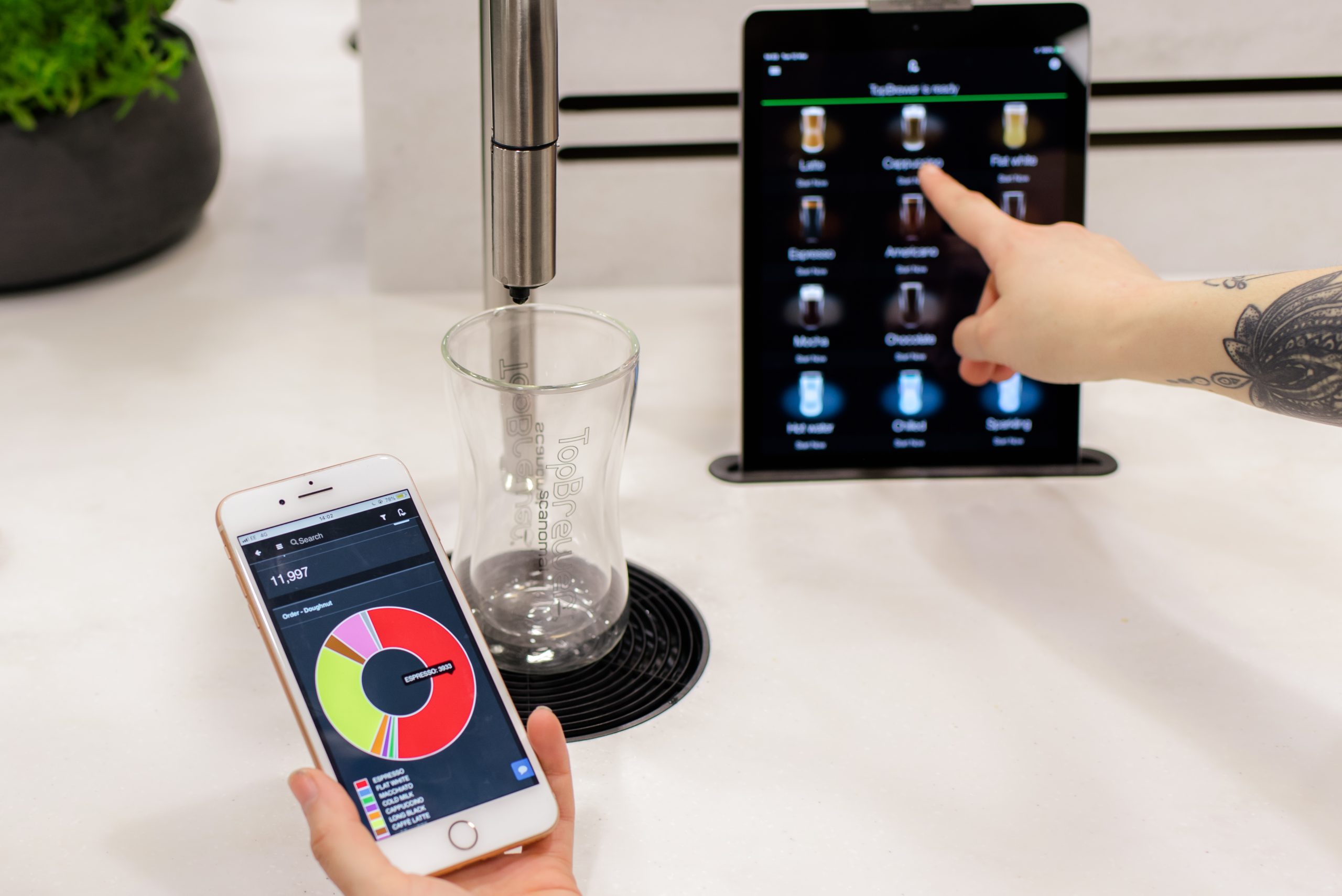
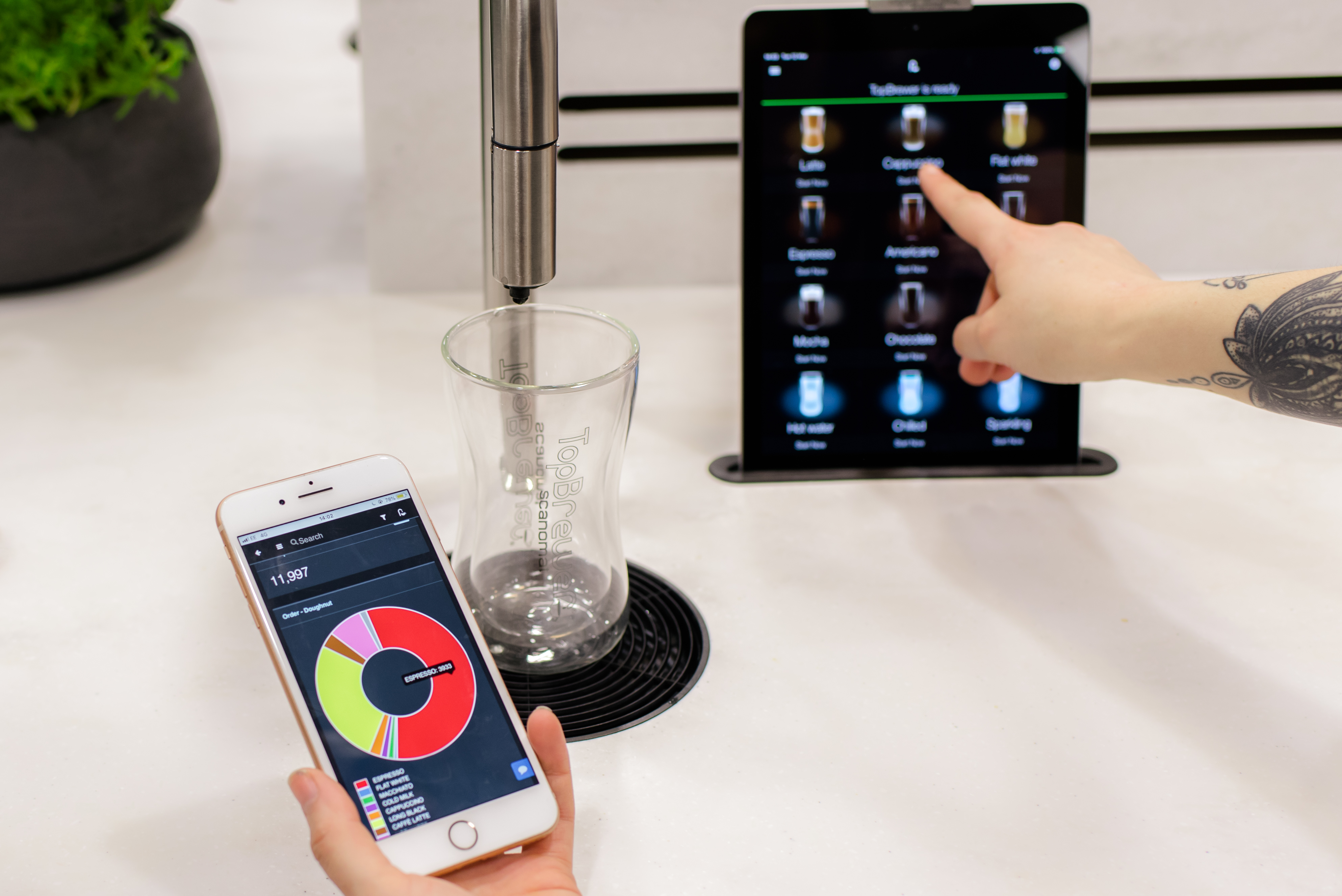
Another critical factor is whether the "smart" features truly offer a game-changing advantage over traditional coffee makers. What exactly do smart coffee machines bring to the table? Typically, these include remote brewing (starting your coffee from bed), scheduling brews, customizing settings via an app, and sometimes voice control through assistants like Alexa or Google Assistant.
However, for a significant portion of coffee drinkers, these features might not be perceived as essential. If you already have a morning routine where you wake up, walk to the kitchen, and press a button, the added benefit of doing that from your phone might not feel significant enough to warrant the extra cost and complexity. Is it truly a hassle to walk to the kitchen and press brew when you're already headed there for breakfast? For many, the answer is no. This creates a "smart" gap where the perceived value doesn't always align with the actual, everyday utility for a broad audience. As someone who appreciates efficiency, I've found that sometimes the simplest solution is indeed the best, and not every daily task needs a high-tech overhaul.
:max_bytes(150000):strip_icc()/faw-primary-coffee-makers-with-grinders-oct-24-rkilgore-0518-1-ff239c5683f84ba1bd1a03c6902bb6a5.jpg)
Privacy and Security Concerns: Brewing with Caution
In an increasingly connected world, privacy and data security are growing concerns for consumers. Smart coffee machines, like all IoT (Internet of Things) devices, collect data, which could include usage patterns, brewing preferences, and even connect to your home network. This raises questions about how this data is stored, used, and protected.
Users are becoming more cautious about inviting internet-connected devices into their homes, especially those that could potentially be vulnerable to security breaches. As someone who advises on smart home tech, I often hear concerns about hackers gaining access to home networks through seemingly innocuous devices. The thought of a smart coffee machine becoming an entry point for cyber threats is a deterrent for some. This inherent distrust, combined with a lack of transparent security practices from some manufacturers, contributes to consumers' hesitation to invest in these connected appliances.
:max_bytes(150000):strip_icc()/sea-product-ratio-six-coffee-maker-16-wdickey-059-cc5e2861a10b4c31982dfee3ab8411d5.jpeg)
Market Saturation and Traditional Appeal: Tried and True Brews
The coffee machine market is incredibly diverse and saturated with a vast array of excellent traditional options. From French presses and pour-over kits to high-end automatic espresso makers, consumers have countless choices that cater to every taste and budget without any smart features. Many people are content with their existing coffee-making routines and don't see a compelling reason to switch to a smart coffee machine.
There's also a strong emotional connection to the ritual of making coffee. For some, grinding beans, boiling water, and manually brewing is a cherished morning routine, a moment of calm before the day begins. This appreciation for the traditional, hands-on approach often outweighs the desire for automated convenience. The enduring popularity of classic brewing methods showcases that simplicity and tradition often win out over technology in the realm of daily rituals.

Reliability and Longevity: A Bug in the System?
Another concern consumers often have with smart appliances, including smart coffee machines, is their long-term reliability and longevity. These devices rely heavily on software and network connectivity, which can be prone to glitches, bugs, and compatibility issues. A traditional coffee maker might last for many years with minimal maintenance, but a smart device could become obsolete if its companion app is no longer supported, or if firmware updates are neglected.
I've seen firsthand how a software update can sometimes brick a device, or how a manufacturer might stop supporting an older model, rendering its "smart" features useless. This fear of premature obsolescence or dealing with technical headaches down the line makes people think twice before investing in smart coffee machines. When you just want a reliable cup of coffee every morning, the potential for digital hiccups can be a significant turn-off.
:max_bytes(150000):strip_icc()/badge-sea-product-breville-barista-express-impress-espresso-machine-nsimpson-3341-c2258f63a2074a659f9e7bdc016f5ecf-55131e0fd1fc43b580106c53da08d84c.jpg)
Frequently Asked Questions of Why aren't smart coffee machines more common?
What features do smart coffee machines typically offer?
Smart coffee machines often provide features like remote brewing via a smartphone app, scheduling brew times, customizing coffee strength and temperature, and sometimes voice control integration with smart assistants. They aim to add convenience and personalization to the coffee-making process.
Are smart coffee machines worth the extra cost?
For many users, the extra cost of smart coffee machines isn't justified by the perceived benefits. While convenient for some, the core function of brewing coffee can be achieved much more affordably with traditional machines, making the "smart" features a luxury rather than a necessity.
Do smart coffee machines have privacy risks?
Yes, like most internet-connected devices, smart coffee machines can pose privacy risks as they collect user data on brewing habits and connect to home networks. Users should be aware of a manufacturer's data privacy policies and ensure strong network security.
How do smart coffee machines compare to traditional machines in terms of reliability?
Smart coffee machines can be less reliable than traditional ones due to their reliance on software, Wi-Fi connectivity, and app support. Software glitches, discontinued app support, or network issues can sometimes hinder their functionality, unlike simpler mechanical brewers.
Will smart coffee machines become more common in the future?
While they face current adoption hurdles, smart coffee machines may become more common as technology becomes more affordable, user interfaces simplify, and security measures improve. As smart home ecosystems become more integrated, their appeal could also grow.
Conclusion
The journey of smart coffee machines from futuristic concept to widespread kitchen staple has been slower than anticipated. It's clear that while the idea of a perfectly brewed, app-controlled cup of coffee is enticing, factors like high cost, perceived complexity, limited truly essential benefits, and privacy concerns have kept them from becoming a household norm. The market is also heavily influenced by the enduring appeal of traditional brewing methods and the sheer variety of non-smart alternatives available. However, as technology evolves and prices potentially drop, we might see a shift. Perhaps the future of coffee brewing will find a sweet spot where smart features seamlessly integrate without compromising simplicity or affordability. What are your thoughts? Have you tried a smart coffee machine, or do you prefer the classic approach? Share your experiences and let us know what you think in the comments below!


One Comment