Is It Bad to Leave the Lever in Preinfusion Mode Too Long?
Yes, it’s potentially damaging to your equipment and your coffee quality to leave a lever machine in preinfusion mode for a long time. The primary risk is that leaving the lever in a partially engaged position for an extended period can cause the internal seals to wear out prematurely due to constant heat and pressure exposure. You should move the lever to the neutral position if you aren’t actively pulling a shot.
Situations for lever preinfusion
Whether you should use this mode depends on the specific machine design and the duration of your wait. While some machines are built to handle long preinfusion times, most home models have limitations that can lead to mechanical failure if pushed too far.
| Your situation | Answer | Why |
|---|---|---|
| Under 10 seconds | Safe | Standard time for puck saturation |
| 10–30 seconds | Risky | Potential for uneven extraction |
| Over 60 seconds | Harmful | Wear on internal group seals |
| Machine at idle | Never | Constant pressure causes seal leaks |
| Manual lever pull | Variable | Depends on spring tension settings |
The most common mistake is ignoring the machine’s thermal stability during long holds. This leads to a sour, under-extracted cup despite the long soak.
Use this decision rule: if you’re using a light roast, favor a longer preinfusion to increase solubility. If you’re using a dark roast, keep it under 5 seconds to avoid drawing out bitter, astringent compounds. If your machine lacks a pressure gauge, listen for the first drip; once you see it, begin your full pull immediately.
The mechanics of group head seals
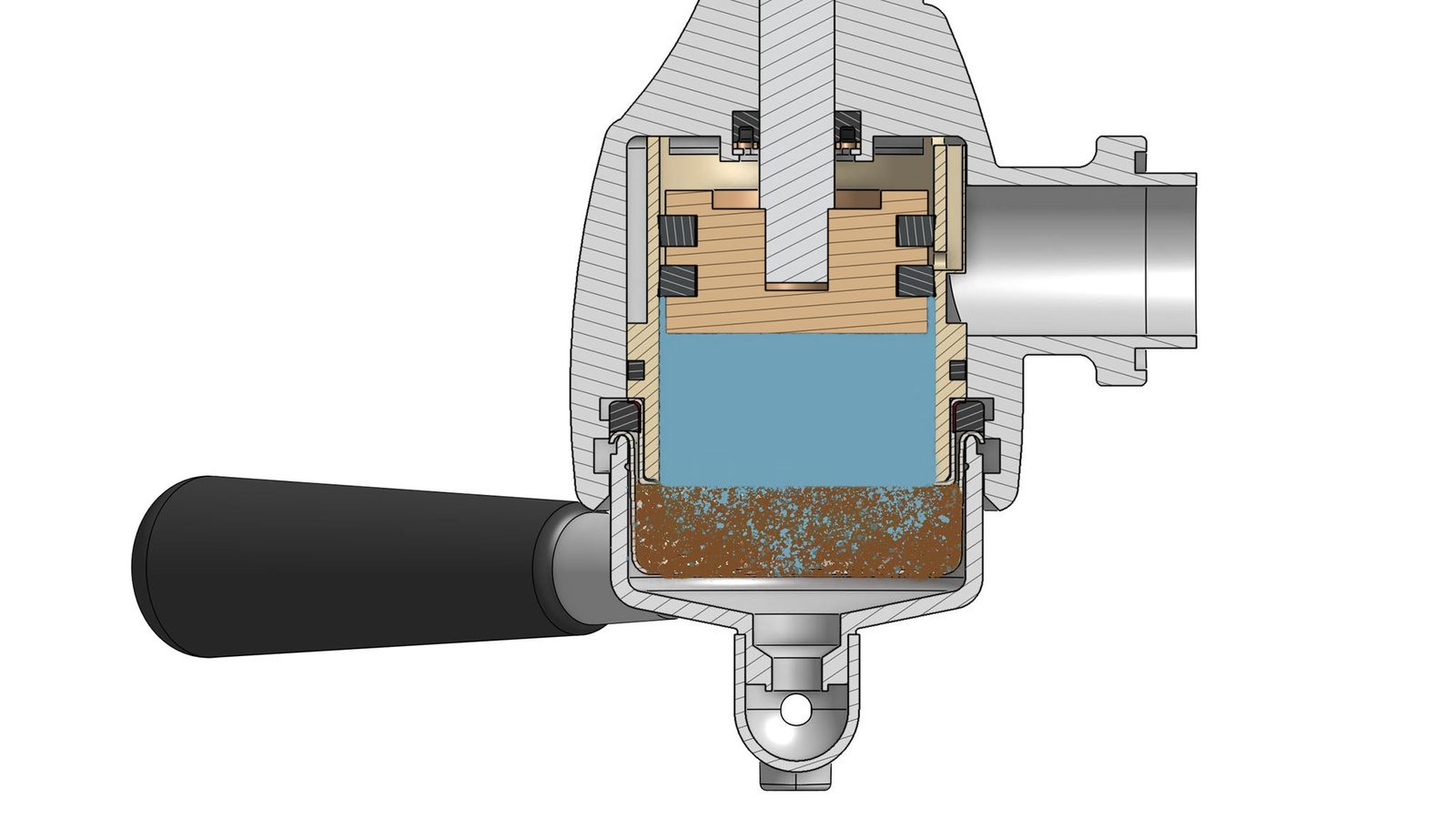
The reason this practice is risky relates to how the lever group head manages water pressure and temperature. When you move the lever, you open a valve that allows water from the boiler to enter the group head. If you hold the lever in a “half-way” or preinfusion position, you’re keeping these valves open while the machine continues to apply heat to the group components.
Over time, the high temperature of the water combined with the constant mechanical tension on the rubber gaskets causes these parts to harden or crack. According to the NSF International guidelines on food equipment materials, components must be able to withstand the heat and pressure of their intended use; however, using a machine outside of its standard cycle puts these seals under stress they weren’t designed to endure.
If you choose to experiment with long preinfusion, keep in mind the following rule: If the machine is a spring-lever model, the spring pressure is constant and can’t be adjusted; if it’s a manual-pull model, you control the force, but you still risk damaging the seals if you leave the valve open for more than 60 seconds.
Steps for correct preinfusion

If you want to use preinfusion to improve your espresso, follow these steps to ensure you don’t damage your machine.
- Warm your machine for at least 20 minutes before you start to ensure the group head is at the correct temperature.
- Lock the portafilter into the group head with your ground coffee already leveled and tamped.
- Lift the lever slowly until you hear or feel the water start to enter the chamber, usually just before the resistance of the spring begins.
- Hold the lever in this position for no more than 10 seconds to allow the coffee puck to saturate evenly.
- Release the lever fully to start the extraction process once you see the first drops appearing on the bottom of the basket.
- Monitor the flow to ensure it remains steady throughout the shot; a steady stream confirms the puck was saturated correctly.
The mistake of leaving the lever engaged
Many users believe that holding the lever down longer will produce a stronger or more flavorful cup of coffee. This is a common mistake that actually leads to channeling, where the water finds a path of least resistance through the coffee puck rather than extracting it evenly. This results in an uneven, sour, or bitter cup.
The cost of this mistake isn’t just a bad cup of coffee; it causes the group head seals to fail sooner. This leads to leaks and the need for expensive professional repairs.
To avoid this, always time your preinfusion. If your flow rate doesn’t stabilize within ten seconds of engagement, your grind is too fine. Return the lever to the resting position immediately after the coffee begins to flow. If the stream turns translucent or “blonding” occurs, stop the pull.
When to stop and get help
There are clear signs that your machine has suffered damage from improper use or that it requires professional maintenance.
Water leaking from the top or sides of the group head indicates the seals have failed. If you see water pooling on the drip tray while the lever is at rest, stop immediately. Running the machine with compromised seals can cause mineral buildup to corrode the internal brass housing, turning a twenty-dollar gasket replacement into a multi-hundred-dollar repair.
The lever feels loose or doesn’t return to the upright position, suggesting an internal spring issue. If the lever snaps back with force or feels gritty, the spring may be fractured.
Persistent dripping from the group head after the shot is finished means the valve is no longer seating correctly.
If you notice any of these signs, stop using the machine immediately. These issues require a technician with specific training in lever-operated espresso machines to prevent further damage to the boiler or internal piping.
Frequently asked questions
How long is too long for preinfusion?
Anything beyond 30 seconds is considered too long for standard home lever machines. Prolonged exposure to hot water at pressure will cause the rubber seals to degrade, leading to leaks and inconsistent pressure during your future shots.
Is it safe to leave the lever down between shots?
No, you should never leave the lever in the engaged position when you aren’t actively pulling a shot. This keeps the internal valves open, which disrupts the thermal stability of the group head and places unnecessary strain on the internal gaskets, shortening their lifespan significantly.
Does it matter if my machine is a spring lever?
Yes, spring lever machines are particularly sensitive because the spring provides constant, high-pressure force.
Can I damage the boiler by doing this?
It’s unlikely you’ll damage the boiler itself, but you’ll almost certainly damage the group head assembly. The seals and valves are the weakest points in the system, and they’re the parts that will fail first if you consistently hold the machine in a preinfusion state for too long.
What happens if I ignore the leak?
Ignoring a leak will lead to water loss and potential corrosion of the internal machine frame. Over time, the leaking water can also damage the electronic components located inside the machine casing, turning a simple seal replacement into a much more expensive repair job.
How do I know if my seals are worn?
You’ll notice the lever feeling “mushy” or failing to provide the same resistance it once did when you pull a shot. You might also see water weeping from the group head while the lever is in the resting position, which is a clear sign that the internal seal is no longer creating a tight connection.
Conclusion
Start by checking your machine’s user manual for the manufacturer’s recommended preinfusion time, as this is the safest baseline for your specific model. If you notice water leaking from the group head or the lever feels loose, stop using the machine immediately and contact a professional repair technician to replace the seals and inspect the valve assembly.