What’s the difference between preinfusion and pulling a slower shot of espresso?
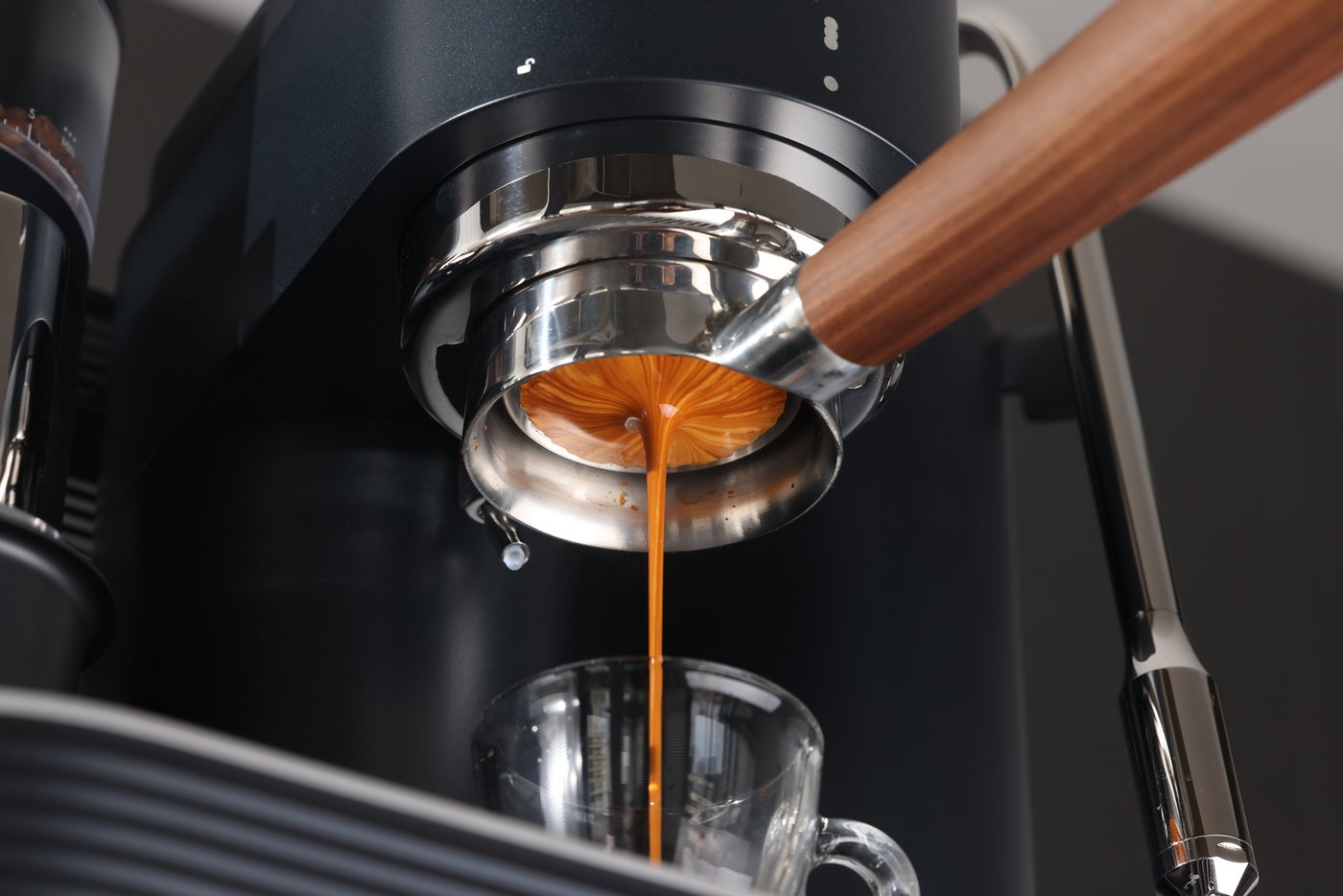
Preinfusion uses low pressure to wet the coffee grounds before full extraction, whereas pulling a slower shot of espresso involves extending the contact time under high pressure to change the flavor profile. These two techniques are different because one focuses on preparing the coffee bed for even water flow, while the other focuses on increasing the total extraction yield of the beans.
The difference between preinfusion and pulling shots
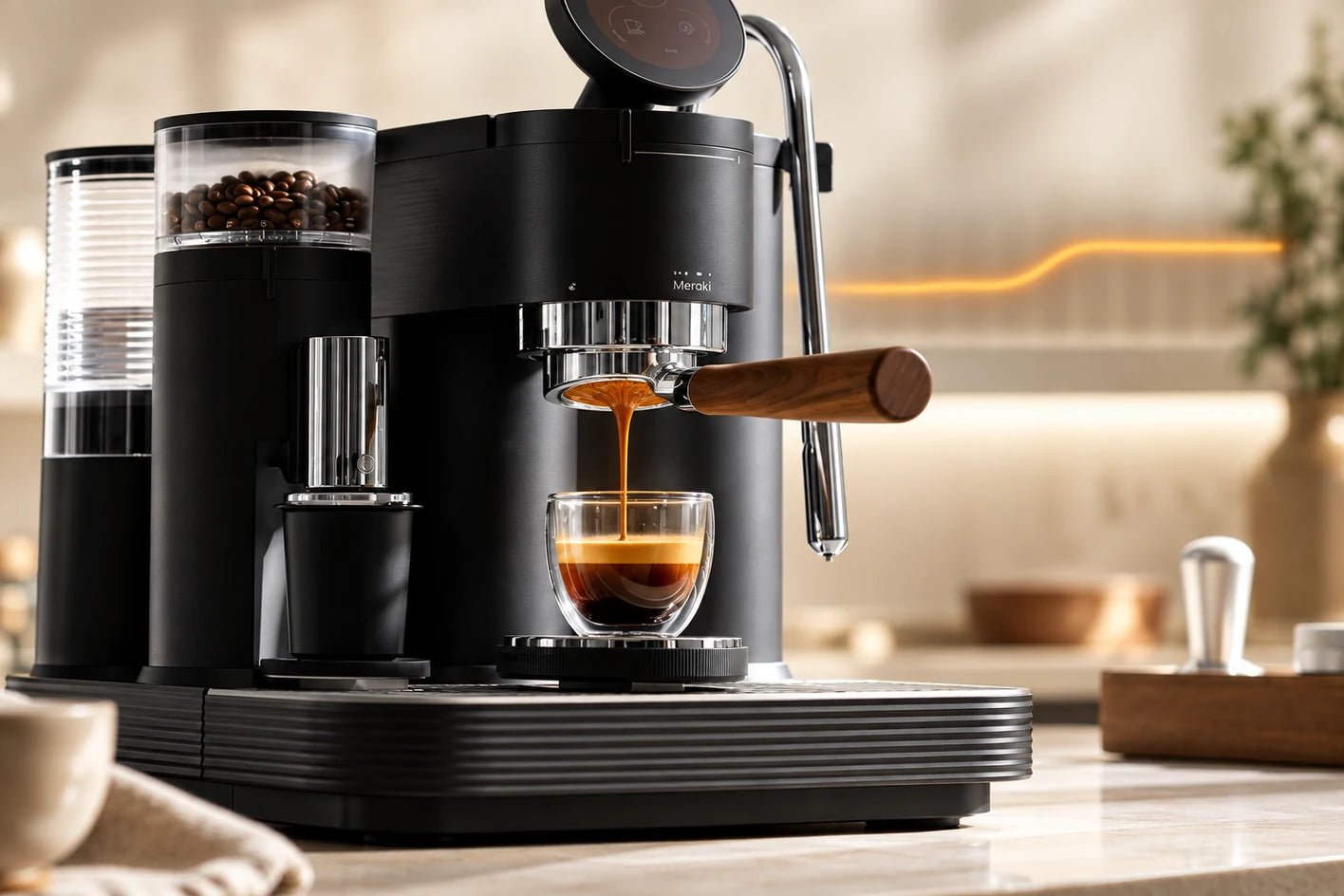
The main difference between these methods lies in their physical effect on the puck. Preinfusion acts as a buffer to prevent channeling, while a slower shot aims to dissolve more solids into the cup.
| Method | How long | Effort | Cost | Best for |
|---|---|---|---|---|
| Preinfusion | 3–8 seconds | Low | Medium | Light roasts |
| Slower shot | 30–45 seconds | Medium | Low | Dark roasts |
| Standard pull | 25–30 seconds | Low | Low | Daily use |
This table assumes a standard 18-gram dose and a 9-bar pump pressure. If you’re using a manual lever machine, the time varies based on your physical output. You can check the Specialty Coffee Association guidelines to see how contact time shifts the balance of acidity and bitterness in your final cup.
Using preinfusion to stabilize the puck
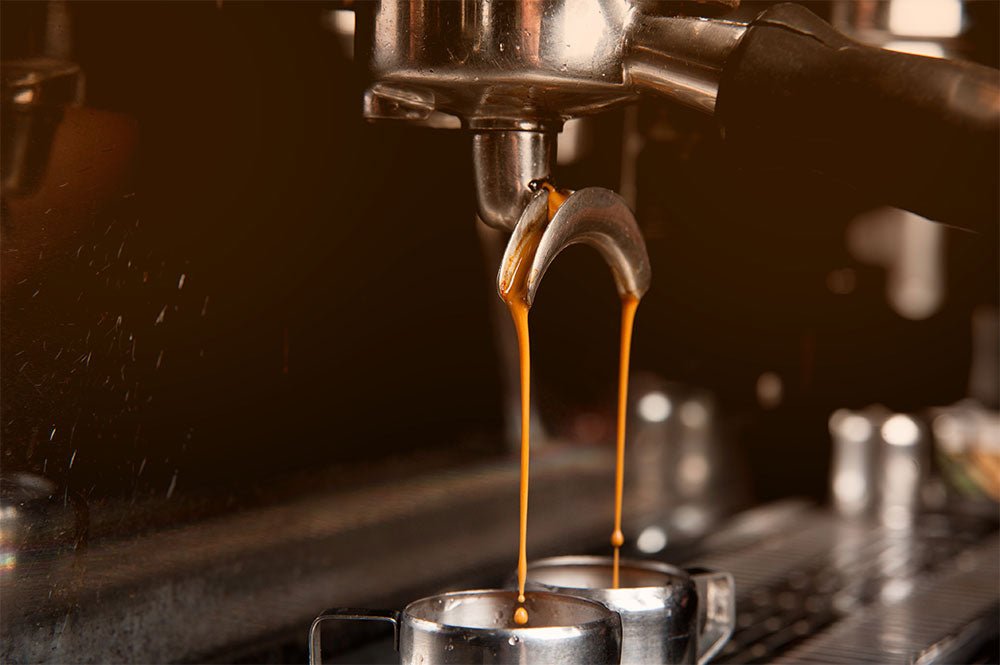
Preinfusion is the process of saturating the dry coffee grounds with water at a pressure lower than the standard 9 bars. This step ensures that the water moves through the entire coffee bed at once.
- Engage your machine’s preinfusion setting or manually hold the lever at a low flow rate.
- Allow the water to soak the grounds for 3 to 8 seconds until you see the first drops of coffee appear.
- Switch to full pressure (typically 9 bars) to complete the extraction.
This method is excellent for light roasts that are hard to extract because it prevents dry spots. However, it isn’t for those who want a simple, one-button workflow, as it adds complexity to your routine. If you forget to monitor the flow, you risk over-saturating the puck and causing the coffee to become muddy.
Extending contact time for a slower shot
Pulling a slower shot means you adjust your grind size or flow rate to make the water stay in contact with the grounds for longer than the typical 30 seconds.
- Adjust your grinder to a finer setting to increase the resistance against the water.
- Lock the portafilter into your machine and start the pump as usual.
- Watch the flow closely; a slower shot should take 35 to 45 seconds to reach your target yield.
This technique is great for taming the sharp acidity of bright, fruity coffees. The main mistake people make is grinding too fine, which leads to a “choked” shot where the water barely drips out, resulting in a thin, metallic taste. If your machine doesn’t have a flow control feature, you’re limited by the pump’s fixed pressure settings.
Manual flow manipulation methods
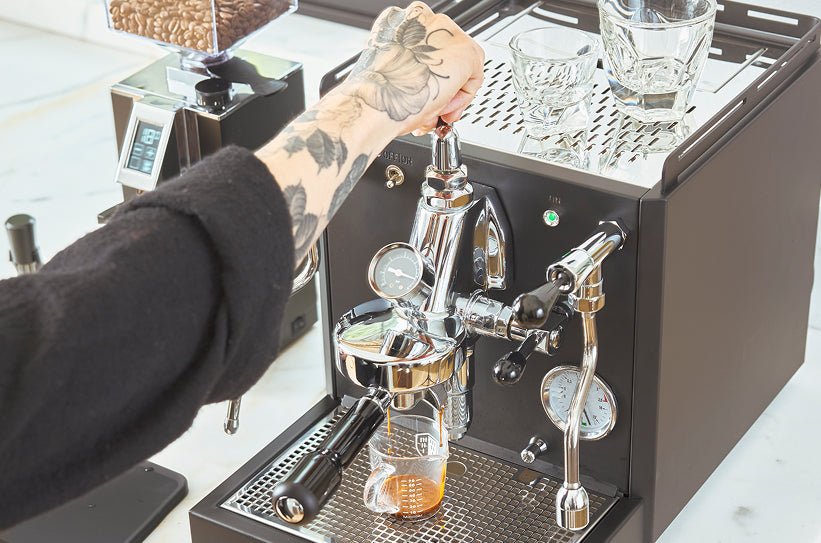
Some modern machines allow you to profile the pressure throughout the entire shot. This method combines the benefits of both techniques by starting slow and finishing with a steady flow.
- Start the shot at 2 bars of pressure for 5 seconds to wet the grounds.
- Slowly ramp the pressure up to 9 bars over the next 10 seconds.
- Taper the pressure down to 6 bars for the final 10 seconds to avoid bitter flavors.
This approach gives you the most control over the final taste. It’s perfect for those who want to highlight complex notes in single-origin beans. The limit here is the hardware; if you don’t have a machine with pressure profiling, you can’t replicate this method.
Choosing the right extraction method
If you’re in a hurry, use a standard 25-second pull because it’s the fastest way to get a consistent cup without extra steps. When you’re doing this for the first time, start with the standard pull to learn your machine’s baseline before trying to alter the timing.
If you want the best possible result whatever it takes, use preinfusion combined with a slightly longer, 35-second pull to maximize the sweetness of your beans. This creates a trade-off between speed and flavor complexity: faster shots are easier to repeat, but slower shots allow you to draw out more character from the coffee.
The decision rule is simple: if your beans are a light roast, favor the longer, slower extraction to prevent sourness. If you’re brewing a dark, oily roast, stick to the 25-second mark to avoid harsh, bitter over-extraction. Many beginners make the mistake of using the same timing for every bag, which costs them the distinct flavor profile the roaster intended.
Essential rules for consistent espresso
Regardless of the method you choose, keeping your equipment clean and using fresh beans are the most important factors. You must ensure your machine is at the correct temperature before you begin, as cold parts will sour the taste of even the best beans.
Most home machines require a 15-minute warm-up period to reach thermal stability. If you pull a shot before the portafilter is hot to the touch, the water temperature will drop rapidly, leading to a thin, acidic extraction.
Check your output weight using a digital scale to ensure you’re hitting your target ratio every time. A standard starting point is a 1:2 ratio, meaning 18 grams of dry grounds should yield 36 grams of liquid espresso.
If you don’t have a scale, you’ll struggle to repeat your results, as visual cues like color or volume are often misleading. Professional baristas use precise measurements to remove the guesswork from their daily routine. When in doubt, always prioritize weight over time.
Frequently asked questions
Can I do preinfusion on any machine?
No, you can only perform true preinfusion if your machine has a dedicated preinfusion cycle or a manual flow valve. On basic machines, you can’t force the pump to stay at a lower pressure, so you’re limited to the pressure the pump produces the moment it turns on.
Why does my coffee taste bitter when I pull a slow shot?
Your coffee tastes bitter because the water is over-extracting the grounds, pulling out unwanted tannins and bitter compounds. If your shot takes longer than 45 seconds, try using a slightly coarser grind setting to help the water move faster and shorten the total contact time in the basket.
How long should a normal espresso shot take?
A normal espresso shot takes 25 to 30 seconds to reach a standard 1:2 ratio, meaning 18 grams of coffee produce 36 grams of liquid. This assumes you’re using a standard 9-bar pump setting; if your machine uses a different pressure, you’ll need to adjust the time.
Is it safe to leave a machine on for long periods?
No, most home espresso machines aren’t designed to stay on for more than a few hours at a time. Leaving them on can lead to internal scale buildup or potential electrical issues; always check the manufacturer’s manual for the recommended duty cycle of your specific model.
What happens if I grind too fine for a slow shot?
If you grind too fine, the water can’t pass through the puck, causing the pressure to spike and the shot to “choke.” This results in a very slow, drip-like flow that tastes sour, thin, and under-extracted because the water is finding paths around the coffee rather than through it.
How much coffee should I use for a single shot?
You should use 7 to 10 grams of coffee for a single shot, depending on the size of your single-basket filter. Most modern home machines perform better with a double basket using 16 to 20 grams, as this provides more consistent resistance for the water pump.
Conclusion
The secret to better coffee isn’t just in the method you choose, but in your ability to keep the variables consistent. By focusing on one change at a time, you can learn how your specific beans and machine interact to produce the best possible flavor.