How do brew temperature and grind size affect the quality of drip coffee made by automatic machines?
The quality of coffee depends on how brew temperature and grind size affect the flavor extraction from ground beans in automatic drip machines. When water is too hot, it pulls out bitter compounds; when the grind is too coarse, it leaves the coffee tasting thin and sour. Getting these two variables balanced is the only way to ensure your morning cup tastes rich, sweet, and balanced rather than like muddy water or battery acid.
How Brew Temp and Grind Size Affect Drip Coffee Quality
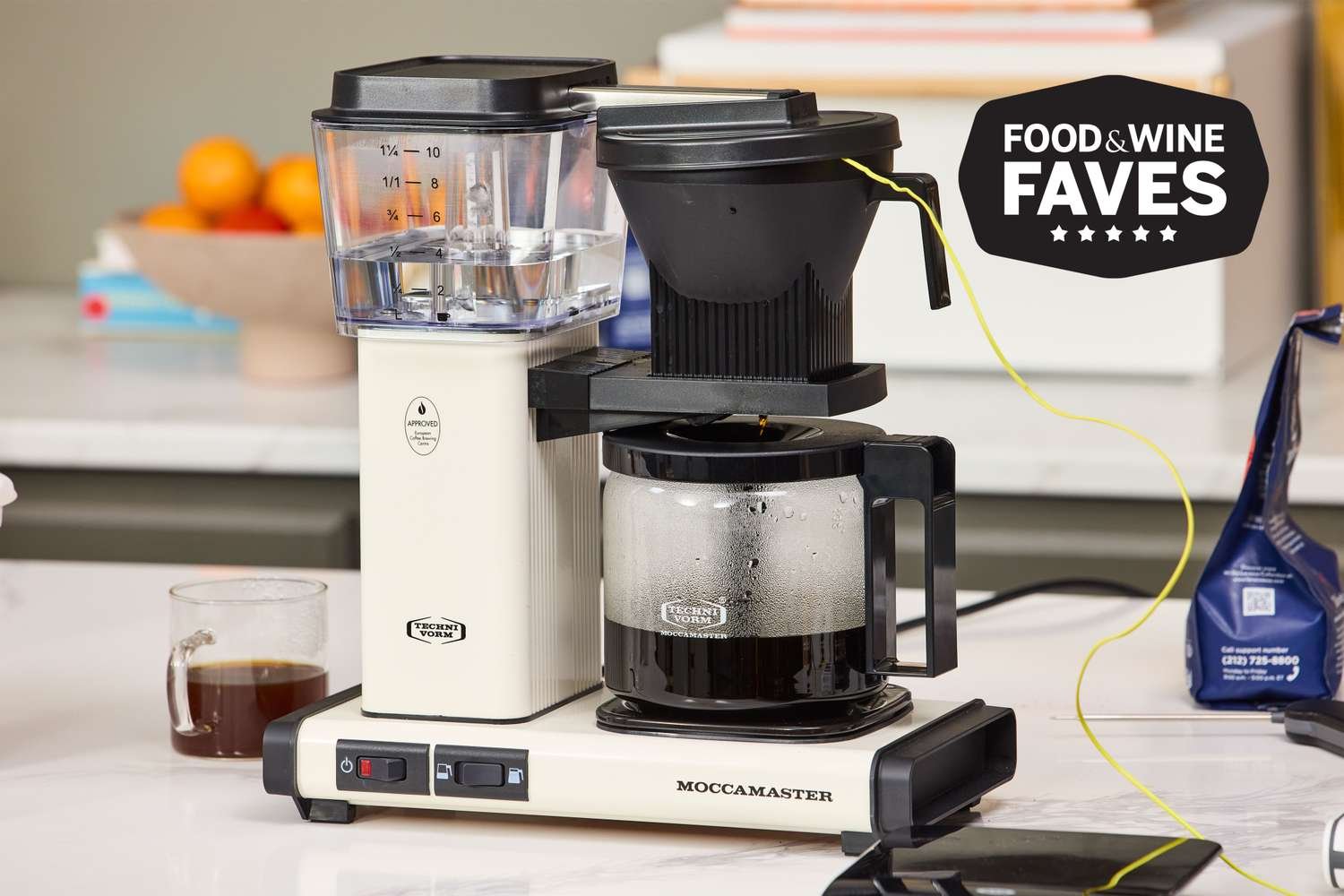
The goal of brewing is to pull the right amount of flavor out of the coffee grounds. You can think of coffee beans like a sponge that holds flavor; the water acts as the solvent that carries that flavor into your cup. If you rush the process or use the wrong settings, you miss out on the good parts of the bean.
| Component | What it does | What you notice when it goes wrong |
|---|---|---|
| Water temperature | Dissolves coffee solids | Too cold tastes sour; too hot tastes bitter |
| Grind size | Controls surface area | Too coarse tastes weak; too fine tastes muddy |
| Filter type | Traps oils and fines | Paper traps oils; metal lets oils pass |
| Shower head | Distributes water evenly | Uneven wetting leads to dry spots |
| Brew time | Sets total contact time | Over-extraction causes bitterness; under-extraction causes sourness |
Extraction follows a predictable sequence. Acids dissolve first, followed by sugars, and finally the heavy, bitter plant fibers. If you stop too early, you get a sharp, sour cup. If you let it run too long, you pull out harsh, bitter plant fibers and compounds.
A common mistake is blaming the beans for a bad cup when the grind size is the true culprit. If your coffee tastes thin and watery, check your grind before buying a new roast. If it’s too coarse, the water passes through without picking up enough solids. Adjust your setting one notch finer at a time. If the water stalls or the bed of grounds looks like thick mud, you have gone too far. Aim for the sweet spot where the finish is clean and the flavor is balanced.
Steps to achieve balanced extraction
- Start by checking your machine’s water temperature range, which should ideally sit between 195°F and 205°F for optimal results, as noted by the National Coffee Association.
- Measure your coffee to water ratio; a standard starting point is 1:16, meaning 1 gram of coffee for every 16 grams of water, adjusted by your personal taste preference.
- Select a medium-coarse grind size, which should look like sea salt; if your coffee tastes sour, use a finer setting next time, and if it tastes bitter, use a coarser one.
- Fill the water reservoir with fresh, filtered water, as minerals in hard water can change the extraction rate and lead to scale buildup inside your machine’s heating element.
- Place a clean filter in the basket and add the ground coffee, ensuring the bed is level so the water doesn’t channel through one side and leave grounds dry.
- Start the brew cycle and wait for the machine to finish; don’t open the lid during the process, as this lets heat escape and drops the brew temperature.
Why these variables change the flavor

The relationship between temperature and grind size is a game of speed and surface area. When you grind coffee finer, you increase the total surface area that comes into contact with the water. This allows for a faster extraction of solids. If the grind is too fine for your machine’s flow rate, the water sits with the coffee for too long, pulling out harsh, bitter tannins. Conversely, a coarse grind offers less surface area, requiring more time for the water to penetrate the center of each particle. If the water passes through too quickly, it only grabs the acidic, sour compounds, leaving the deeper, sweet notes trapped in the bean.
Temperature serves as the engine for this process. Higher temperatures provide more energy, which accelerates the breakdown of coffee solids. This is why a machine that fails to reach 195°F often produces a weak, sour cup; the water simply lacks the energy to pull out the complex sugars. However, if the water hits the boiling point, it extracts the heavy, bitter compounds almost instantly. This is a trade-off: you want the heat to unlock the sweetness, but you don’t want to over-extract the bitter notes. Balance is found when you match the grind to the machine’s specific brew time and temperature.
Adjusting your brewing process
What you can change
- The grind size: Use a burr grinder to ensure particles are uniform.
- The coffee ratio: Increase the dose slightly if you want a stronger body.
- Water quality: Use filtered water to prevent mineral buildup and improve clarity.
- Brewing timing: Some machines allow you to adjust the flow rate or pre-infusion.
What is fixed by design
- Heating element power: Most machines have a set range for water temperature.
- Shower head design: The way water hits the grounds is usually unchangeable.
- Internal pump pressure: This dictates how fast the water moves through the basket.
If your machine isn’t reaching the required temperature, it’s likely due to a failing heating element or a heavy build-up of calcium scale. Don’t attempt to modify the electrical components of your coffee maker, as this carries a risk of fire or short-circuiting. If you suspect an internal failure, consult the user manual for troubleshooting steps or contact a qualified appliance repair technician.
Habits for better coffee
Consistency is the most important factor in improving your daily brew. If you change the beans you use, you must also consider adjusting the grind size, as different roasts have different densities.
A light roast is harder and often benefits from a slightly finer grind, while a dark roast is more brittle and extracts easily with a coarser setting. If your coffee tastes sour, your grind is likely too coarse; if it tastes bitter or astringent, your grind is too fine.
Always clean your carafe and filter basket immediately after brewing to prevent old coffee oils from turning rancid, which ruins the flavor of your next pot. Many people mistakenly leave grounds in the basket for hours, but this causes the oils to oxidize and turn acidic.
If your machine has a “clean” or “descale” light, follow the manufacturer’s instructions to run a vinegar or commercial descaling solution through the system every 3 to 6 months. Hard water requires the shorter interval to prevent mineral buildup. This keeps the heating element working at peak efficiency, ensuring your water stays within that critical 195°F to 205°F range required for proper extraction.
Frequently asked questions
Can I use a blade grinder for drip coffee?
You should avoid using a blade grinder because it creates uneven particles, which leads to a mix of over-extracted bitter grounds and under-extracted sour grounds. A burr grinder is the only way to get the consistent particle size needed for a balanced cup of coffee.
How long should a full pot of coffee take to brew?
A standard 10-cup machine should take between 5 to 7 minutes to finish a full cycle. If your machine takes longer, the water is likely staying in contact with the grounds for too long, which will make the coffee taste bitter and astringent.
Is it safe to leave my coffee on the warming plate?
You shouldn’t leave coffee on a hot plate for more than 20 minutes, as the heat continues to cook the coffee, causing it to turn bitter and acidic. For the best flavor, transfer your brewed coffee to an insulated thermal carafe immediately after the cycle finishes.
Why is my coffee watery even when I add more grounds?
Watery coffee is usually a sign that your grind size is too coarse or your machine isn’t reaching the correct temperature. Check if your beans are fresh and try a finer grind setting; if that doesn’t help, the machine’s water temperature might be too low.
Does the type of filter matter for taste?
The filter type changes the body and clarity of your coffee, with paper filters removing most oils for a clean, bright cup. Metal or mesh filters allow more oils to pass through, which results in a heavier, more textured mouthfeel but may leave some sediment at the bottom.
How often should I descale my automatic machine?
You should descale your machine every 3 to 6 months to ensure the internal heating elements remain clean and reach the proper temperature. You can find the specific schedule for your model in the owner’s manual, as some areas with very hard water require more frequent maintenance.
Conclusion
Finding that sweet spot doesn’t have to be a chore. Start by adjusting just one variable at a time so you can really taste the difference in your mug. Once you’ve dialed in your favorite beans, you’ll finally have a consistent, delicious brew that’s worth waking up for every single morning.
Related guides