
Can You Use Moka Ground Coffee in a Drip Coffee Maker?
Yes, you can use moka ground coffee in a normal coffee maker, but the results might not be ideal.
As someone who’s spent years experimenting with various brewing methods and grind sizes, I can tell you that the seemingly simple question of using moka ground coffee in a normal drip coffee maker opens up a fascinating world of coffee science. While it's technically possible, understanding the nuances of grind size and extraction will help you manage your expectations and potentially avoid a less-than-stellar cup. Let's explore why grind size is crucial and what you can expect when you try this unconventional pairing.
:max_bytes(150000):strip_icc()/sea-moka-pots-bialetti-moka-express-irvin-lin-01-30725e2372f04b84b919b2bc8d432fde.jpeg)
Understanding Moka Pot Grind vs. Drip Coffee Grind
The world of coffee brewing is built on a delicate balance, and grind size is a cornerstone of that balance. Different brewing methods demand specific grind consistencies to achieve optimal flavor extraction. It's like choosing the right tool for the job – a screwdriver won't work for a nail.
The Moka Pot Grind: A Closer Look
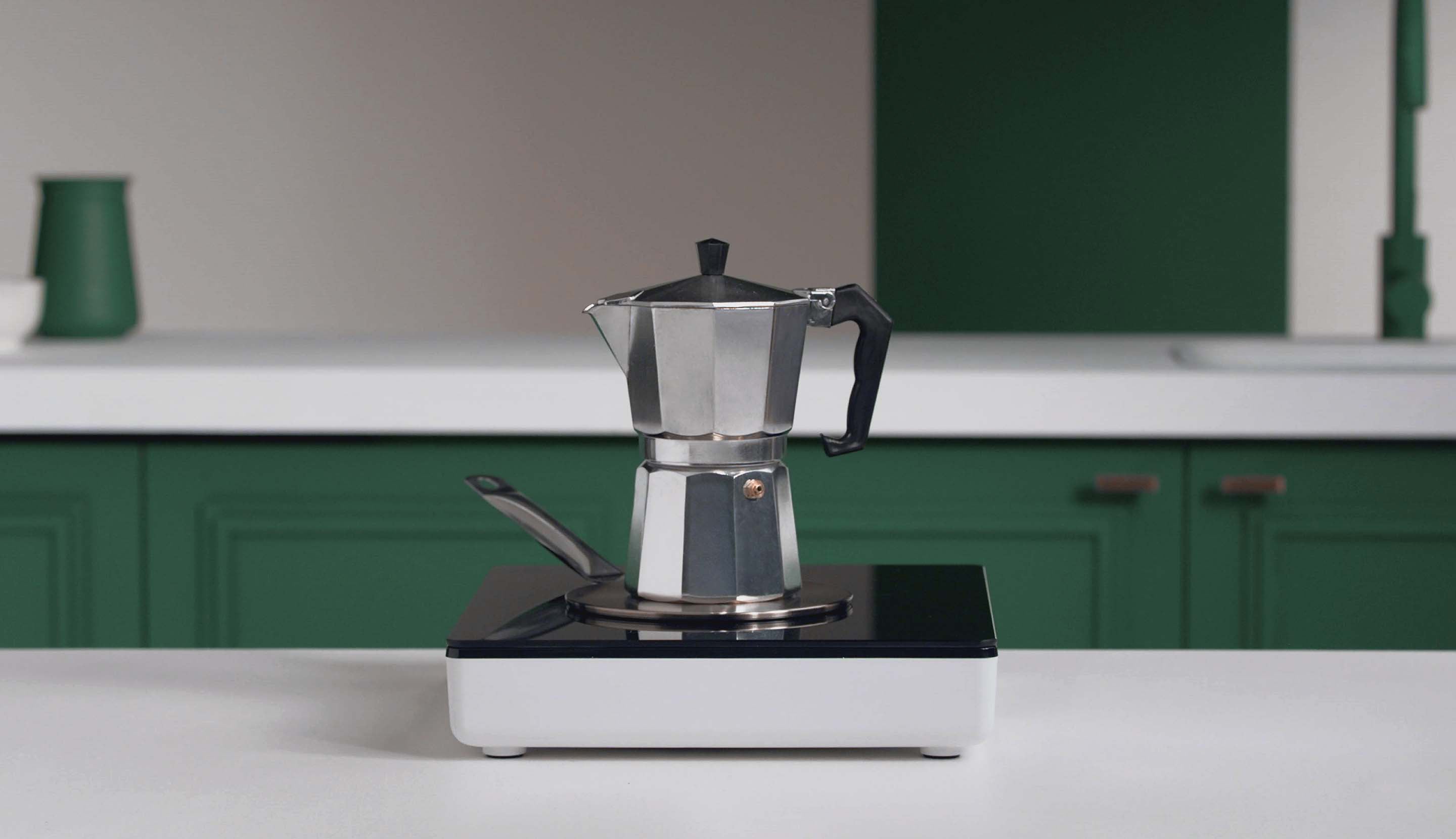
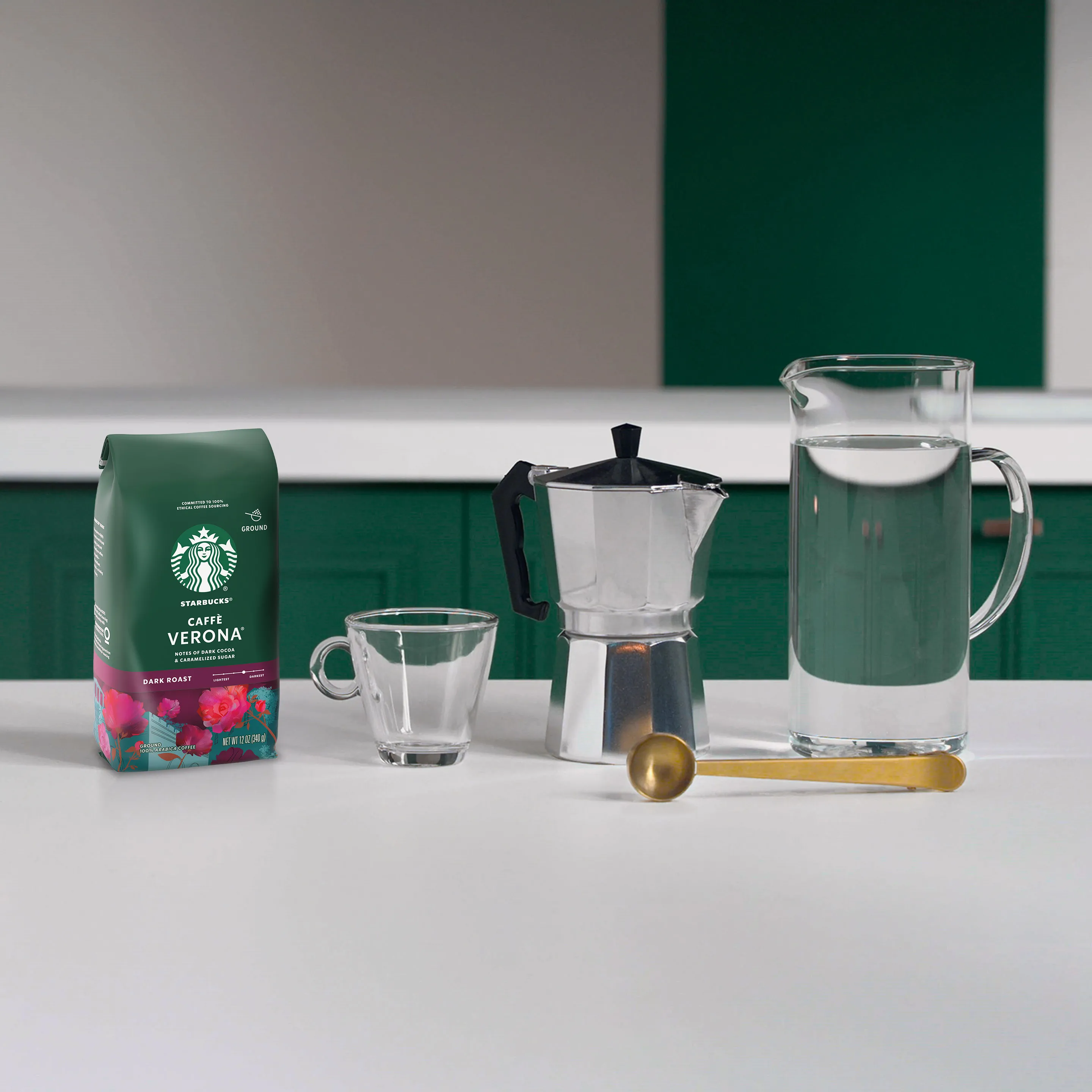
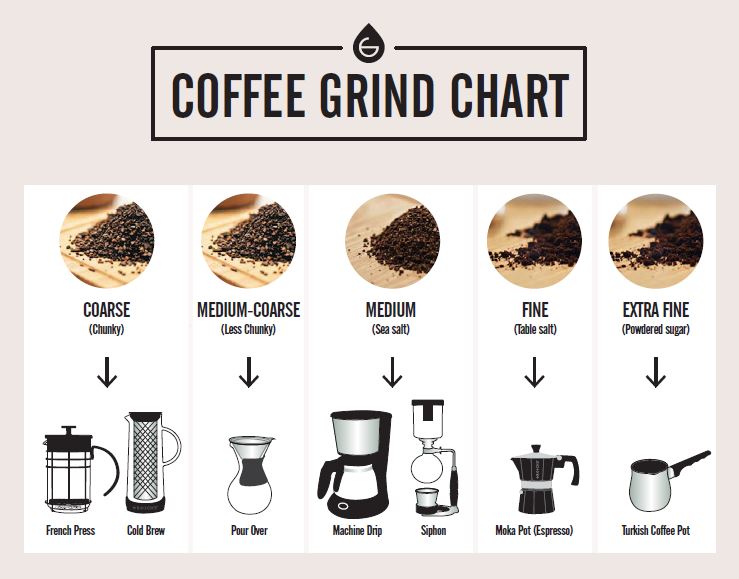
Moka pots, those iconic stovetop brewers, operate under pressure, similar to an espresso machine but at a lower level. This method requires a relatively fine grind, often described as finer than drip but coarser than espresso. This fine grind allows for proper resistance against the pressurized hot water, ensuring thorough extraction in the short brew time. If the grind is too coarse, the water rushes through, leading to under-extracted, weak coffee. If it's too fine, it can clog the filter, leading to over-extraction and a bitter taste, or even cause safety issues with excessive pressure build-up.
The Drip Coffee Grind: What's Ideal?
A normal coffee maker, also known as a drip coffee maker, uses gravity to slowly filter hot water through coffee grounds. This method requires a medium grind size, similar to granulated sugar. A medium grind provides the right balance for water to saturate the grounds evenly and extract flavors over a longer period, typically 3-5 minutes. If the grind is too fine, like moka ground coffee, the water will have difficulty passing through, leading to over-extraction, bitterness, and a muddy cup. Conversely, a grind that's too coarse will allow water to pass too quickly, resulting in an under-extracted, watery brew.
The Science Behind the Grind: Why It Matters
Understanding the science behind grind size is key to appreciating why certain grinds are paired with certain brewers. It's not just about tradition; it's about physics and chemistry.
Surface Area and Extraction
When coffee beans are ground, their total surface area increases dramatically. A finer grind means more surface area is exposed to water. This increased surface area allows for quicker and more efficient extraction of soluble compounds, such as acids, sugars, and oils, that give coffee its flavor and aroma. Moka ground coffee is fine because the moka pot’s quick, pressurized brewing needs rapid extraction. For a drip coffee maker, where water exposure is longer, a finer grind would lead to too much extraction too quickly.
Water Flow Dynamics
The size of your coffee grounds directly impacts how water flows through the coffee bed. With a coarser grind, water flows freely and quickly. With a finer grind, water flow is restricted, creating more resistance. In a moka pot, this resistance is essential for building pressure and ensuring sufficient contact time for extraction. In a normal coffee maker, a fine grind like moka ground coffee can create too much resistance. This resistance leads to slower drainage, prolonged contact time between water and grounds, and potential clogging of the filter, disrupting the optimal flow required for a balanced drip brew.
:max_bytes(150000):strip_icc()/sea-primary-drip-coffee-makers-wdickey-114-fcdea4411b8f4d97940e5dcf58bd03bf.jpeg)
What Happens When You Use Moka Ground Coffee in a Normal Coffee Maker?
So, you've got some moka ground coffee and your trusty drip coffee maker. What actually happens if you decide to go for it? While it will brew, the experience is often less than ideal.
Potential Issues: Bitter Brew and Sludge
The most common outcome of using moka ground coffee in a normal coffee maker is an over-extracted and bitter cup. Because the grounds are so fine, the hot water spends too much time in contact with them as it struggles to pass through. This over-extraction pulls out undesirable bitter compounds, leaving you with a harsh-tasting brew. Additionally, a lot of the fine particles can slip through the filter, resulting in a cup with a murky appearance and a gritty, sludgy texture at the bottom, which is not pleasant to drink.
Clogged Filters and Slow Brewing
Another significant problem is the potential for clogged filters. The fine moka ground coffee particles can easily block the pores of a standard paper or mesh coffee filter. This blockage slows down the brewing process considerably, making your coffee maker work harder and extending the brewing time far beyond what's optimal. In extreme cases, a severely clogged filter can even cause the water to overflow the filter basket. From my own experience, I've seen brew times almost double when trying to push moka grounds through a drip machine.
Impact on Coffee Maker Longevity
While using moka ground coffee occasionally might not cause immediate damage, frequent use can put undue stress on your normal coffee maker. The machine's pump (if it has one) might struggle to push water through the dense bed of fine grounds, and repeated clogging can strain its components. Over time, this could potentially reduce the lifespan of your appliance or lead to more frequent cleaning and maintenance. It's always best to use the grind size recommended by your coffee maker's manufacturer to ensure its longevity and optimal performance.
My Personal Brewing Experience
I remember one morning, a few years back, when I was in a rush and realized I only had a bag of pre-ground moka coffee and my standard drip machine. My usual medium-grind beans were out. "How bad could it be?" I thought, a common sentiment among coffee enthusiasts in a pinch. I scooped the moka ground coffee into the filter basket, pressed the button, and waited.
The brewing process was noticeably slower. Instead of a steady stream, the coffee dripped out sluggishly. The aroma, usually so inviting, seemed a bit off – heavy, almost burnt. When the brew finally finished, the coffee was significantly darker than usual. Taking a sip, I was immediately hit by an intense bitterness that coated my tongue. The taste was overwhelming and flat, lacking any of the nuanced flavors I enjoyed. Looking into the mug, there was a visible layer of fine sediment at the bottom. It was drinkable, yes, but definitely not enjoyable. From that day, I learned that while you can technically use moka ground coffee in a normal coffee maker, the quality of the cup suffers considerably, reinforcing the importance of the right grind for the right brew method.
Tips for Brewing Moka Ground Coffee in a Pinch
Sometimes, you're just stuck with what you have. If moka ground coffee is all you've got and a normal coffee maker is your only option, there are a few things you can try to mitigate the negative effects. These are not ideal solutions, but they can make a less-than-perfect situation a bit more tolerable.
Adjusting Your Brewing Parameters
Since the moka ground coffee is too fine, you'll need to compensate for the increased extraction.
- Reduce the coffee quantity: Use slightly less moka ground coffee than you normally would for a medium grind. This can help reduce over-extraction and bitterness.
- Brew a smaller batch: If your machine allows, brew a smaller amount of coffee. This might shorten the contact time slightly, as the water reservoir empties faster.
- Try a paper filter: If you normally use a permanent mesh filter, switch to a paper filter. Paper filters are generally better at trapping fine particles, which can help reduce sludge in your cup.
- Dilute after brewing: If the resulting brew is too strong or bitter, you can always dilute it with a bit of hot water to make it more palatable.
Consider a Different Method
If you absolutely must use your moka ground coffee and want a better cup than what a drip maker will provide, consider these alternatives if you have them:
- French Press: While a French press typically prefers a coarser grind, a moka grind can work if you significantly reduce the steep time (to maybe 2-3 minutes) and press very slowly to avoid too much sediment. It still won't be perfect, but generally better than drip.
- Pour-Over (with caution): If you're skilled with pour-over, you could try a very careful, slower pour-over with a paper filter. You'd need to adjust your water flow to be very gentle and consistent to prevent clogging and over-extraction. This is more advanced, though.
- Cold Brew: This is often the most forgiving method for any grind size, including fine. The cold water extracts flavors slowly over 12-24 hours, reducing the bitterness that hot water quickly pulls from fine grounds. You'll still want to strain it well to remove sediment.
:max_bytes(150000):strip_icc()/sea-groupshot-budget-coffee-makers-madeline-muzzi-03-bbc4be3b45804fa99c179e5a5cbedf39.jpeg)
Source: seriouseats.com
The Verdict: Is It Worth It?
In summary, while you absolutely can put moka ground coffee into a normal coffee maker, the question of whether you should comes with a clear caveat. Technically, it will brew, and you will get coffee. However, the experience will likely fall short of the rich, balanced cup you expect from your drip machine when using appropriately ground coffee. You'll likely encounter bitterness, a muddy texture due to sludge, and a slower brewing process.
For the best flavor and to ensure the longevity of your coffee maker, sticking to the recommended medium grind for your normal coffee maker is always the way to go. If you find yourself with only moka ground coffee, remember the tips for adjusting brewing parameters or consider alternative brewing methods that are more forgiving of a finer grind. Ultimately, the best coffee experience comes from matching the grind size to the brewing method – it's a small detail that makes a world of difference.
Frequently Asked Questions
How fine should coffee be for a normal drip coffee maker?
For a normal drip coffee maker, a medium grind size is ideal, resembling granulated sugar. This consistency allows for optimal water flow and balanced extraction over the typical brewing cycle.
Will moka ground coffee clog my coffee maker?
Yes, moka ground coffee, being finer than recommended for drip machines, can easily clog the filter of a normal coffee maker. This leads to slow brewing, potential overflows, and can strain the machine.
Can I use espresso grind in a drip coffee maker?
Espresso grind is even finer than moka ground coffee, making it even more prone to clogging and over-extraction in a normal drip coffee maker. It's highly advised against for a quality brew.
What's the best grind size for a Moka Pot?
The best grind size for a Moka Pot is a fine grind, slightly coarser than espresso but finer than drip coffee. This allows for proper pressure build-up and efficient extraction in the stovetop brewer.
What other brewing methods work with a finer grind?
Besides a Moka Pot, an espresso machine specifically requires a very fine grind. Some pour-over methods can accommodate slightly finer grinds with careful technique, and cold brew is also forgiving of finer grinds.
Conclusion
Navigating the nuances of coffee brewing, especially concerning grind size, truly elevates the at-home coffee experience. While the convenience of using whatever grounds are on hand can be tempting, understanding the specific requirements of your brewing equipment, like a normal coffee maker, ensures a consistently delightful cup. Don't let a lack of the perfect grind deter you from enjoying your coffee; instead, use this knowledge to make informed adjustments or explore new methods. Embrace the journey of coffee exploration, knowing that the right grind can transform your daily ritual. Experiment responsibly, and always aim for that perfect brew.


2 Comments