
Why Does Coffee Make Your Heart Race? The Truth About Jitters
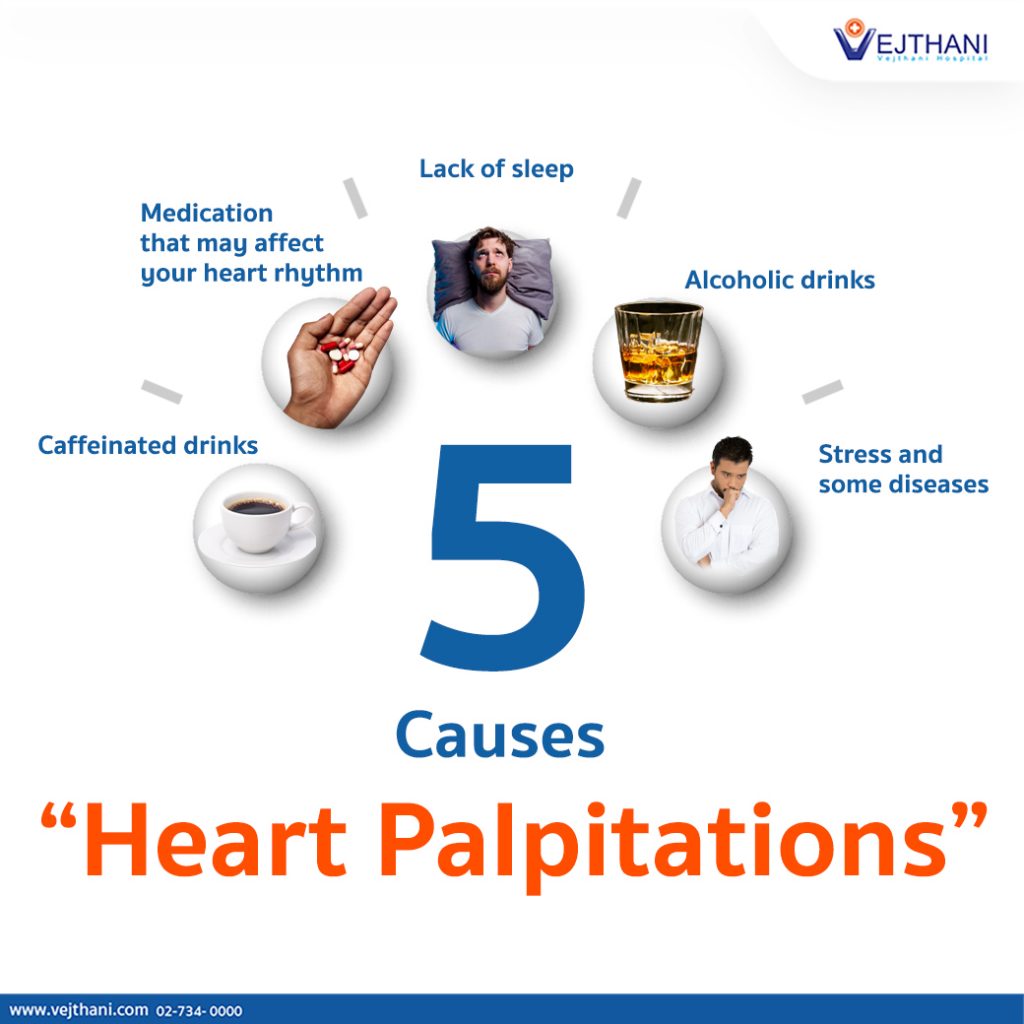
Coffee makes you palpitate primarily due to caffeine stimulating your central nervous system, increasing heart rate. If you've ever felt that fluttery, racing sensation in your chest after enjoying your morning brew, you're not alone. Many coffee lovers wonder why coffee makes you palpitate, a common experience that can range from mildly unsettling to genuinely concerning. As someone who's spent years delving into the intricate ways our bodies react to everyday substances, I can tell you there's a fascinating science behind why coffee makes you palpitate, involving everything from genetics to your personal stress levels. Let's explore the mechanisms at play and understand how you can continue to enjoy your beloved cup without the unwelcome jitters.
Understanding Palpitations
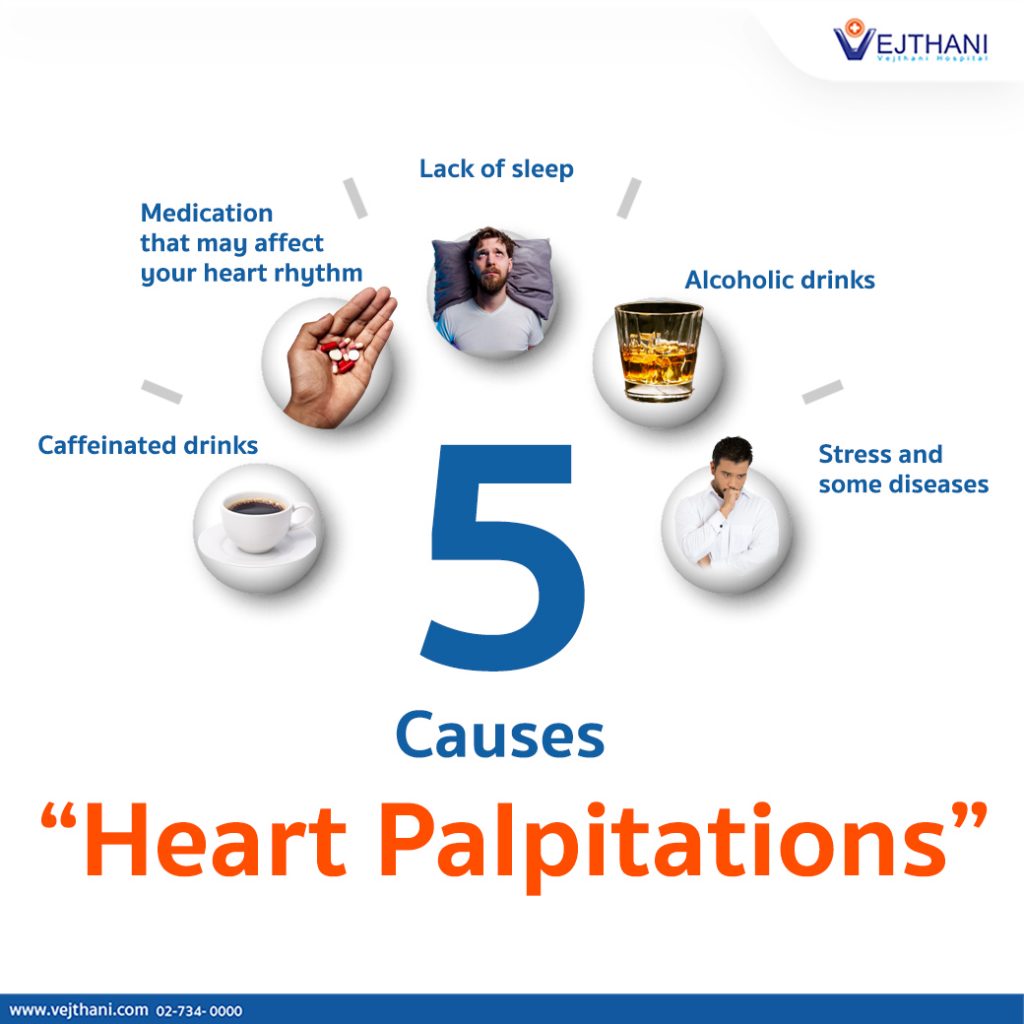
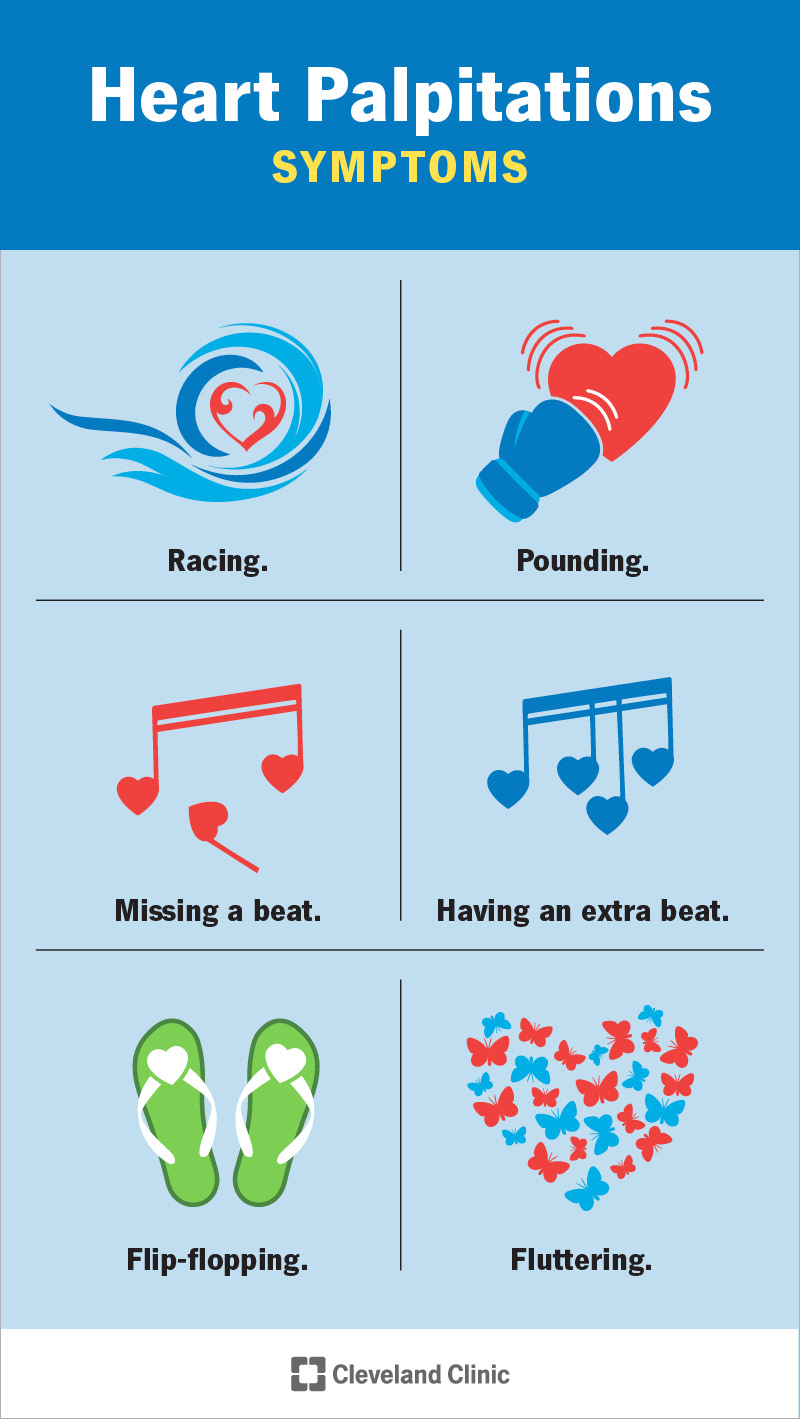
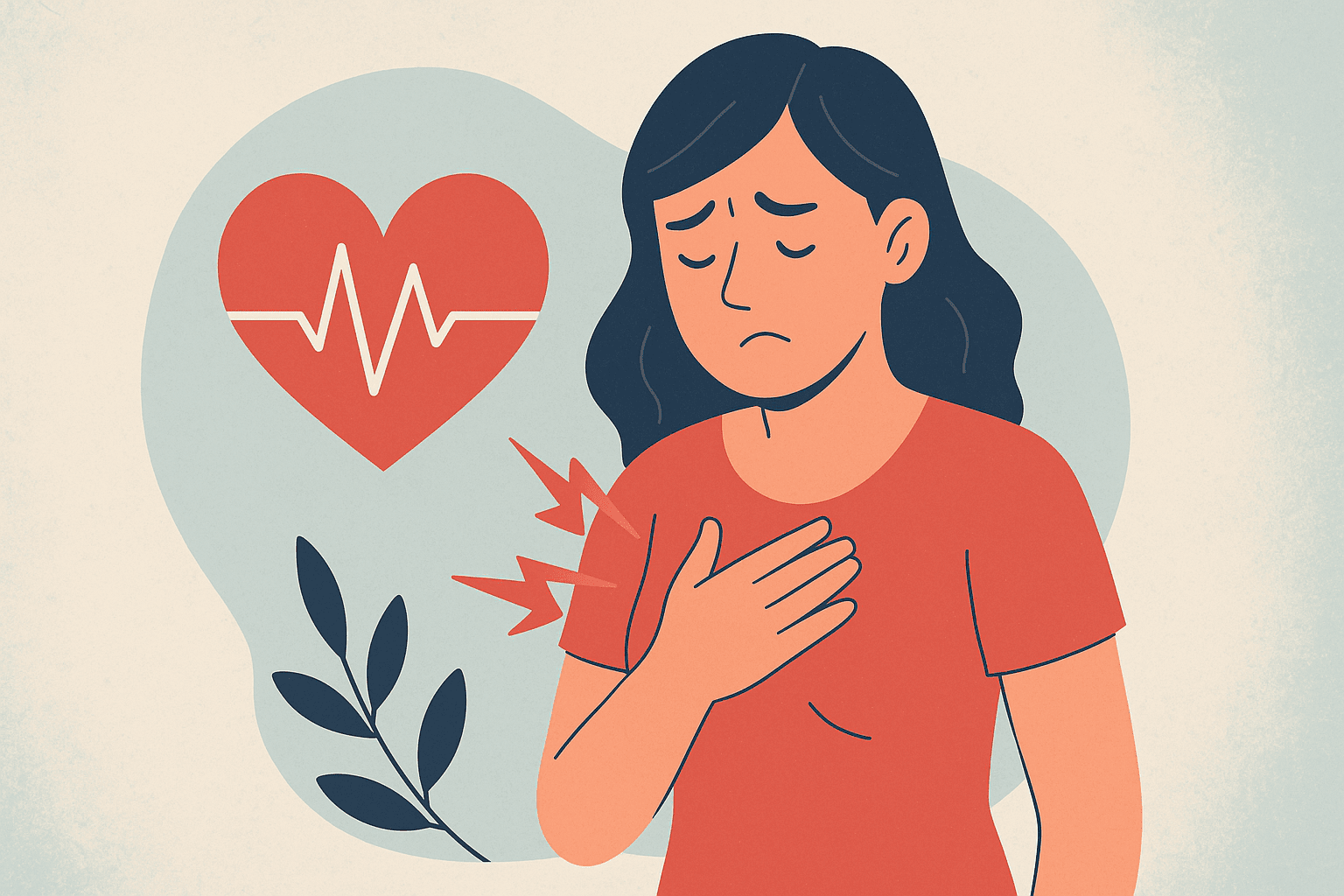
So, what exactly are palpitations? Essentially, they're the sensation of your heart beating too hard, too fast, or skipping a beat. It might feel like a flutter, a thumping, or even a pounding in your chest or neck. While they can certainly be alarming, heart palpitations are often harmless and temporary. Many different things can trigger them, from stress and anxiety to exercise, and yes, even your favorite cup of joe. Understanding why coffee makes you palpitate starts with recognizing these sensations and how they relate to what you consume.
When we talk about coffee-induced palpitations, we're usually referring to a benign response to caffeine. It’s your body’s way of reacting to a stimulant. Think of it like a car engine revving up a little too high for a moment – it's often not a sign of a major problem, but it definitely gets your attention. I’ve personally experienced this after a particularly strong espresso on an empty stomach; that feeling of my heart trying to escape my chest was unmistakable. It’s a vivid reminder of how potent coffee can be.
The Caffeine Connection: How it Works
The main culprit behind why coffee makes you palpitate is caffeine, a natural stimulant found in coffee beans. When you drink coffee, caffeine is quickly absorbed into your bloodstream. Once there, it gets to work on your central nervous system. Its primary trick is blocking a neurotransmitter called adenosine, which usually helps you relax and feel sleepy. By blocking adenosine, caffeine keeps you feeling alert and awake.
But it doesn't stop there. Caffeine also triggers the release of adrenaline and noradrenaline, often called your "fight or flight" hormones. These hormones prepare your body for action by increasing your heart rate, raising blood pressure, and boosting blood flow to your muscles. For some people, this surge of adrenaline can manifest as heart palpitations, making them acutely aware of their heart beating faster or harder. It's this powerful interaction with your body's natural alert system that explains why coffee makes you palpitate. It’s a direct stimulant effect that puts your cardiovascular system into a higher gear.
Individual Sensitivity to Caffeine
One of the most fascinating aspects of why coffee makes you palpitate is the huge variation in individual sensitivity. What gives one person a gentle boost might send another into a full-blown jittery panic. A big part of this difference comes down to genetics, particularly an enzyme in your liver called CYP1A2. This enzyme is responsible for metabolizing about 95% of the caffeine you consume. Some people have a genetic variant that makes their CYP1A2 enzyme super-efficient, clearing caffeine from their system quickly. These "fast metabolizers" can often drink more coffee without feeling jittery.
On the flip side, "slow metabolizers" have a less efficient enzyme, meaning caffeine lingers in their system for much longer. This prolonged exposure can lead to exaggerated effects, including palpitations, anxiety, and sleep disturbances, even from a small amount of coffee. Your overall tolerance, body weight, age, and even certain medications can also play a role in how your body processes caffeine. For instance, I've noticed that as I've gotten older, my tolerance has shifted, and I’m more prone to experiencing why coffee makes you palpitate if I don't pay attention to my intake. It’s all about understanding your unique physiological response.
More Than Just Caffeine: Other Factors
While caffeine is the primary driver behind why coffee makes you palpitate, it's not the only factor at play. Other components and circumstances surrounding your coffee consumption can amplify these effects. For instance, many popular coffee drinks are loaded with sugar, artificial sweeteners, and various creamers or syrups. These additives can contribute to a rapid increase in blood sugar, which can itself cause a jolt to your system and exacerbate the feeling of palpitations.
Additionally, your state of mind matters immensely. If you're already feeling stressed, anxious, or sleep-deprived, your body is already in a heightened state of alert. Adding coffee into that mix can push your system further, making you more susceptible to feeling why coffee makes you palpitate. Dehydration can also intensify the effects of caffeine, as can drinking coffee on an empty stomach, which allows caffeine to be absorbed more rapidly. It’s a delicate balance; sometimes, it’s not just the coffee itself, but the perfect storm of other lifestyle factors making your heart race.
When to Be Concerned: Signs and Symptoms
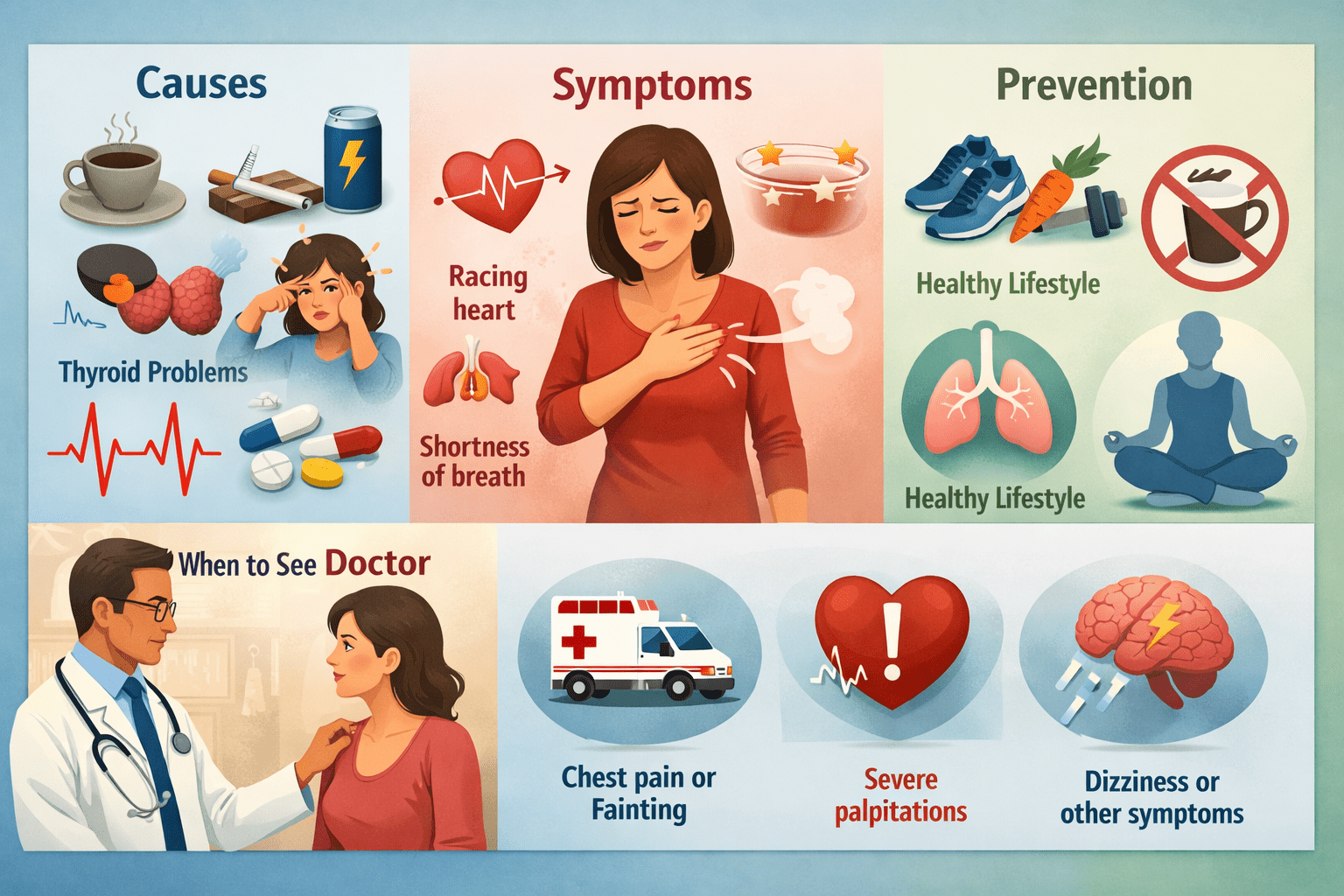
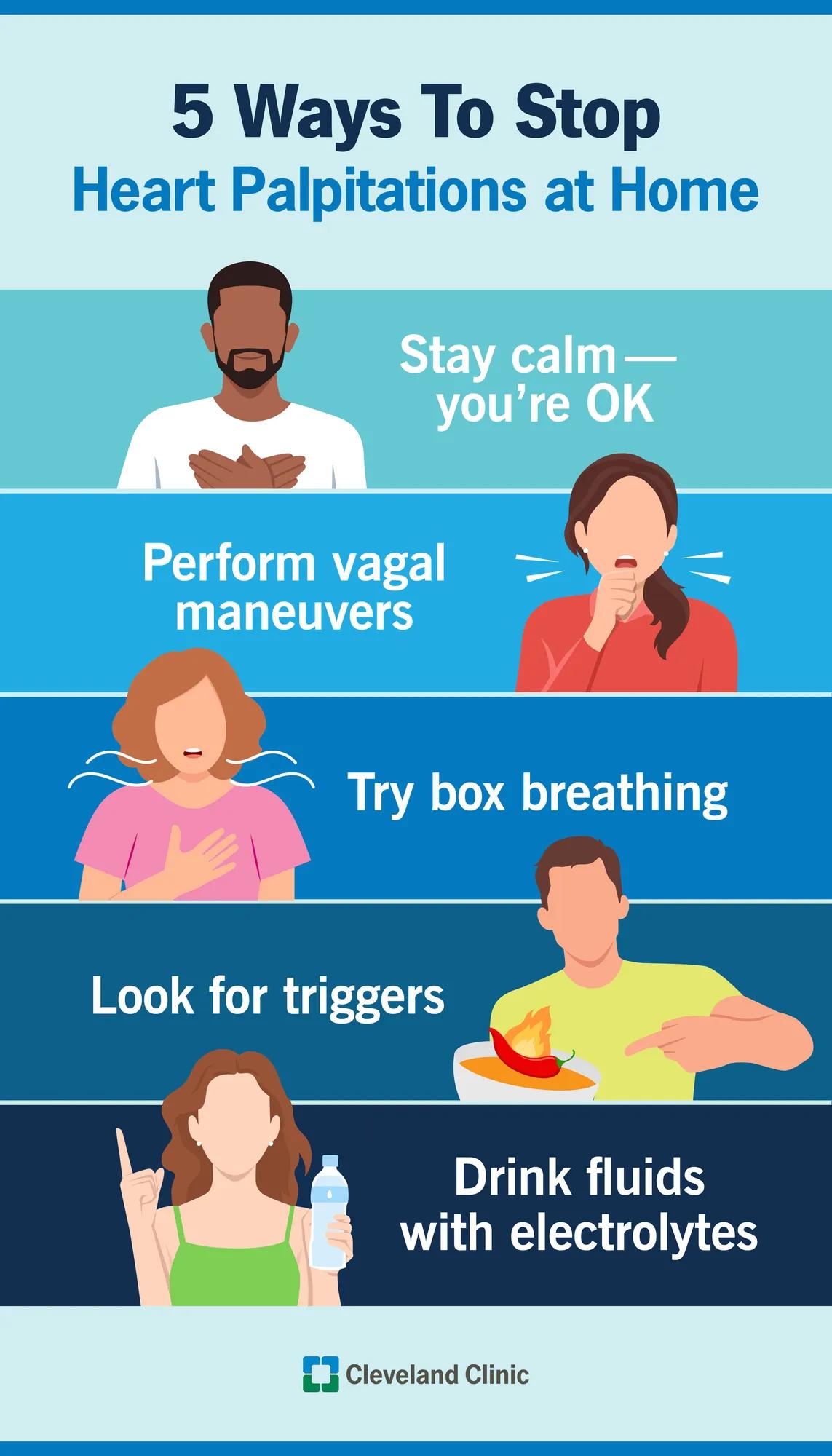
Most of the time, the palpitations you feel after coffee are harmless and temporary. They might be uncomfortable, but they usually pass without any serious consequences. However, it's crucial to know the difference between a normal caffeine-induced flutter and something that might warrant medical attention. If your palpitations are consistently accompanied by other concerning symptoms, it's time to talk to a doctor.
Symptoms to look out for include:
- Chest pain or tightness
- Shortness of breath
- Dizziness or lightheadedness
- Fainting or near-fainting spells
- Palpitations that last for a long time or don't go away
- A feeling of confusion
If you have a pre-existing heart condition, or a family history of heart issues, you should always be more cautious. While coffee making you palpitate is often benign, these additional symptoms could indicate an underlying issue that requires professional evaluation. I always tell friends who describe these more severe feelings that it's better to be safe than sorry and get a medical opinion.
Managing Coffee-Induced Palpitations
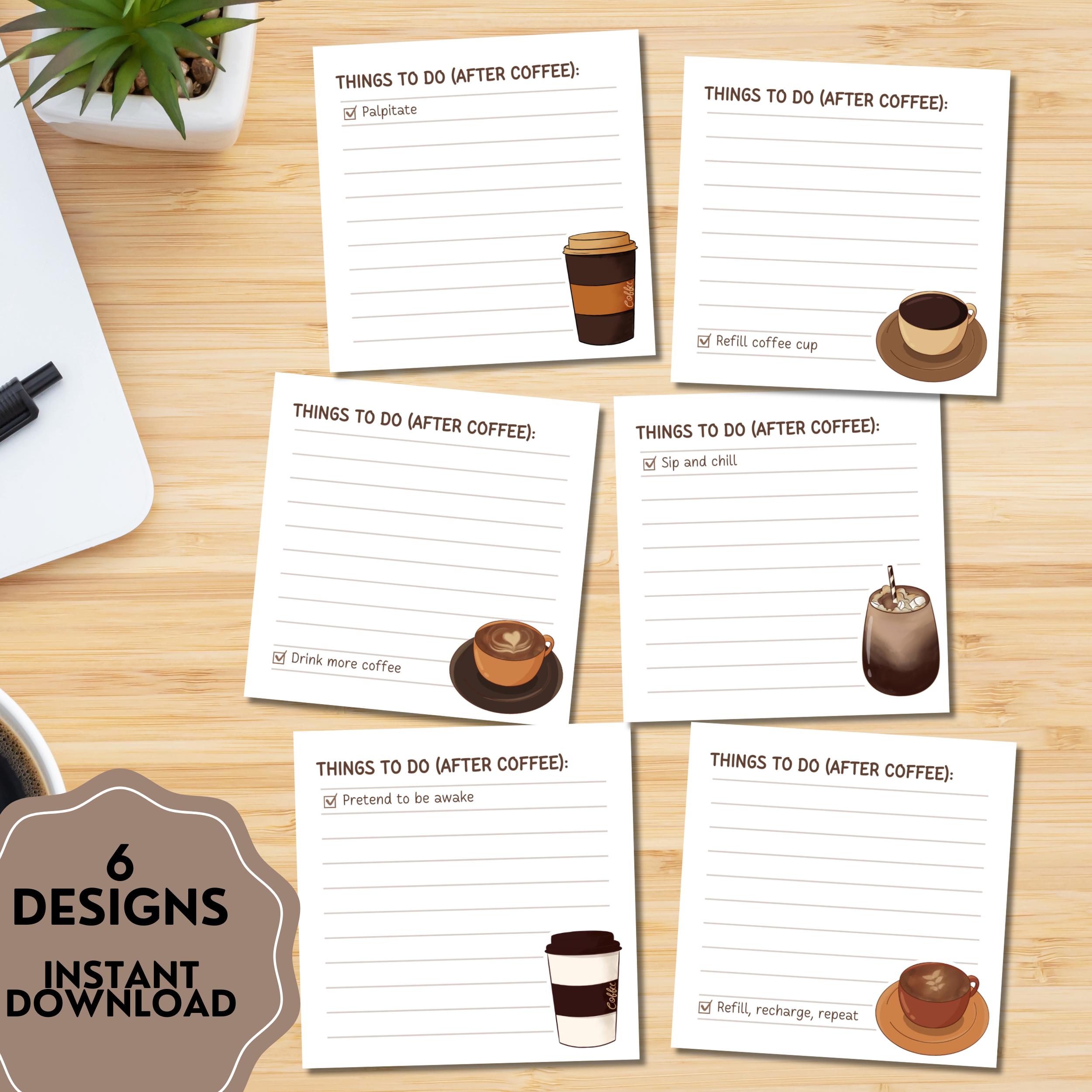
The good news is that if why coffee makes you palpitate is a concern for you, there are several practical steps you can take to manage or reduce these sensations. It’s all about finding what works best for your body.
Here are some tips:
- Reduce Your Intake: This might seem obvious, but cutting back on the amount of coffee you drink, or switching to smaller serving sizes, can significantly lessen the effects.
- Opt for Decaf or Half-Caf: Gradually transitioning to decaffeinated or partially decaffeinated coffee can still give you the flavor without the intense caffeine kick.
- Hydrate Properly: Drink plenty of water throughout the day, especially when you're consuming coffee. Dehydration can worsen palpitations.
- Eat Before You Drink Coffee: Having food in your stomach slows down caffeine absorption, leading to a more gradual and less intense stimulant effect.
- Monitor Your Body's Reaction: Pay attention to how different types of coffee, brewing methods, and consumption times affect you. Keep a journal if it helps!
- Manage Stress: Since stress and anxiety can amplify palpitations, incorporating relaxation techniques like deep breathing, meditation, or yoga can be beneficial.
From my own experience, I've found that mindful consumption is key. Instead of guzzling a large coffee first thing in the morning, I now savor a smaller cup alongside breakfast. This simple change has made a world of difference in preventing that unwelcome feeling of why coffee makes you palpitate. Listen to your body; it usually tells you exactly what it needs.

Frequently Asked Questions
Is it normal for coffee to make your heart race?
Yes, it is quite common and often normal for coffee, due to its caffeine content, to make your heart race or cause palpitations. Caffeine is a stimulant that can temporarily increase heart rate and blood pressure in many individuals.
How much coffee is too much if I experience palpitations?
The "too much" amount varies greatly by individual sensitivity, but generally, exceeding 400 mg of caffeine (about four 8-oz cups of coffee) per day is often cited as a limit. If you experience why coffee makes you palpitate, even smaller amounts might be too much for you.
Can decaf coffee cause palpitations?
While much less likely, decaf coffee still contains trace amounts of caffeine (typically 2-15 mg per cup), which could potentially trigger mild palpitations in highly sensitive individuals. Other ingredients or additives in decaf could also be a factor.
Do certain types of coffee cause more palpitations than others?
Yes, the caffeine content varies significantly by bean type (Robusta has more than Arabica), roast level (lighter roasts often have more caffeine), and brewing method (espresso and cold brew can be highly concentrated). Stronger, higher-caffeine options are more likely to cause why coffee makes you palpitate.
When should I worry about coffee-induced palpitations?
You should worry and consult a doctor if your palpitations are accompanied by chest pain, dizziness, shortness of breath, fainting, or if they are persistent and don't resolve quickly. These could indicate an underlying medical condition.
Conclusion
Understanding why coffee makes you palpitate is a journey into your body's unique physiology and its interaction with a beloved stimulant. It's clear that while caffeine is the primary trigger, individual sensitivity, genetics, and lifestyle factors like stress and hydration all play significant roles. The fluttering sensation is often a harmless, temporary response to your body's "fight or flight" system being activated.
However, recognizing your limits and listening to your body's signals is paramount. Don't let the fear of why coffee makes you palpitate deter you from enjoying your favorite beverage entirely, but do empower yourself with knowledge and mindful consumption habits. Pay attention to how different amounts and types of coffee affect you, consider reducing your intake, and always prioritize your well-being. If you find yourself experiencing severe or persistent symptoms, please don't hesitate to consult a healthcare professional. Share your own experiences with coffee and palpitations in the comments below, or explore more of our resources on maintaining a healthy lifestyle!

3 Comments