Why Did Costco Get Rid Of Coffee Grinders: What Happened?
For years, a beloved ritual for many American Costco members involved selecting their favorite bulk coffee beans and then heading to the in-store grinder, filling the air with the rich aroma of freshly ground coffee. So, when these familiar grinding stations began to disappear from warehouses across the USA, it left many wondering: why did Costco get rid of coffee grinders? The primary reasons behind this shift likely involve a combination of evolving safety protocols, the costs associated with maintenance and hygiene, product quality control, and a significant change in how American consumers prefer to prepare their coffee at home.

The Core Reasons Behind Costco's Decision
The move to phase out in-store coffee grinders wasn't an isolated incident but rather a strategic decision likely influenced by multiple interconnected factors. Understanding these elements helps shed light on why a convenience once cherished by many US shoppers is no longer available.
Safety and Operational Concerns
One of the most compelling reasons for the removal of coffee grinders in American Costco stores undoubtedly centers on safety. These powerful machines, while convenient, posed potential risks. There were concerns about members or employees accidentally injuring themselves, or foreign objects finding their way into the grinders. Furthermore, coffee dust, while aromatic, can be a respiratory irritant and contribute to general store cleanliness challenges, especially in a high-traffic environment like Costco. Reducing such operational liabilities aligns with ensuring a safer shopping experience for everyone.
Maintenance Costs and Hygiene Standards
Maintaining a fleet of industrial-grade coffee grinders across hundreds of US warehouses is no small feat. These machines require regular cleaning, calibration, and repair to function correctly and safely. Each grinder represents an ongoing operational expense in terms of parts, labor, and downtime. Beyond mechanical upkeep, hygiene is paramount, especially in food-related areas. Preventing cross-contamination of allergens or the buildup of old coffee residue – which can turn rancid and affect flavor – demands diligent cleaning. Removing the grinders simplifies compliance with stringent health and safety standards, minimizing potential risks for members with allergies and ensuring a consistently clean environment.
Product Consistency and Quality Control
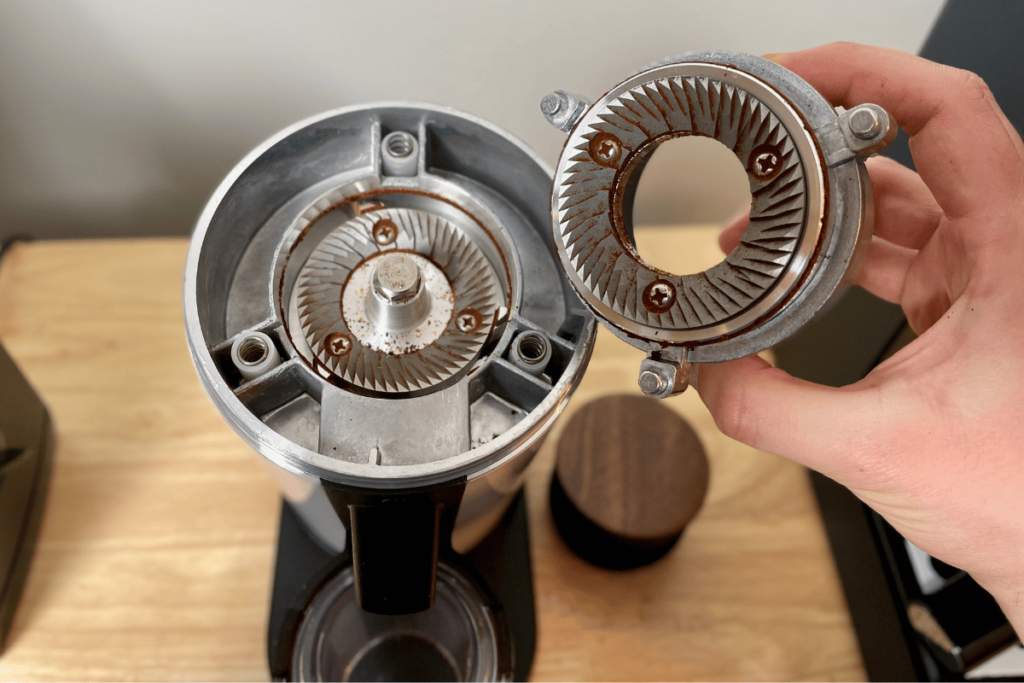
While the in-store grinders offered convenience, they didn't always guarantee a consistent grind, which is crucial for optimal coffee brewing. Different users might operate them differently, or the machines themselves could wear, leading to varying grind sizes. This inconsistency can impact the quality of the brewed coffee for the end-user. Additionally, residual coffee grounds from previous uses could mix with new beans, potentially altering the flavor profile or introducing unwanted old coffee flavors. For a brand like Costco, which prides itself on value and quality, ensuring a consistent product experience might have led them to conclude that in-store grinding was a variable they could no longer control effectively.
Evolving American Consumer Behavior
The way Americans buy and consume coffee has changed dramatically over the past decade. There's been a significant rise in the popularity of single-serve coffee makers (like Keurig), which rely on pre-packaged pods. Many households also now own their own relatively affordable and high-quality home coffee grinders, allowing them to grind beans fresh at home just before brewing. This shift means that fewer members might have actually been utilizing the in-store grinders, diminishing their perceived value as a store amenity. As consumer preferences lean towards either pre-ground convenience or sophisticated home-grinding setups, the utility of a shared in-store grinder has naturally decreased.

What This Means for Your Coffee Routine
The absence of in-store coffee grinders at Costco doesn't mean the end of fresh coffee for US members; it simply shifts how you might approach your coffee preparation.
Adapting to the Change
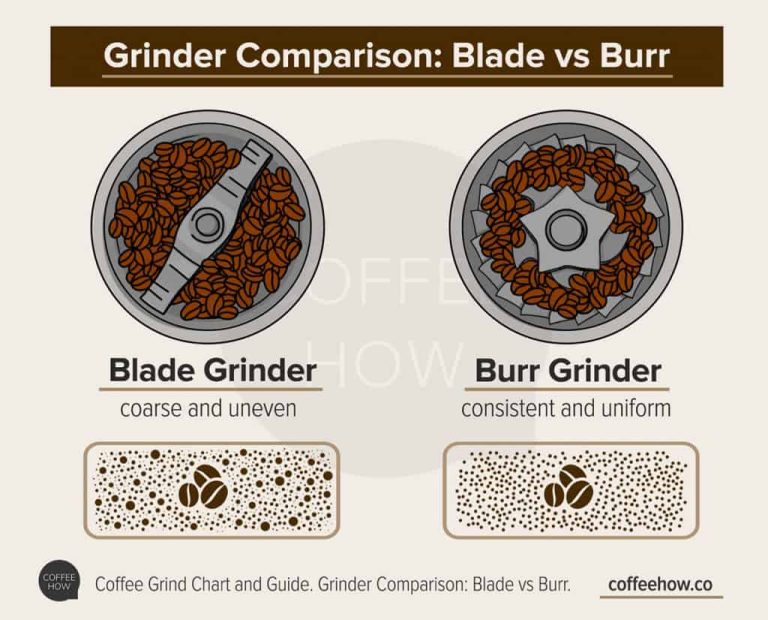
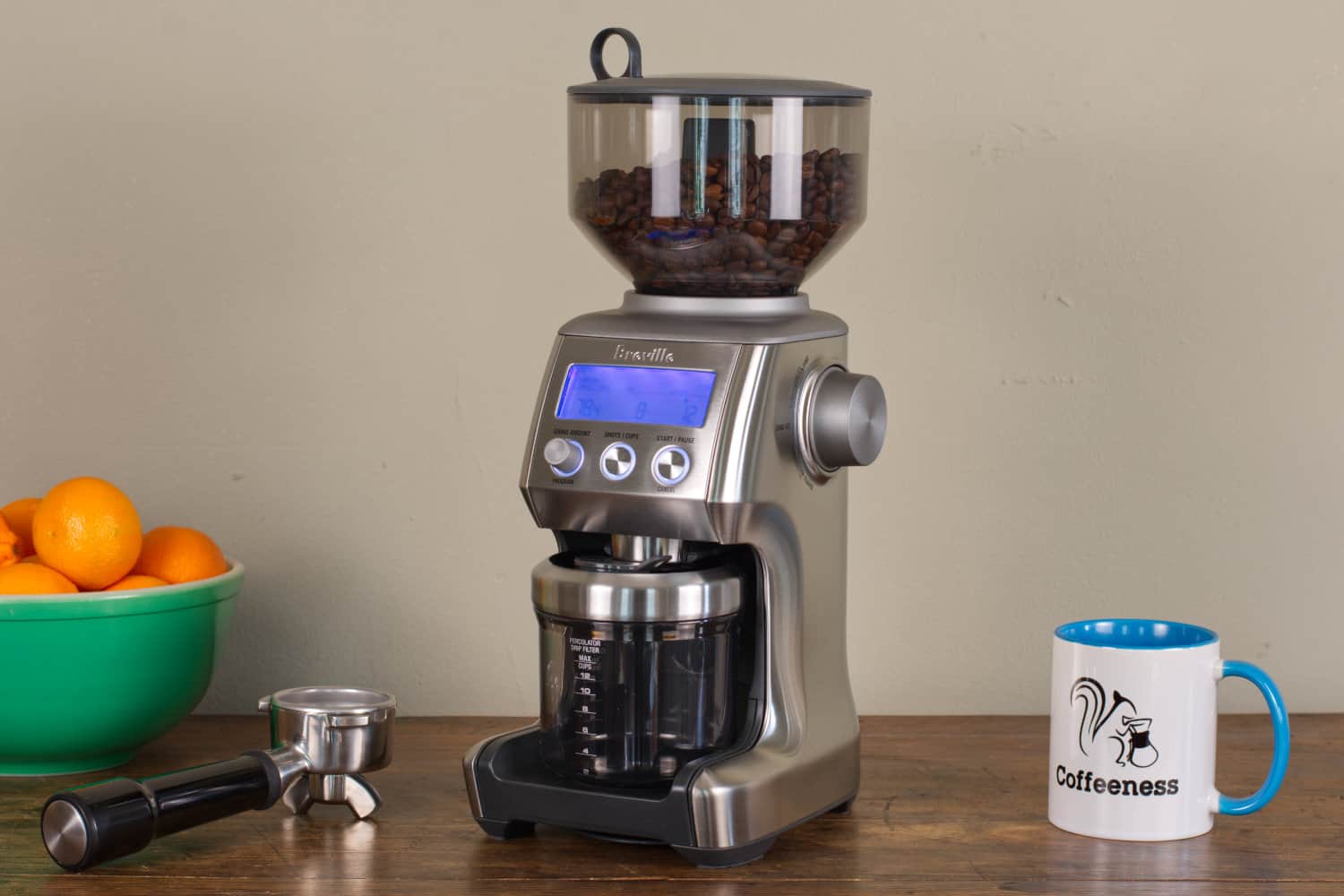
For many American coffee enthusiasts, the solution is straightforward: investing in a quality home coffee grinder. There's a wide range of options available, from affordable blade grinders for basic needs to more consistent burr grinders that offer precise control over grind size. Grinding your beans fresh at home ensures the ultimate freshness and allows you to customize the grind for your specific brewing method, whether it's drip, French press, or espresso. Alternatively, many specialty coffee shops or smaller grocery stores still offer grinding services, sometimes even if you didn't purchase the beans there. For those who prioritize convenience, Costco continues to offer an extensive selection of pre-ground coffee, often in large, value-sized packages, as well as a variety of single-serve pods.

The Future of Coffee at Costco
While the in-store grinders may be a thing of the past, Costco remains a significant player in the US coffee market. The company continues to offer a vast selection of coffee products to meet diverse consumer needs.
Focus on Variety and Convenience
Expect Costco to continue expanding its already impressive array of coffee options. This includes a robust selection of whole bean coffees from various regions and roasters, allowing members to still enjoy fresh-ground coffee at home with their own grinders. They'll also likely maintain a strong presence in the pre-ground coffee segment, catering to those who prefer ready-to-brew convenience. Furthermore, the selection of K-Cups and other single-serve options will undoubtedly remain strong, reflecting the ongoing popularity of these quick brewing methods across American households. The emphasis is on providing choice and value, even if the in-store grinding service is no longer part of the equation.
Frequently Asked Questions
Understanding the reasons behind Costco's decision might lead to a few more questions for US coffee lovers.
Are the coffee grinders gone from all Costco locations in the US?
Yes, based on numerous member reports and observed changes, the in-store coffee grinders have been phased out across virtually all Costco warehouses in the United States. While specific timing might have varied slightly by location, the general consensus is that they are no longer available.
What are good alternatives for grinding coffee at home?
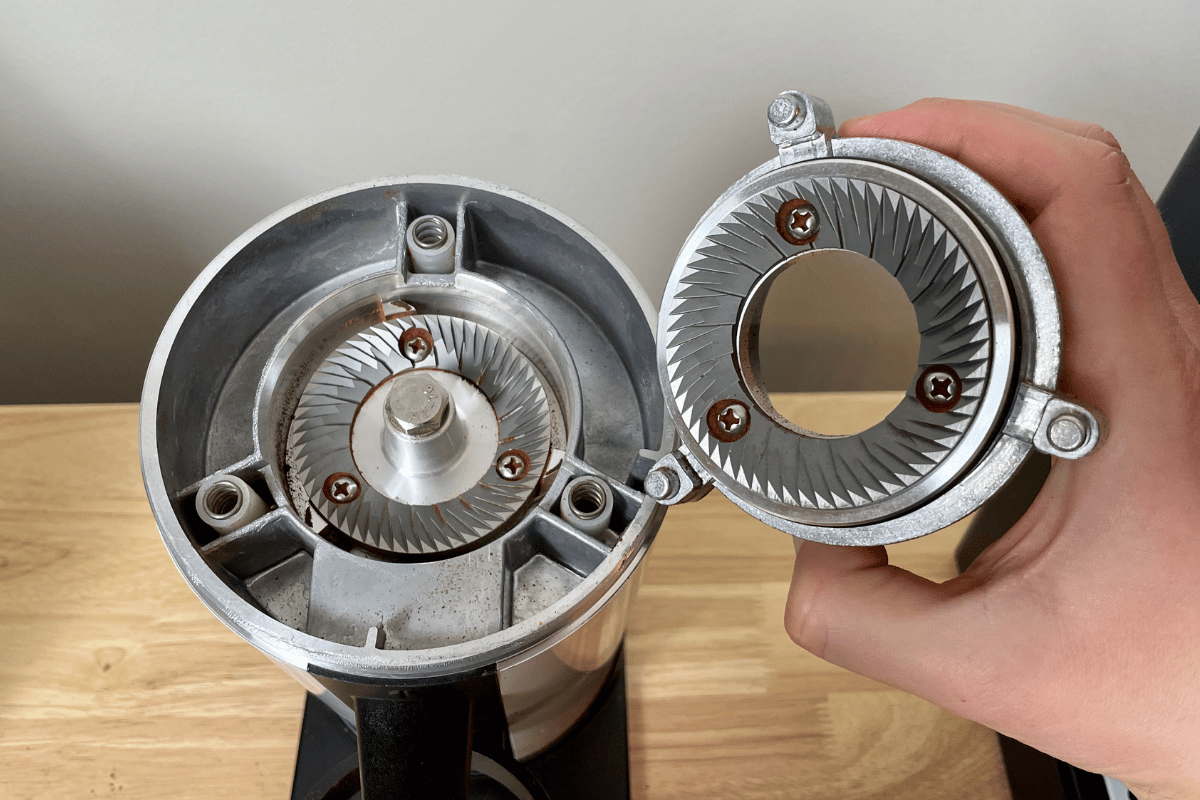
Many excellent home grinding options are available. For entry-level convenience, blade grinders are affordable. However, for a more consistent and better-tasting cup, a burr grinder (either manual or electric) is highly recommended. These grinders crush beans uniformly, producing an even grind crucial for optimal extraction.
Does Costco still sell whole bean coffee?
Absolutely! Costco continues to offer a wide selection of whole bean coffee, often in large bags, from various brands including their own Kirkland Signature, Starbucks, and other popular roasters. You'll find these alongside their pre-ground and single-serve coffee options.
Did other grocery stores also remove grinders?
While Costco's move was widely noticed due to its popularity, some other grocery chains, particularly conventional supermarkets, still offer in-store coffee grinders. However, the trend leans towards fewer stores providing this service due to similar operational and hygiene considerations. It's best to check with your local grocery store.
Will Costco ever bring back in-store grinders?
It is highly unlikely that Costco will bring back in-store coffee grinders. The reasons for their removal – safety, maintenance, hygiene, and changing consumer habits – are fundamental and systemic. Reintroducing them would mean reintroducing the very challenges that led to their discontinuation.
Conclusion
The disappearance of coffee grinders from Costco warehouses across the USA marks a quiet but significant shift in the American retail landscape. This change wasn't due to a single factor, but rather a confluence of practical considerations: prioritizing member and employee safety, managing the increasing costs and complexities of maintenance and hygiene, striving for consistent product quality, and adapting to the evolving preferences of coffee consumers. While it signals the end of a convenient era for some, it also encourages members to explore the excellent options for home grinding or to embrace the wide variety of quality pre-ground and single-serve coffees that Costco continues to provide. The focus, as always, remains on delivering value and quality, even as the methods adapt.