Does a Coarser Grind Increase TDS? Espresso Extraction Explained
Your TDS is highest with a coarsest grind and shortest shot time because severe channeling causes water to bypass most coffee, extracting a concentrated, albeit underextracted, portion.
Ever pulled an espresso shot that looked like it raced through the portafilter, ended in a remarkably short time, and yet your TDS meter proudly proclaimed a sky-high reading, leaving you utterly baffled? It’s a common paradox in the coffee world, especially for home baristas and enthusiasts meticulously chasing that perfect extraction. Understanding why your TDS might be highest with the coarsest grind and shortest shot time involves diving deep into the intricate dance between coffee particles, water flow, and the science of extraction. Don't worry, you're not alone in this head-scratcher, and by the end of this article, we'll unravel this intriguing mystery together, equipping you with the knowledge to consistently pull delicious shots.
Understanding Total Dissolved Solids (TDS) in Coffee
Let's kick things off by demystifying TDS. Total Dissolved Solids, or TDS, is simply a measurement of the concentration of all the organic and inorganic substances dissolved in a liquid. When we talk about coffee, TDS measures the percentage of brewed coffee that isn't water. So, if your espresso has a 10% TDS, it means 10% of that liquid is dissolved coffee solids, and 90% is water. It's a key metric baristas use to gauge the strength of a brew.
However, it's crucial to understand that TDS tells us about strength, not necessarily quality or total extraction yield. A higher TDS means a more concentrated beverage, but it doesn't automatically imply a well-balanced or fully extracted flavor profile. This distinction is vital when we discuss why your TDS might be highest with a coarsest grind and shortest shot time. In my journey through countless espresso experiments, I've seen many aspiring baristas get caught up in chasing a high TDS number, only to find their coffee tasting anything but good. It's a lesson I learned early on: context matters immensely.
The Role of Grind Size in Espresso Extraction
Grind size is arguably one of the most critical variables in espresso preparation. It directly dictates the surface area of the coffee particles exposed to water. Think of it this way: a finer grind means more individual coffee particles and thus a vastly larger total surface area for water to interact with. This increased surface area allows for more efficient extraction of desirable compounds (sugars, acids, oils) from the coffee.
Conversely, a coarser grind offers less surface area. Imagine trying to dissolve a large rock versus a pile of sand – the sand will dissolve much faster because more of it is exposed. In espresso, a coarser grind typically means less resistance to water flow, leading to faster shot times. This often results in underextraction, where the water hasn't had enough time or contact with the coffee to dissolve a sufficient amount of solids for a balanced flavor. It's a common mistake I've encountered when teaching new baristas; they often start too coarse, leading to watery, sour shots, even if some parts of the puck are severely over-extracted.
The Impact of Shot Time on Espresso
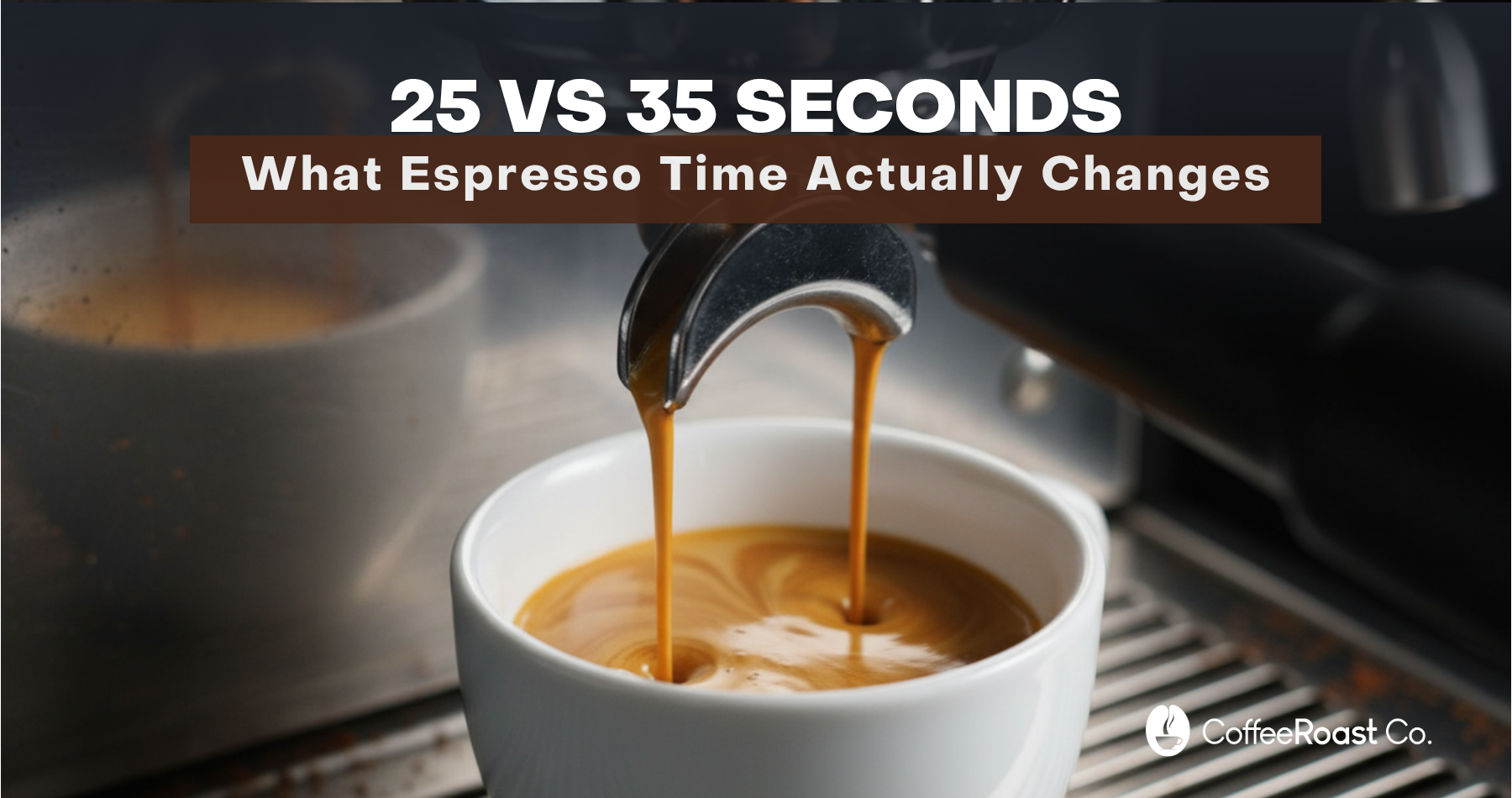
Shot time refers to the duration water spends flowing through the coffee puck, from the moment the pump engages to when the desired beverage weight is reached. This variable is intimately linked with grind size and dose. A longer shot time allows for more contact between water and coffee, promoting greater extraction. Conversely, a shorter shot time means less contact, which generally leads to less extraction and an underextracted beverage.
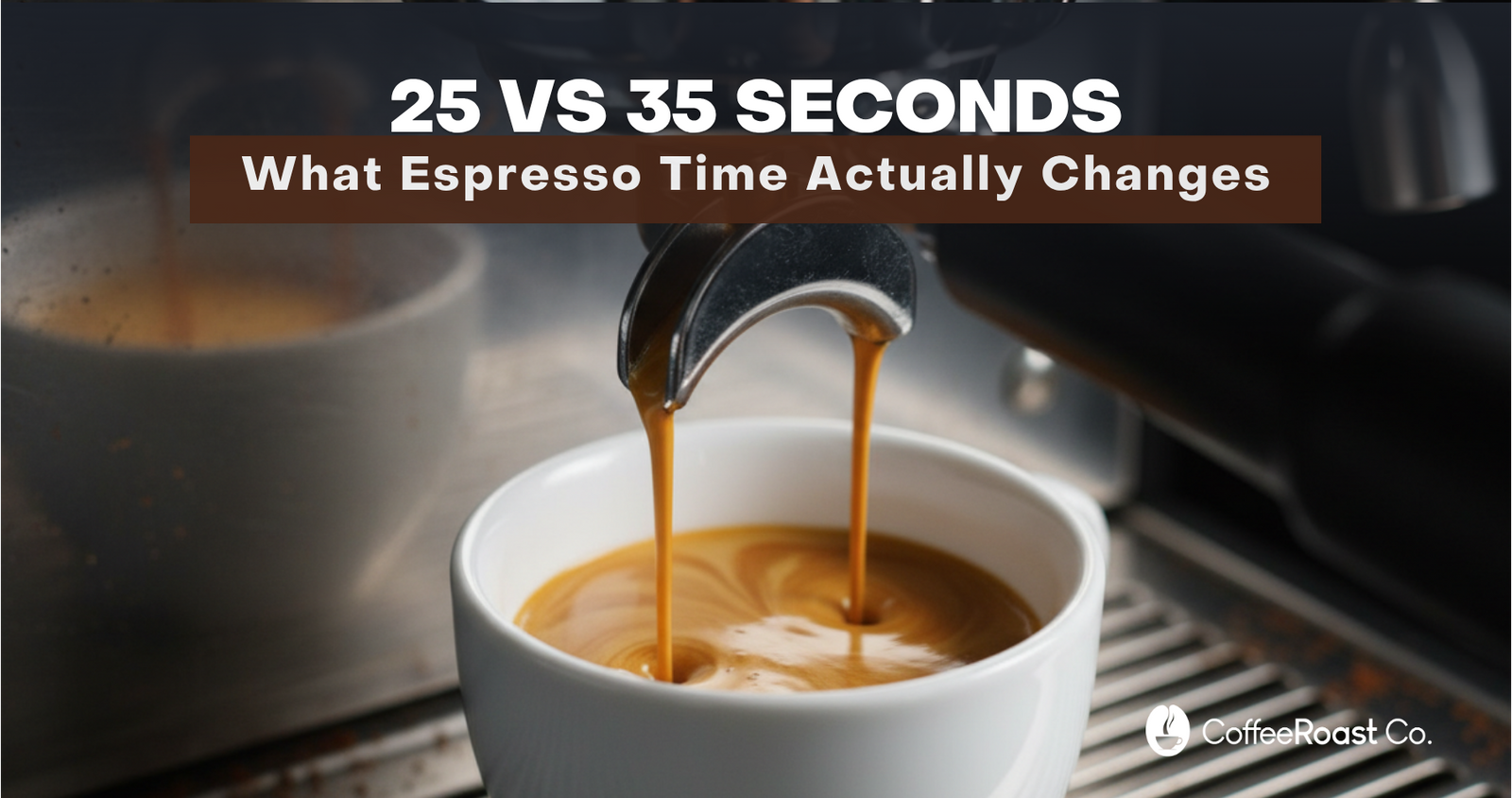
The ideal shot time for espresso often falls within a range, typically 25-35 seconds, depending on the specific coffee, roast level, and desired taste profile. When a shot runs too fast – say, 10-15 seconds – it's a strong indicator that the water isn't spending enough time interacting with the coffee grounds. This can happen due to a grind that's too coarse, an insufficient dose, or, as we'll explore next, a phenomenon called channeling. I recall a period when I was particularly obsessed with hitting a specific shot time, only to realize I was sacrificing flavor for a number. It's about finding that sweet spot where time, grind, and taste align.
The Phenomenon of Channeling
Channeling is the critical piece of the puzzle to understanding why your TDS might be highest with the coarsest grind and shortest shot time. Channeling occurs when water finds paths of least resistance through the coffee puck, creating "channels" or tunnels. Instead of flowing evenly through the entire bed of coffee, the water rushes through these specific pathways, bypassing large sections of the coffee grounds entirely.
This uneven flow leads to a disastrously inconsistent extraction. The coffee particles directly in the channels get severely over-extracted in a very short amount of time, as a disproportionate amount of water flows through them. Meanwhile, the vast majority of the coffee puck remains vastly underextracted, almost untouched by the brewing water. When you combine a coarse grind with a short shot time, you amplify the likelihood and severity of channeling. The coarse particles already offer less resistance, making it easier for water to carve out dominant pathways quickly. The result is a short shot time, but the small portion of coffee that did get extracted through those channels is highly concentrated, leading to a deceptively high TDS reading.
Why High TDS Doesn't Always Mean Good Extraction
This is where the true understanding comes into play. When channeling occurs with a coarse grind and short shot time, the water primarily extracts from a very small fraction of the coffee bed. The solids that are dissolved come from these specific, over-extracted channels. Because the total volume of water interacting with this small portion of coffee is relatively high compared to the actual coffee extracted, the resulting liquid is incredibly concentrated.
Imagine brewing a tiny pinch of coffee with a small amount of water. You'd get a very strong, concentrated liquid, even if you didn't extract much total coffee. That's essentially what happens with severe channeling. The TDS meter simply measures the concentration of dissolved solids in the liquid it sees in your cup, not how evenly those solids were extracted from the entire coffee puck. A high TDS in this scenario is a false positive – it indicates strong coffee, but not good coffee. The taste will likely be acrid, bitter from the over-extracted channels, and sour/underdeveloped from the rest of the puck. It's a classic example of "strength without substance." I've been there, thinking a high TDS meant success, only to taste a truly terrible shot. It’s a humbling reminder that numbers only tell part of the story; taste is the ultimate arbiter.

My Personal Experience with Channeling and TDS
I remember a particularly frustrating period when I upgraded to a new, high-end espresso machine. I was eager to get perfect shots but kept encountering this exact scenario: short shots, gushing streams, and yet, my refractometer showed surprisingly high TDS readings. My first instinct was confusion – how could something so clearly underextracted (based on taste and visual cues) be so "strong"?
I initially thought my refractometer was faulty, or perhaps the coffee itself was just incredibly potent. After countless wasted shots and a lot of head-scratching, I meticulously started dissecting my puck prep. What I realized was that despite having a very capable grinder, my distribution technique was inconsistent, and I was tamping unevenly. Even with a seemingly appropriate grind, these small inconsistencies were creating localized weak points in the puck. When I then experimented with a slightly coarser grind and kept my shot time short (trying to hit a specific ratio fast), the channeling became even more pronounced. The water would violently blast through these weaknesses, giving me those deceptively high TDS readings on incredibly fast, sour, and bitter shots.
The lesson I learned was profound: TDS is a tool, not the goal itself. It needs to be interpreted in conjunction with shot time, brew ratio, and, most importantly, taste. It forced me to slow down, focus on meticulous puck preparation (WDT, even tamping), and understand that a "good" TDS reading is only meaningful if it comes from an even, well-extracted shot.
Common Mistakes and How to Avoid Them
Understanding why your TDS is highest with the coarsest grind and shortest shot time is one thing; preventing it is another. Here are some common mistakes I've seen and practical tips to avoid them:
- Inconsistent Grind: A grinder that produces too many "fines" (very tiny particles) alongside coarser particles can still lead to channeling, as fines can migrate and create dense spots.
- Tip: Invest in a quality burr grinder that offers consistent particle size distribution.
- Poor Puck Preparation: This is a huge culprit. Uneven distribution of coffee grounds in the portafilter or inconsistent tamping creates weak spots.
- Tip: Use a WDT (Weiss Distribution Technique) tool to break up clumps and distribute grounds evenly. Ensure your tamp is level and consistent every time.
- Dose Mismanagement: An incorrect dose for your basket size can lead to too much or too little headspace, affecting puck integrity.
- Tip: Experiment with your dose to find what works best for your basket and machine, ensuring enough "headspace" for the puck to expand without touching the shower screen.
- Chasing Numbers Over Taste: Solely focusing on a high TDS or a specific shot time without tasting the espresso.
- Tip: Always taste your espresso. Let your palate be the ultimate judge. Use TDS and shot time as diagnostic tools, not end goals.
- Ignoring Pre-Infusion: Some machines offer pre-infusion, a low-pressure soak before full pressure. This can help saturate the puck evenly and reduce channeling.
- Tip: Utilize pre-infusion if your machine offers it. It can significantly improve extraction evenness.

Optimizing for Taste, Not Just TDS
Ultimately, the goal of making espresso is to create a delicious beverage, not just a high-TDS one. A truly great shot will have a balanced flavor profile – sweetness, acidity, and bitterness in harmony, with a pleasant mouthfeel and a lingering finish.
When your TDS is highest with the coarsest grind and shortest shot time, you're experiencing an extreme form of underextraction coupled with localized over-extraction. The coffee will taste thin, sour (from underextraction), and potentially bitter or astringent (from over-extraction in the channels).
To optimize for taste, you need to find the "sweet spot" of extraction. This involves:
- Dialing in Grind Size: Adjust your grinder incrementally, making it finer until your shot time is in the desired range (e.g., 25-35 seconds for a standard espresso).
- Consistent Dose and Distribution: Ensure your dose is accurate and your puck preparation is flawless to promote even water flow.
- Achieving Even Extraction: Look for a steady, even flow from the spouts. Blonding (when the espresso turns pale) should occur late in the shot, not at the beginning.
- Tasting, Tasting, Tasting: This is non-negotiable. Adjust your variables based on what your taste buds tell you. If it's too sour, go finer. If it's too bitter, go coarser.
Remember, a high TDS coupled with a short shot time usually signals a problem. Your aim should be a balanced TDS (typically 8-12% for espresso) achieved through an even, consistent extraction process that yields fantastic flavor.
Frequently Asked Questions
What is TDS in coffee?
TDS stands for Total Dissolved Solids, a measurement of the percentage of non-water material dissolved in your brewed coffee. It indicates the strength or concentration of your coffee.
Does a higher TDS always mean better espresso?
No, a higher TDS does not always mean better espresso. While it indicates strength, a very high TDS from a short, fast shot often points to severe channeling and an unbalanced, poorly extracted shot that tastes unpleasant.
How does grind size affect extraction?
Grind size directly impacts the surface area of coffee particles exposed to water. A finer grind provides more surface area for extraction, increasing resistance and slowing shot time, while a coarser grind does the opposite.
What is channeling and why is it bad?
Channeling occurs when water finds paths of least resistance through the coffee puck, flowing unevenly. This results in parts of the coffee being severely over-extracted and other parts being underextracted, leading to a poor-tasting, unbalanced shot.
How can I improve my espresso extraction?
To improve extraction, focus on a consistent, appropriate grind size, meticulous puck preparation (even distribution and tamping), using the correct dose for your basket, and letting taste guide your adjustments rather than solely relying on numbers.
Conclusion
The perplexing scenario of your TDS being highest with the coarsest grind and shortest shot time is a clear signal of channeling and uneven extraction. While a high TDS might initially seem like a win, it's often a misleading indicator in these circumstances, masking an underlying issue that prevents you from enjoying truly exceptional espresso. The journey to a perfect shot isn't about chasing arbitrary numbers but rather about understanding the delicate interplay of grind, time, and technique to achieve balanced extraction and, ultimately, superior flavor. Embrace the process, learn from each shot, and trust your taste buds above all else. Keep refining your technique, and you'll soon be pulling shots that are not only numerically strong but also wonderfully delicious. Want to delve deeper into mastering your espresso technique? Explore more of our guides and share your own experiences in the comments below!